This category has been viewed 223330 times
Cuisine > Indian Veg Recipes > Rajasthani Food > Rajasthani Sabzi
35 Rajasthani Sabzi Recipes
 Tarla Dalal
• Updated : Jan 07, 2026
Tarla Dalal
• Updated : Jan 07, 2026
Rajasthani Sabzi is a vibrant expression of Rajasthan’s traditional culinary wisdom, shaped by the region’s dry climate, limited water resources, and resourceful cooking techniques. These sabzis are admired for their intense flavors, long shelf life, and smart use of simple ingredients. Instead of depending heavily on fresh vegetables, Rajasthani cuisine creatively uses gram flour (besan), dried beans, curd-based gravies, and locally available seasonal produce to prepare wholesome dishes.

Table of Content

Popular Rajasthani Sabzis
A defining characteristic of Rajasthani cooking is its preference for dry and semi-dry sabzi preparations, where vegetables and dumplings are cooked slowly with robust spice blends. Popular gatte-based sabzis highlight how besan dumplings become the heart of the dish, offering both texture and richness. At the same time, yogurt-based sabzis introduce a pleasant tangy balance that softens the heat of traditional spices and adds comfort to everyday meals.
Another important aspect of Rajasthani sabzi is the presence of onion-garlic free recipes, prepared following satvik cooking principles, making them suitable for fasting days and Jain households. Seasonal ingredients such as cluster beans, pumpkin, tinda, and green garlic are cooked in ways that preserve their natural taste while enhancing them with authentic masalas. Overall, Rajasthani sabzi reflects a cuisine that is practical, nourishing, and deeply flavorful, rooted in tradition yet timeless in appeal.
Traditional Dry Rajasthani Sabzi (Sukhi Sabzi)
Traditional dry Rajasthani sabzis reflect the region’s arid climate and resourceful cooking style. These sabzis are prepared with minimal water, relying on oil, spices, and slow cooking to develop deep flavors. They are highly aromatic, long-lasting, and ideal for travel or festive meals. Dry sabzis pair exceptionally well with bajra roti, jowar roti, or plain chapati. The spice profile is bold yet balanced, using red chillies, coriander, and amchur. These dishes represent everyday Marwari home cooking. Their simplicity and intensity make them timeless classics.
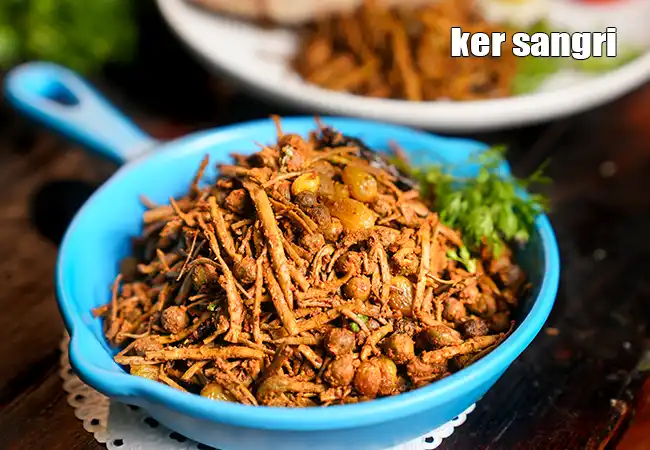
Ker Sangri Sabzi is one of the most iconic dry dishes of Rajasthan.
It combines dried ker berries and sangri beans cooked with traditional spices.
The sabzi has a slightly tangy, earthy flavor with a chewy texture. It is typically prepared without much water, making it rich and concentrated.
This dish is often served during weddings and special occasions.
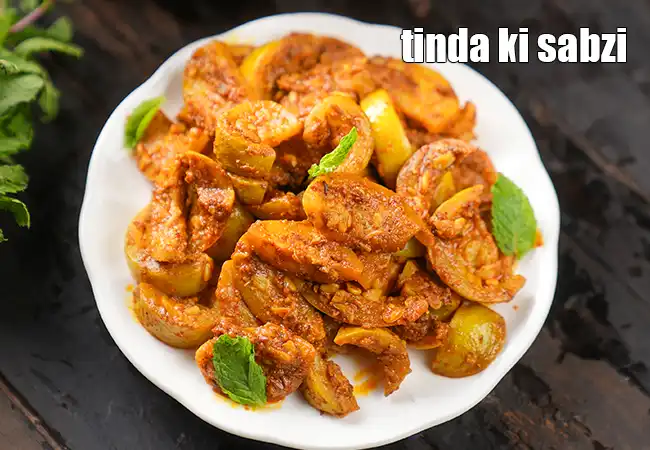
Tinda Ki Sabzi is a simple yet flavorful dry preparation made with round gourds.
The vegetable absorbs spices beautifully when cooked slowly. It has a mildly sweet taste balanced by Rajasthani masalas.
This sabzi is light on the stomach and ideal for everyday meals. It pairs well with soft rotis or dal-chawal.
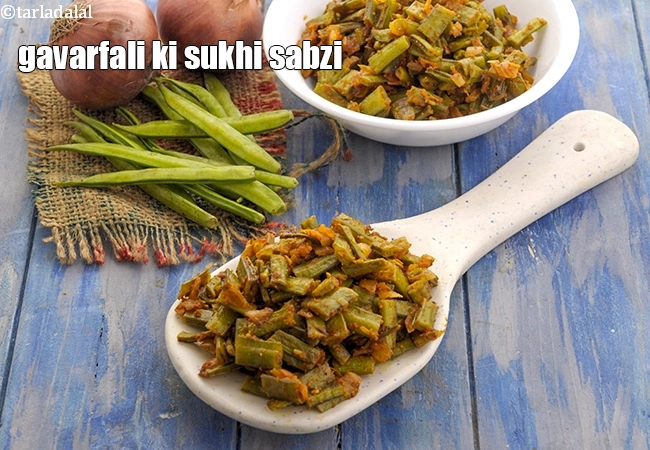
Gavarfali Ki Sukhi Sabzi uses cluster beans cooked until tender with spices.
The beans have a slightly bitter note that complements the bold seasoning.
This dish is nutritious and high in fiber. It is commonly prepared as a weekday sabzi.
The dry texture enhances its shelf life.
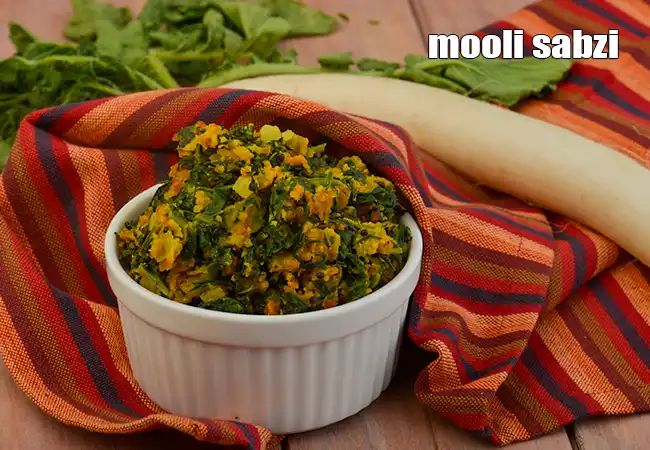
Mooli Ki Sabzi is prepared using radish and sometimes its greens.
The cooking process mellows the sharpness of radish. It results in a mildly spicy and earthy dish.
This sabzi is often cooked dry with minimal ingredients. It is a wholesome winter preparation.
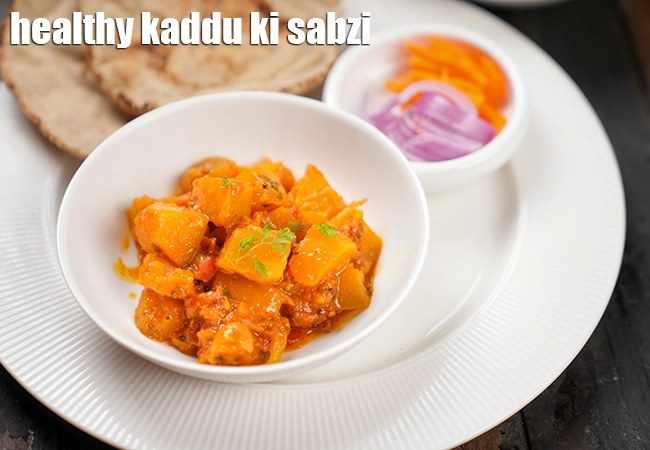
Kaddu Ki Sabzi highlights pumpkin’s natural sweetness.
Spices add warmth and depth. It is light yet filling.
Common in everyday meals. Best served with roti.
Gatte-Based Rajasthani Sabzi
Gatte-based sabzis are a hallmark of Rajasthani cuisine. Made from gram flour dumplings, these dishes do not depend on fresh vegetables.
Gatte absorb spices beautifully, making the sabzi rich and satisfying. These sabzis are practical, economical, and highly flavorful.
They are popular for both daily meals and celebrations. Gatte dishes showcase Rajasthan’s ingenious cooking methods.
Their versatility makes them widely loved.
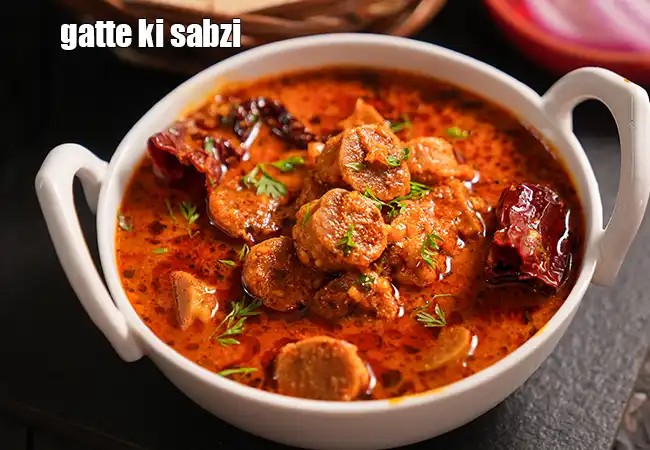
Gatte Ki Sabzi is the most famous Rajasthani preparation.
Soft besan dumplings are cooked in a spicy gravy or semi-dry base.
The texture is tender and slightly chewy.
This dish is rich, comforting, and filling. It is traditionally served with roti or steamed rice.
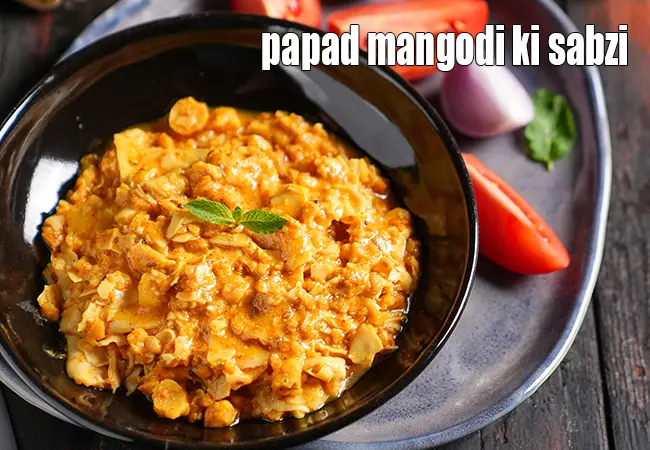
Papad Mangodi Ki Sabzi uses dried besan wadis cooked in spices.
The mangodis soften while absorbing the masala flavors.
This sabzi has a distinctive taste and aroma. It is often prepared without onion and garlic.
The dish is hearty and long-lasting.
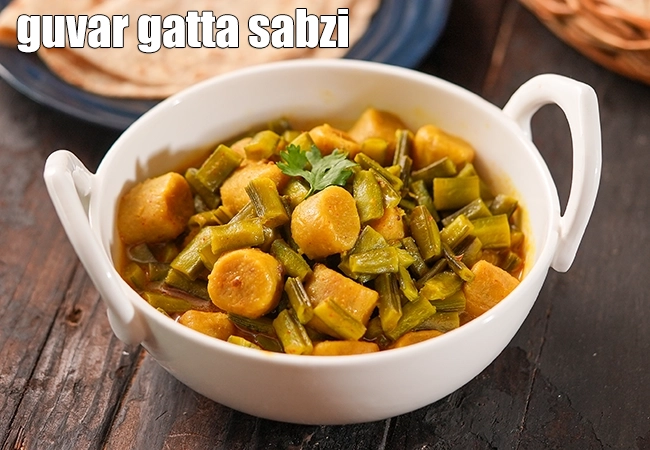
Guvar Gatta Sabzi blends cluster beans with besan gatte.
The combination adds contrast in texture and taste. The dish is mildly spicy and earthy.
It is commonly cooked dry or semi-dry. This sabzi is ideal for traditional meals.
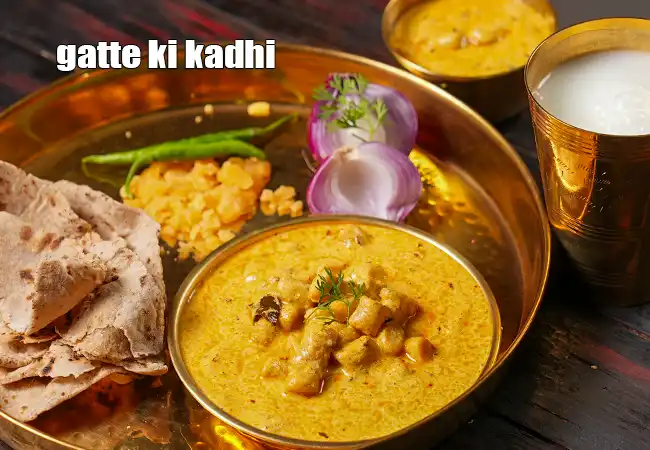
Gatte Ki Kadhi is a traditional Rajasthani dish made with soft gram flour dumplings cooked in a tangy yogurt-based curry.
The kadhi has a creamy texture with a perfect balance of spices and sourness. Gatte absorb the flavors beautifully, making the dish rich and satisfying.
It is commonly served with steamed rice or roti. This dish is especially popular during festive and family meals.
Yogurt-Based (Dahiwali) Rajasthani Sabzi
Yogurt-based sabzis add a tangy richness to Rajasthani cuisine.
These dishes balance heat and sourness beautifully. Curd acts as both a thickener and flavor enhancer.
Such sabzis are lighter than heavy gravies. They are often prepared for lunch meals. The result is creamy yet comforting dishes.
They pair well with plain rotis or rice.
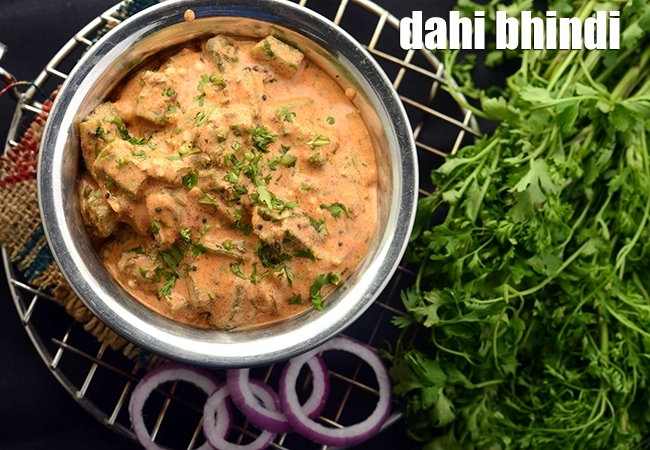
Dahi Bhindi combines okra with spiced yogurt.
The curd reduces sliminess and adds tang. The sabzi has a smooth, mildly spicy flavor.
It is light and nutritious. This dish is suitable for regular meals.
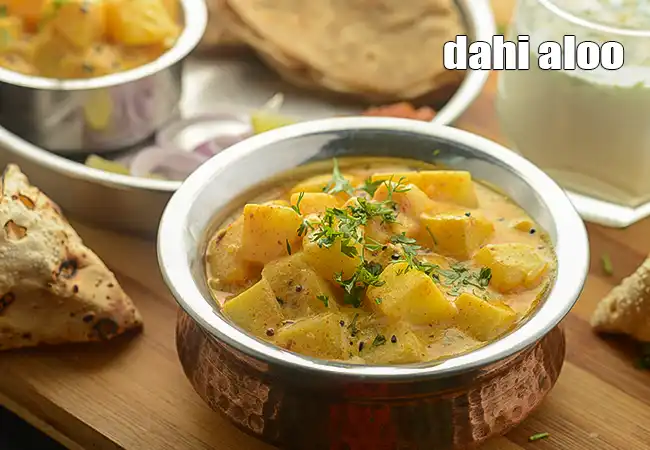
Dahi Aloo is a simple potato sabzi cooked in curd.
The potatoes absorb the tangy gravy well. It has a comforting and balanced taste.
This dish is quick to prepare. It is often served during fasting days.
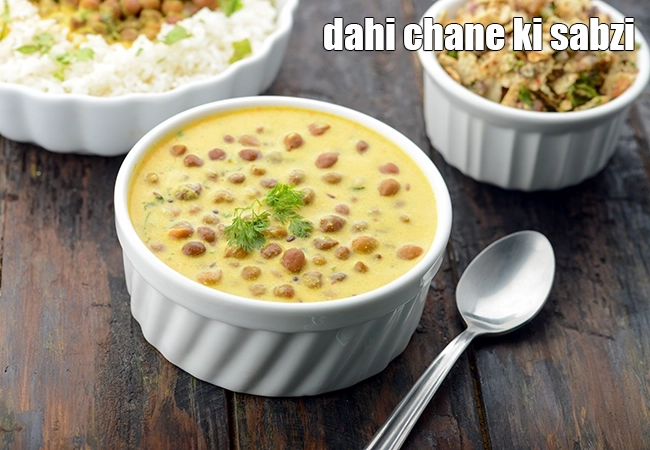
Dahi Chane Ki Sabzi uses black chickpeas cooked in yogurt.
The dish is protein-rich and filling. It has a mildly sour and spicy flavor.
This sabzi is wholesome and satisfying. It pairs well with rotis.
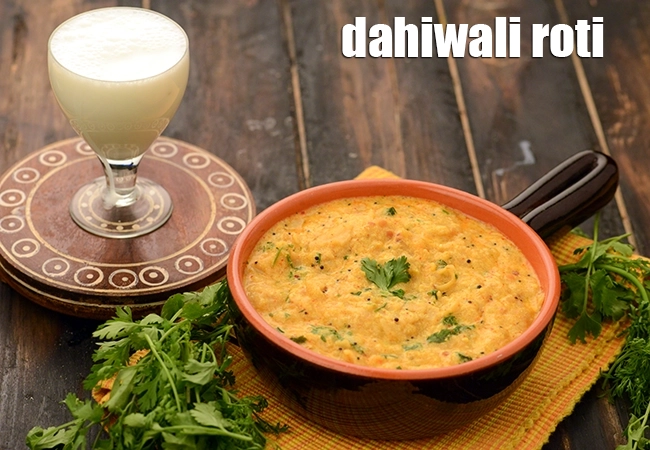
Dahiwali Roti is a simple and comforting Indian preparation made by soaking soft rotis in lightly spiced yogurt.
It has a mild, refreshing taste that makes it easy to digest.
This dish is often enjoyed as a light meal or breakfast. It is especially suitable for hot weather and fasting days.
Dahiwali Roti is commonly served fresh with minimal seasoning.
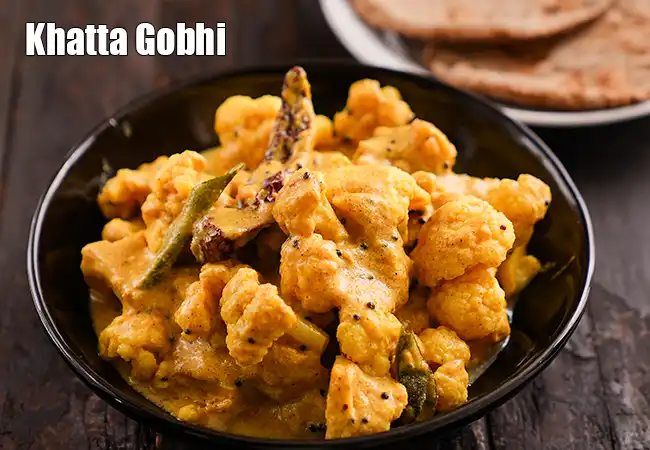
Khatta Gobhi is a traditional Rajasthani dish made with cabbage cooked in a tangy and mildly spicy gravy. The sour taste is usually achieved using curd or dry mango powder, which balances the spices well. This dish has a light yet flavorful profile, making it suitable for everyday meals. It is easy to prepare and requires simple ingredients. Khatta Gobhi tastes best when served with roti or steamed rice.
Jain Rajasthani sabzi recipes
Onion-garlic free sabzis are deeply rooted in Rajasthani traditions. These dishes follow satvik cooking principles.
They rely entirely on spices for flavor. Such sabzis are suitable for Jain and fasting meals. Despite simplicity, they are rich in taste.
These preparations highlight pure ingredients. They remain popular across generations.
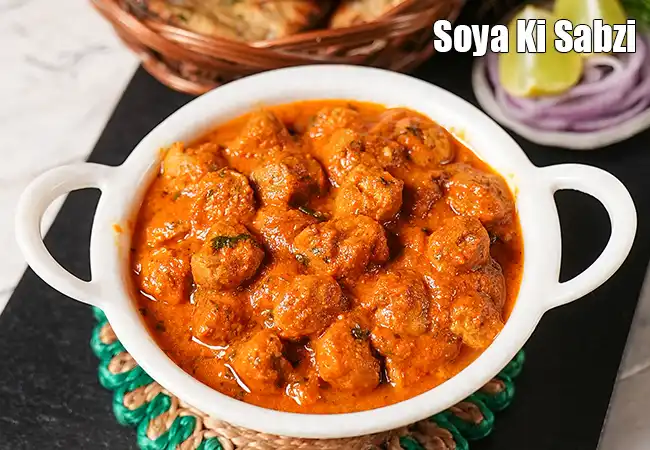
Soya chunks are cooked with spices to create a protein-rich dish.
The sabzi is filling and robust. It absorbs masala flavors well.
Suitable for vegetarian diets. Often served with roti.
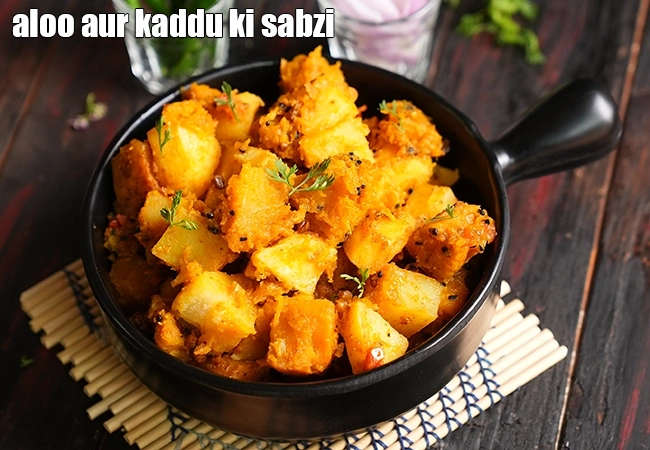
Aloo Aur Kaddu Ki Sabzi is a comforting Indian dish made with potatoes and pumpkin cooked in mild spices.
The natural sweetness of pumpkin balances the earthy taste of potatoes.
This sabzi has a soft texture and a homely flavor. It is light yet filling and easy to digest.
Best enjoyed with roti or simple rice meals.
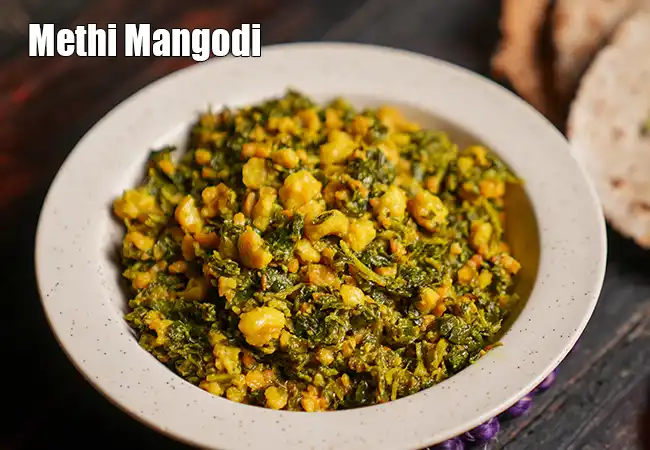
Methi Mangodi is a traditional Rajasthani dish made with dried gram flour dumplings cooked with fresh fenugreek leaves.
The slight bitterness of methi balances beautifully with the rich spices.
Mangodi absorb the flavors during cooking, making the dish aromatic and satisfying.
It is usually prepared as a dry or semi-dry sabzi. This dish pairs well with roti or bajra roti.
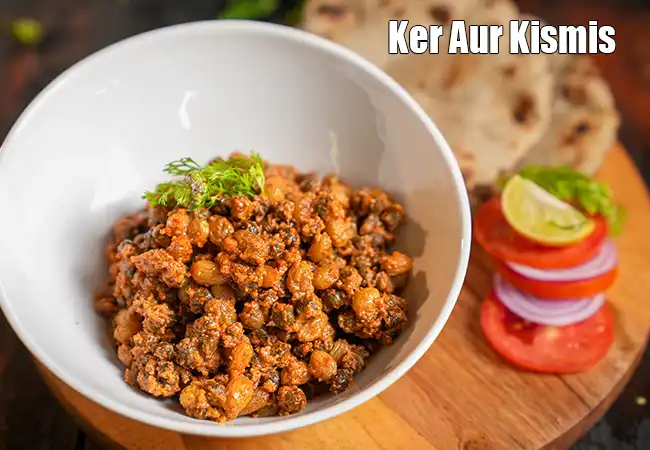
Ker Aur Kismis is a traditional Rajasthani preparation that combines the tangy flavor of ker berries with the natural sweetness of raisins. This dish offers a unique balance of sour, sweet, and spicy notes. It is usually prepared as a dry or semi-dry sabzi with aromatic spices. The contrasting textures make it interesting and flavorful. It is often served with roti or as part of a festive meal.
Healthy Rajasthani sabzi for weight loss
Weight loss focuses on light, nourishing preparations made with seasonal vegetables, minimal oil, and traditional spices. These dishes often avoid deep frying and rely on slow cooking to enhance natural flavors. Ingredients like gourds, cluster beans, pumpkin, and curd-based gravies provide fiber and essential nutrients. The use of simple masalas supports digestion and metabolism. Such sabzis are filling yet low in calories, making them ideal for a balanced weight-loss diet.
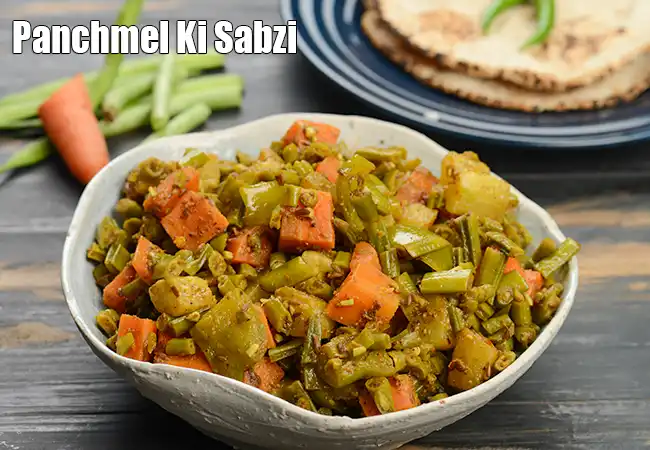
Panchmel Ki Sabzi combines five vegetables in one dish.
It reflects balance and variety in Rajasthani cooking.
Each vegetable contributes a unique texture. The spices bind the flavors together harmoniously.
This sabzi is nutritious and visually appealing.
FAQs
1. What makes Rajasthani sabzi different from other Indian sabzis?
Rajasthani sabzi is unique due to its dry or semi-dry cooking style, minimal use of water, and bold spices. The cuisine evolved to suit Rajasthan’s arid climate, relying on ingredients like besan, curd, and dried beans. These sabzis are rich in flavor and have a longer shelf life. Many dishes are cooked slowly to enhance taste. This makes Rajasthani sabzi both practical and deeply satisfying.
2. Are Rajasthani sabzis usually spicy?
Yes, most Rajasthani sabzis are moderately to highly spicy, but the heat is well balanced with yogurt, ghee, or spices like coriander and cumin. The spice level can be easily adjusted according to preference. Traditional recipes focus more on flavor depth than just heat. Some dishes are mildly spiced for everyday meals. Overall, spice is a defining but flexible element.
3. Why is besan commonly used in Rajasthani sabzi?
Besan (gram flour) is widely used because it is nutritious, shelf-stable, and versatile. It replaces fresh vegetables when they are scarce. Besan is used to make gatte and thick gravies. It adds protein and a hearty texture to dishes. This makes it an essential ingredient in Rajasthani cooking.
4. Are there onion-garlic free Rajasthani sabzis?
Yes, many traditional Rajasthani sabzis are prepared without onion and garlic. These satvik recipes are suitable for Jain households and fasting days. Flavor is achieved through spices, curd, and cooking techniques. Despite the simplicity, the dishes remain aromatic and rich. This tradition is still widely followed.
5. Which vegetables are commonly used in Rajasthani sabzi?
Common vegetables include cluster beans (gavar), pumpkin, tinda, radish, potatoes, and green garlic. Seasonal and locally available produce is preferred. Dried vegetables and legumes are also frequently used. This approach ensures year-round cooking flexibility. It reflects the regional lifestyle.
6. Is Rajasthani sabzi healthy?
Yes, Rajasthani sabzi can be quite healthy when prepared traditionally. Many dishes are high in protein and fiber due to besan and legumes. The limited use of water helps retain nutrients. Yogurt-based sabzis support digestion. Balanced portions make them suitable for regular meals.
7. What is the best bread to serve with Rajasthani sabzi?
Rajasthani sabzis are best paired with bajra roti, jowar roti, missi roti, or plain chapati. These breads complement the bold flavors well. Bajra roti is especially popular in traditional meals. Steamed rice is also served with kadhi-based dishes. The combination creates a complete meal.
Conclusion
Rajasthani Sabzi reflects the true essence of Rajasthan’s culinary heritage, shaped by tradition, climate, and resourceful cooking methods. With its emphasis on dry and semi-dry preparations, bold spice blends, and minimal use of water, this cuisine turns simple ingredients into deeply flavorful dishes. The extensive use of besan, curd, seasonal vegetables, and dried legumes highlights both practicality and nutrition. From gatte-based sabzis to yogurt-based and onion-garlic free preparations, Rajasthani sabzi offers variety for everyday meals as well as festive occasions. Overall, it represents a perfect balance of taste, nourishment, and tradition, making it a timeless and cherished part of Indian vegetarian cuisine.

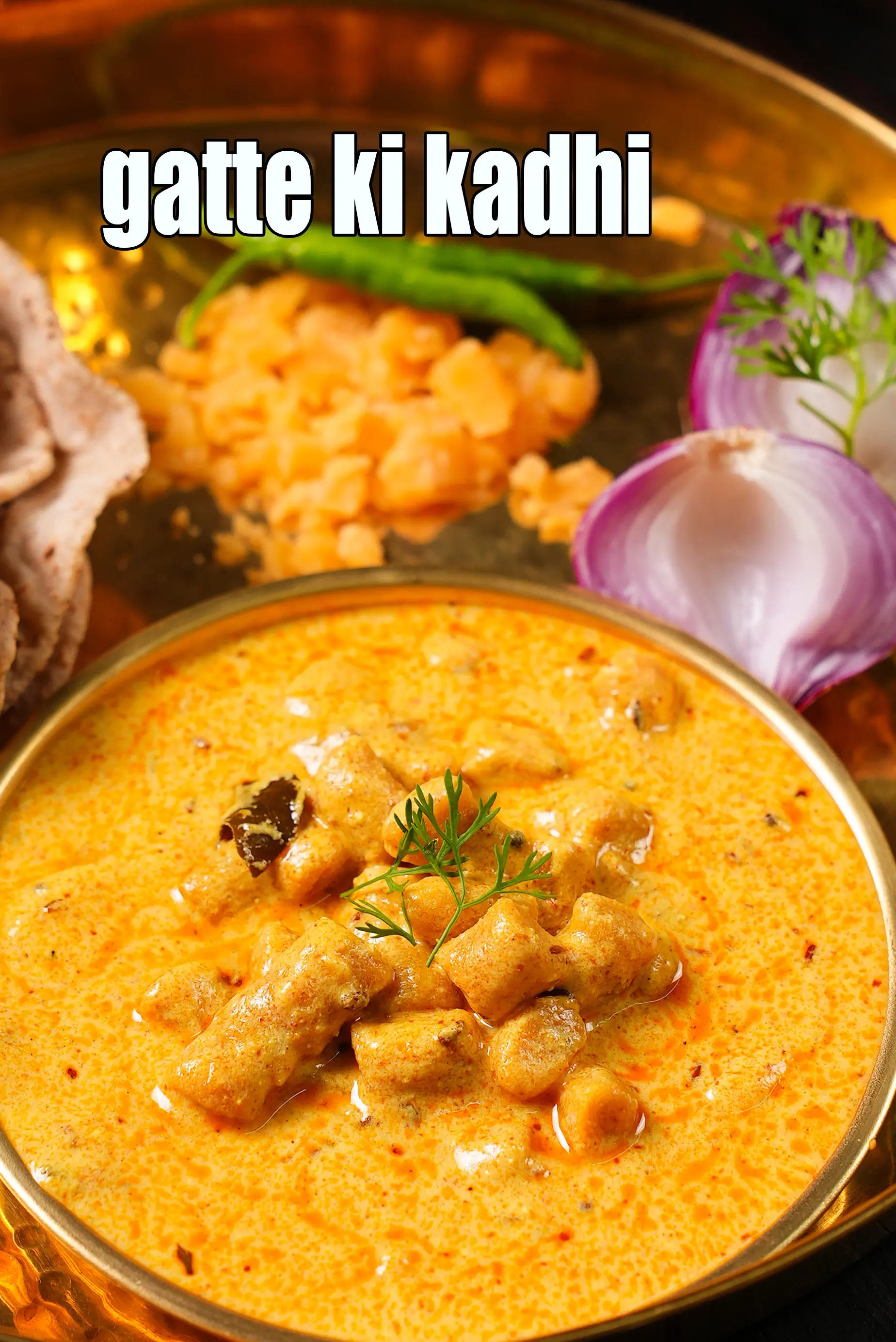
gatte ki kadhi recipe | Marwadi gatte ki sabji | besan ki gatta kadhi | with 50 amazing … More..
Recipe# 127
16 March, 2024
calories per serving
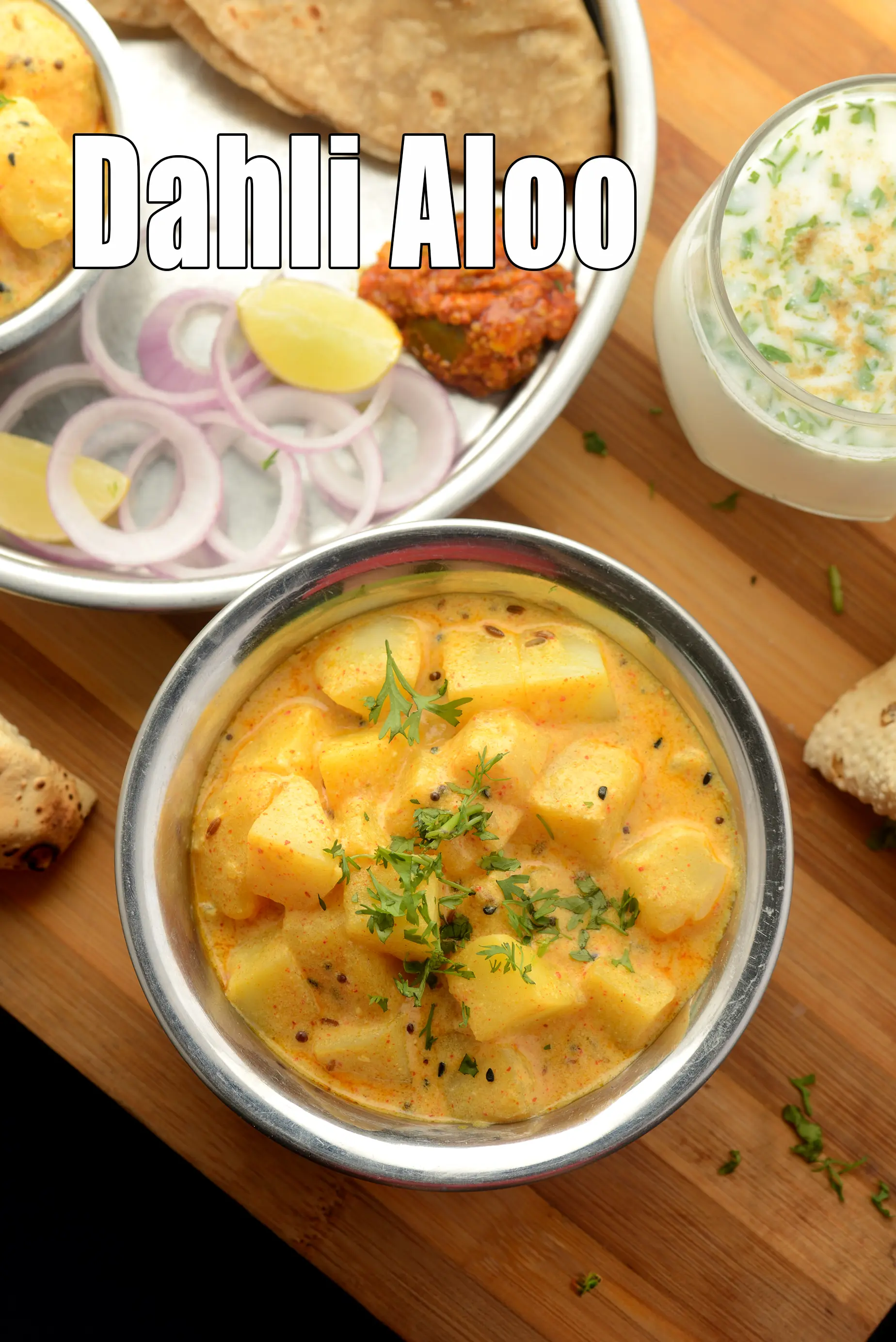
dahi aloo recipe | dahi wale aloo ki sabzi | Rajasthani dahi wale aloo | potatoes in yogurt … More..
Recipe# 3327
30 January, 2020
calories per serving
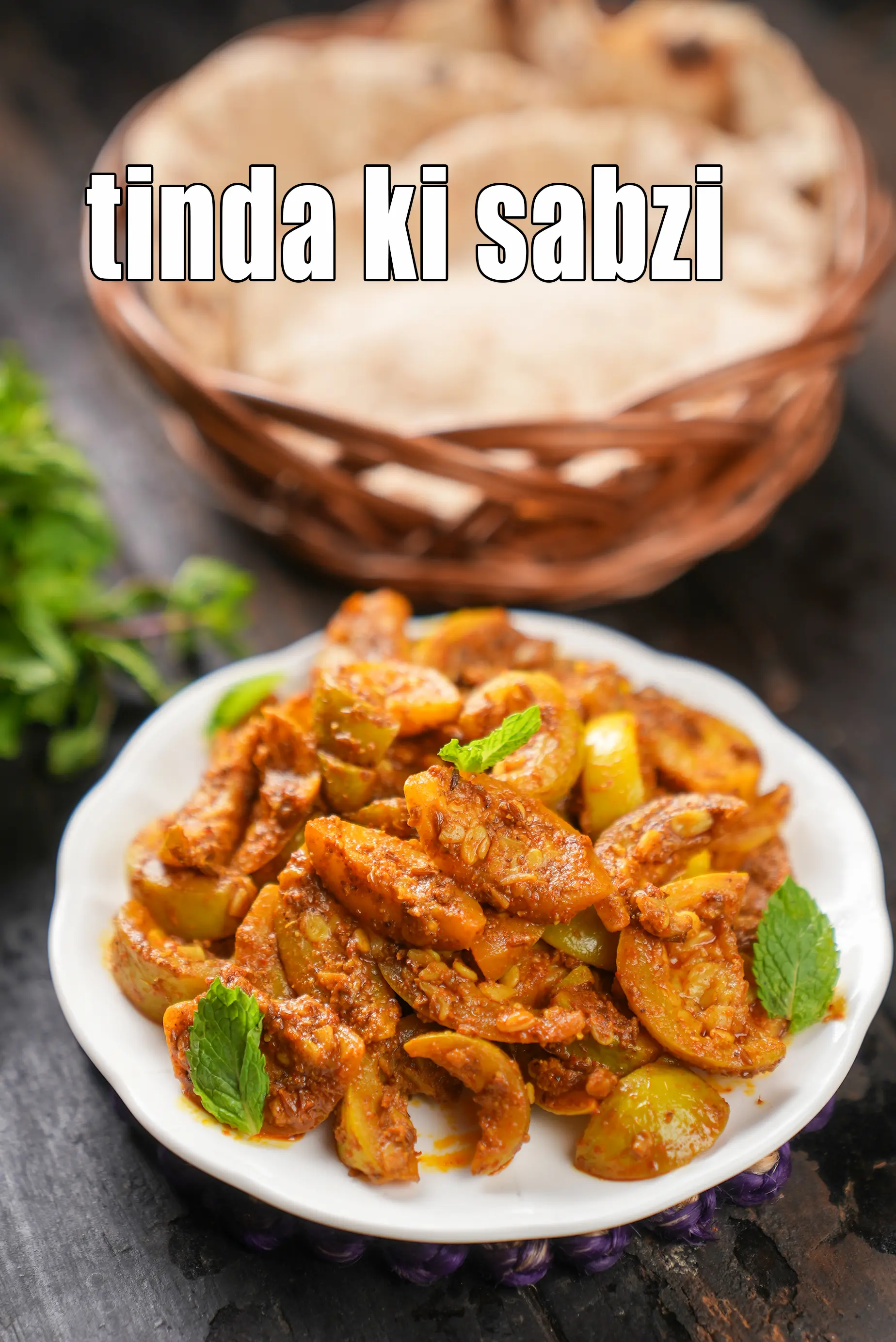
tinda ki sabzi recipe | Rajasthani tinda sabzi | sukhka tinda sabji | masala round gourd sabzi | … More..
Recipe# 3348
02 June, 2023
calories per serving
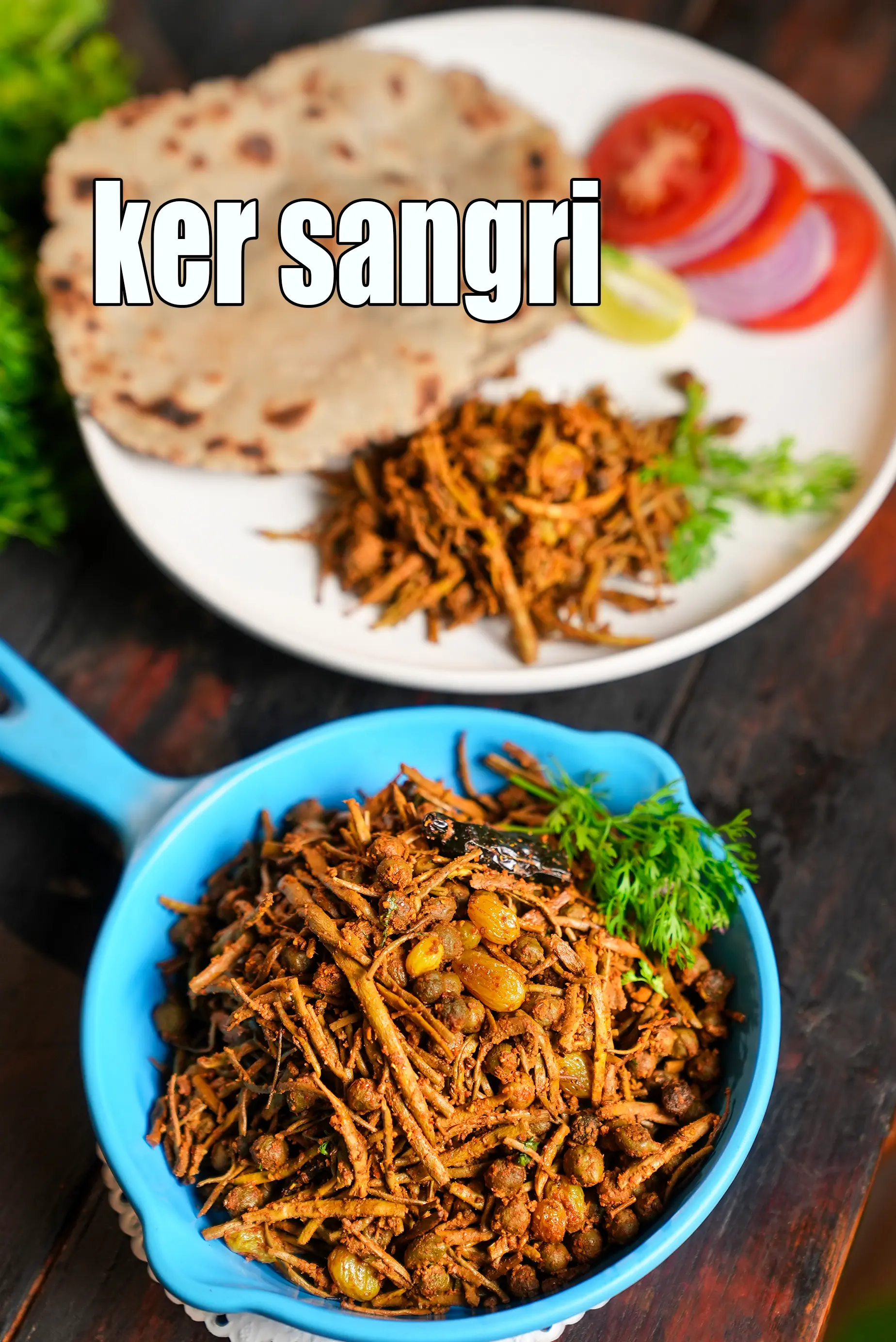
ker sangri recipe | Rajasthani ker sangri sabzi | traditional ker sangri | with 40 amazing images.ker sangri … More..
Recipe# 132
12 April, 2023
calories per serving
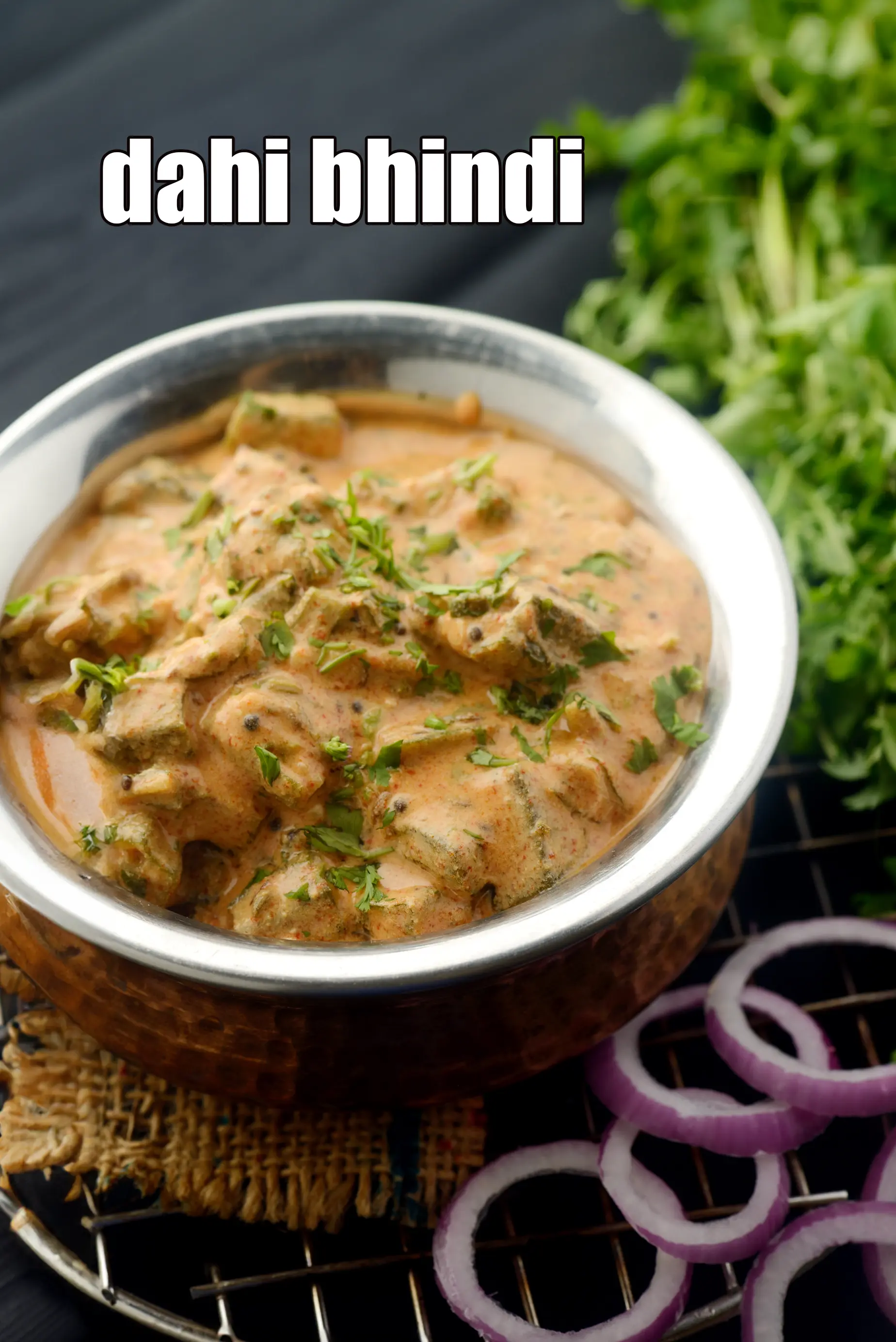
dahi bhindi recipe | healthy dahi bhindi recipe | Rajasthani dahi bhindi | okra with yogurt | with … More..
Recipe# 3292
01 January, 2020
calories per serving
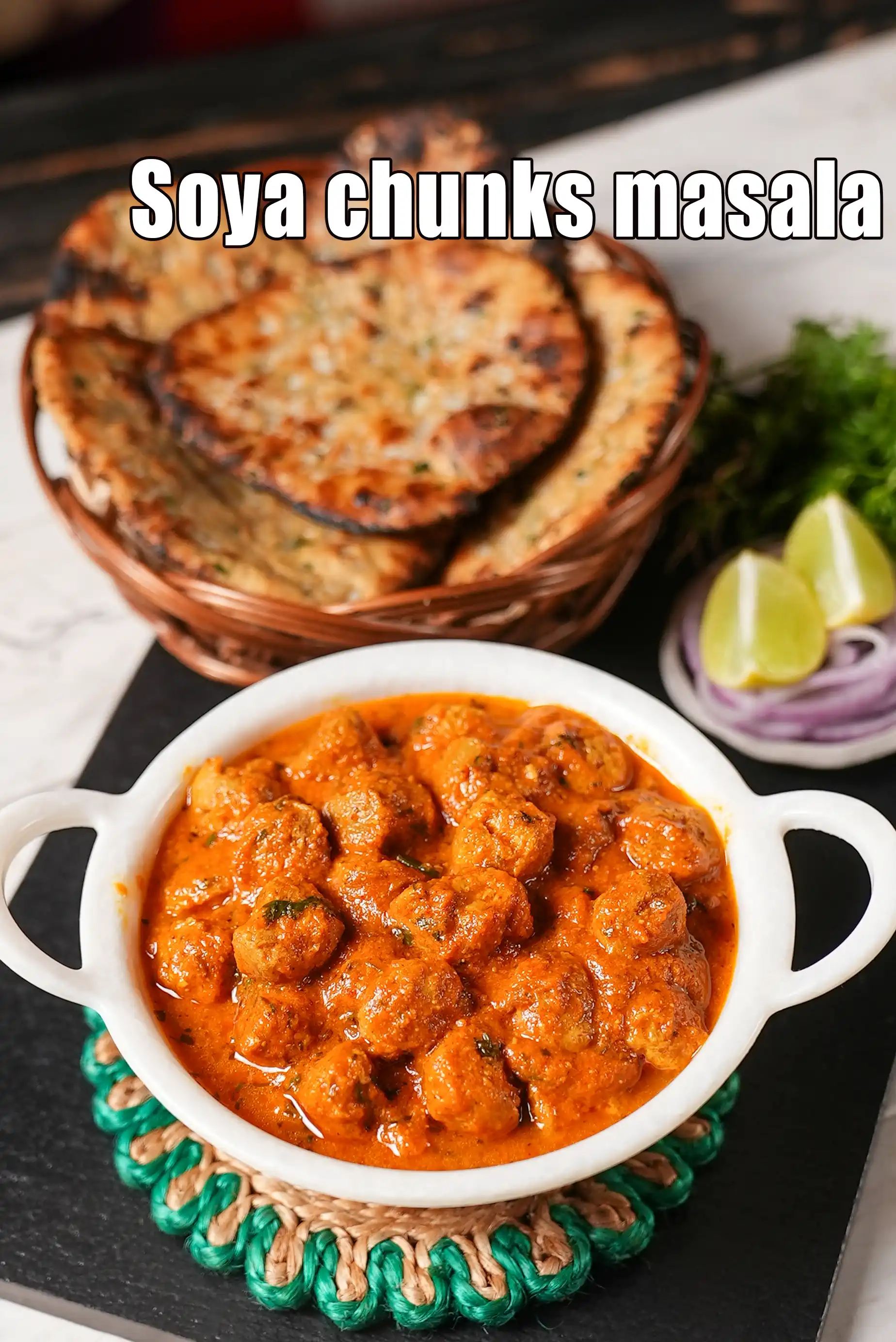
Soya chunks masala recipe | soya ki sabzi | soya chunks curry | with 34 amazing images.soya ki … More..
Recipe# 3076
30 March, 2023
calories per serving
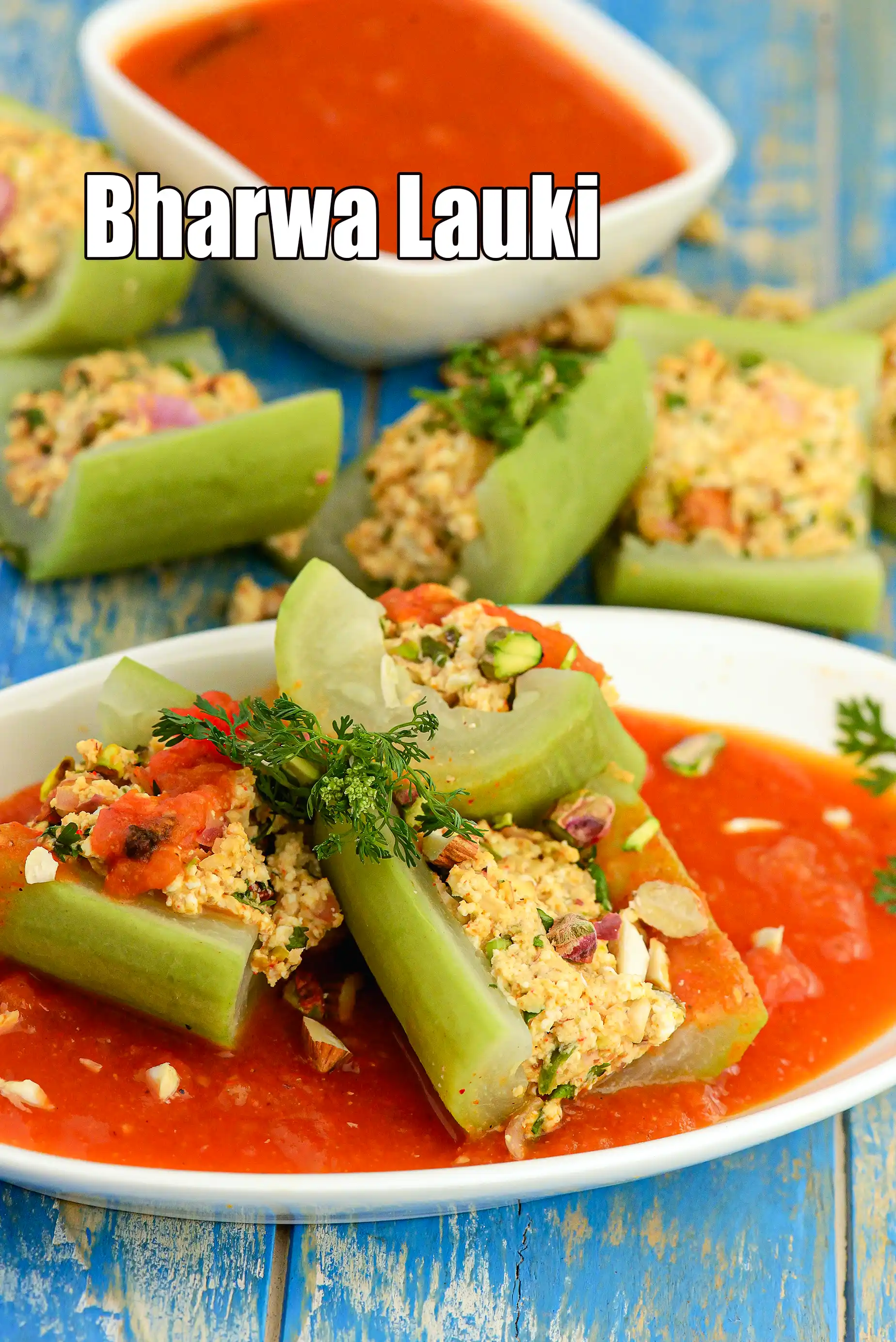
Bharwa Lauki recipe | Rajasthani Stuffed Bottle Gourd | Bharwa Ghiya | Bharwa Lauki, or stuffed bottle gourd, is … More..
Recipe# 3344
19 November, 2014
calories per serving
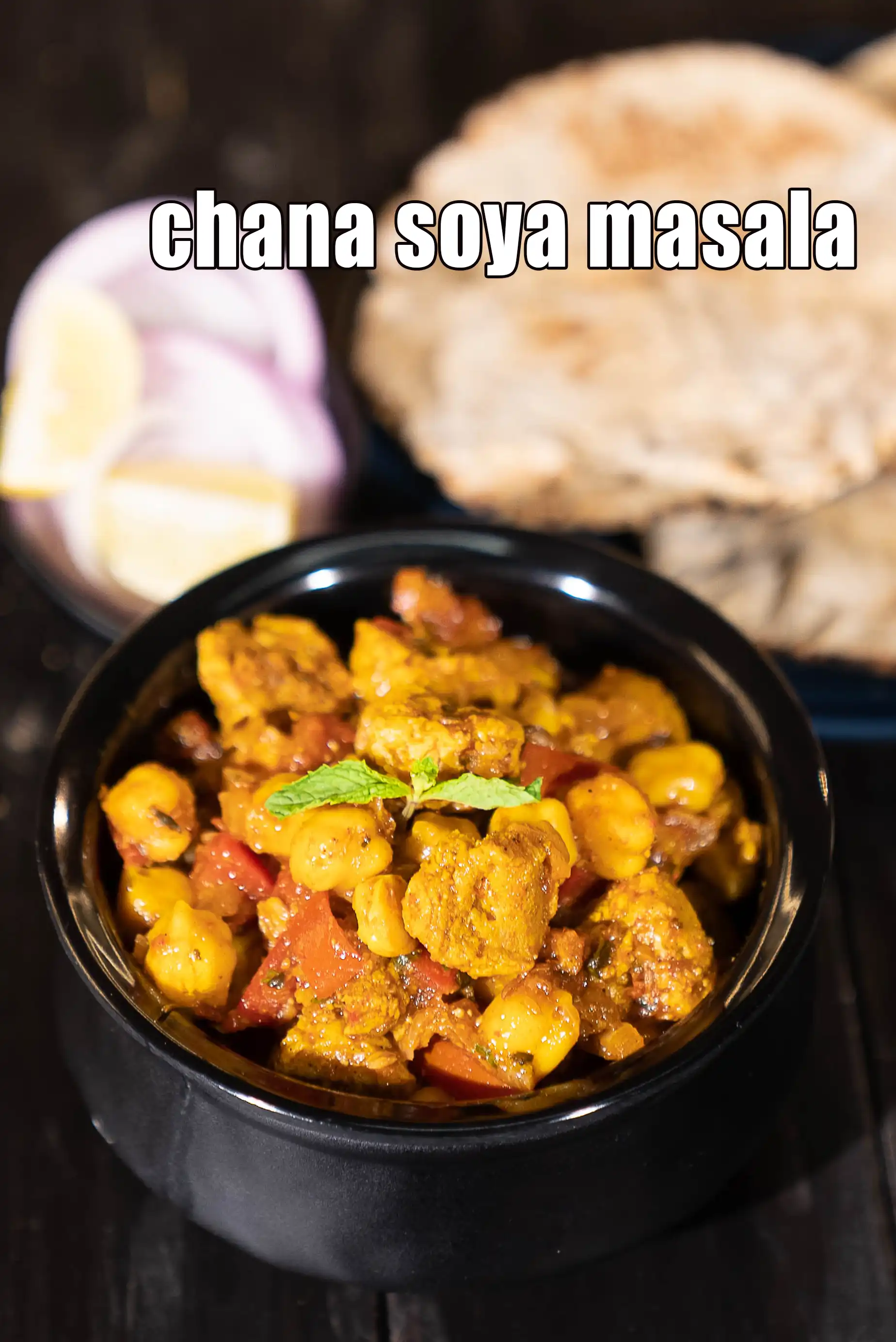
chana soya masala recipe | white chick pea soya sabzi | healthy soya chana sabji | with 20 … More..
Recipe# 3943
21 April, 2023
calories per serving
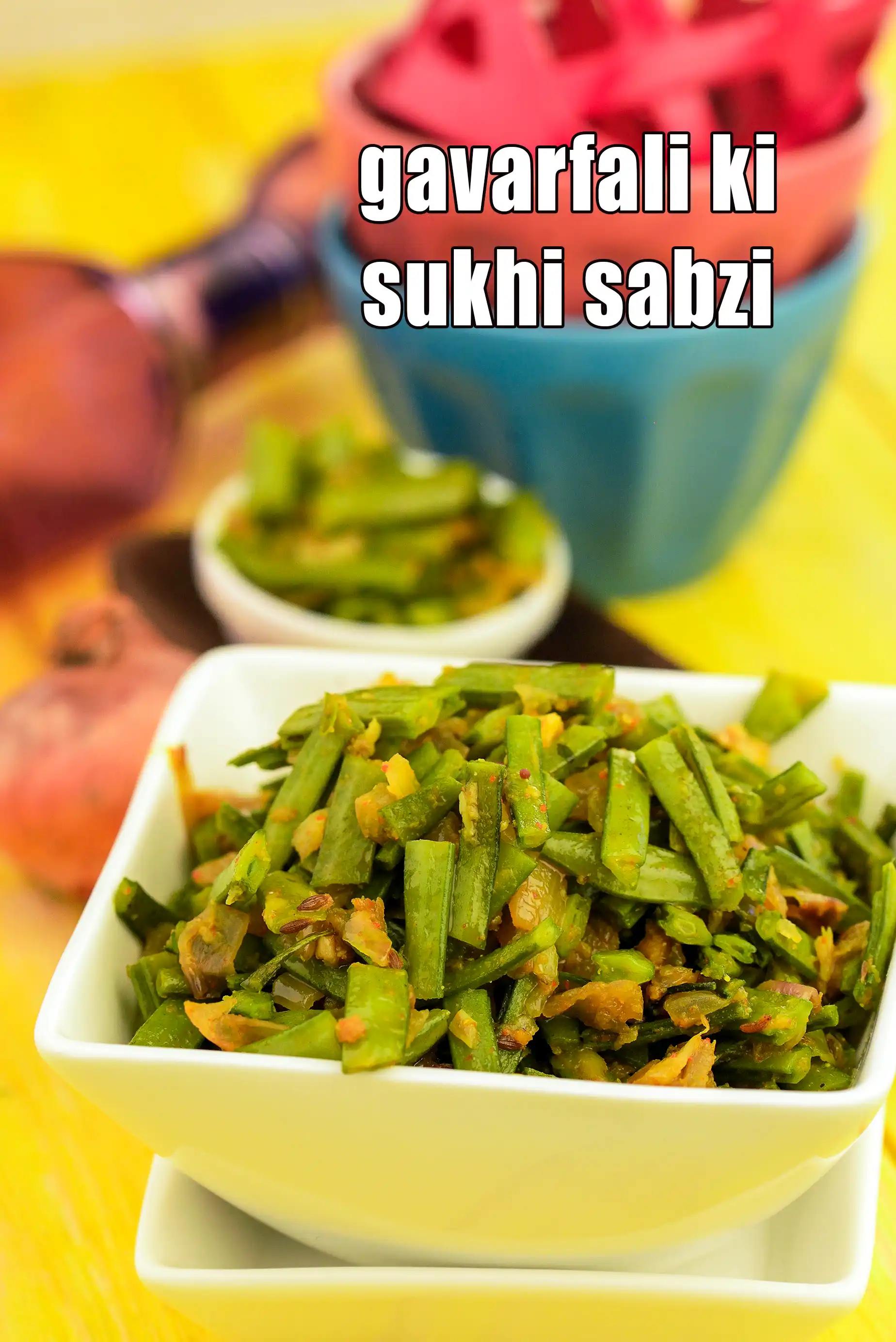
Is it the magic of our Indian everyday spices, or the methods of preparation, that make the Gavarfali … More..
Recipe# 3346
16 April, 2023
calories per serving
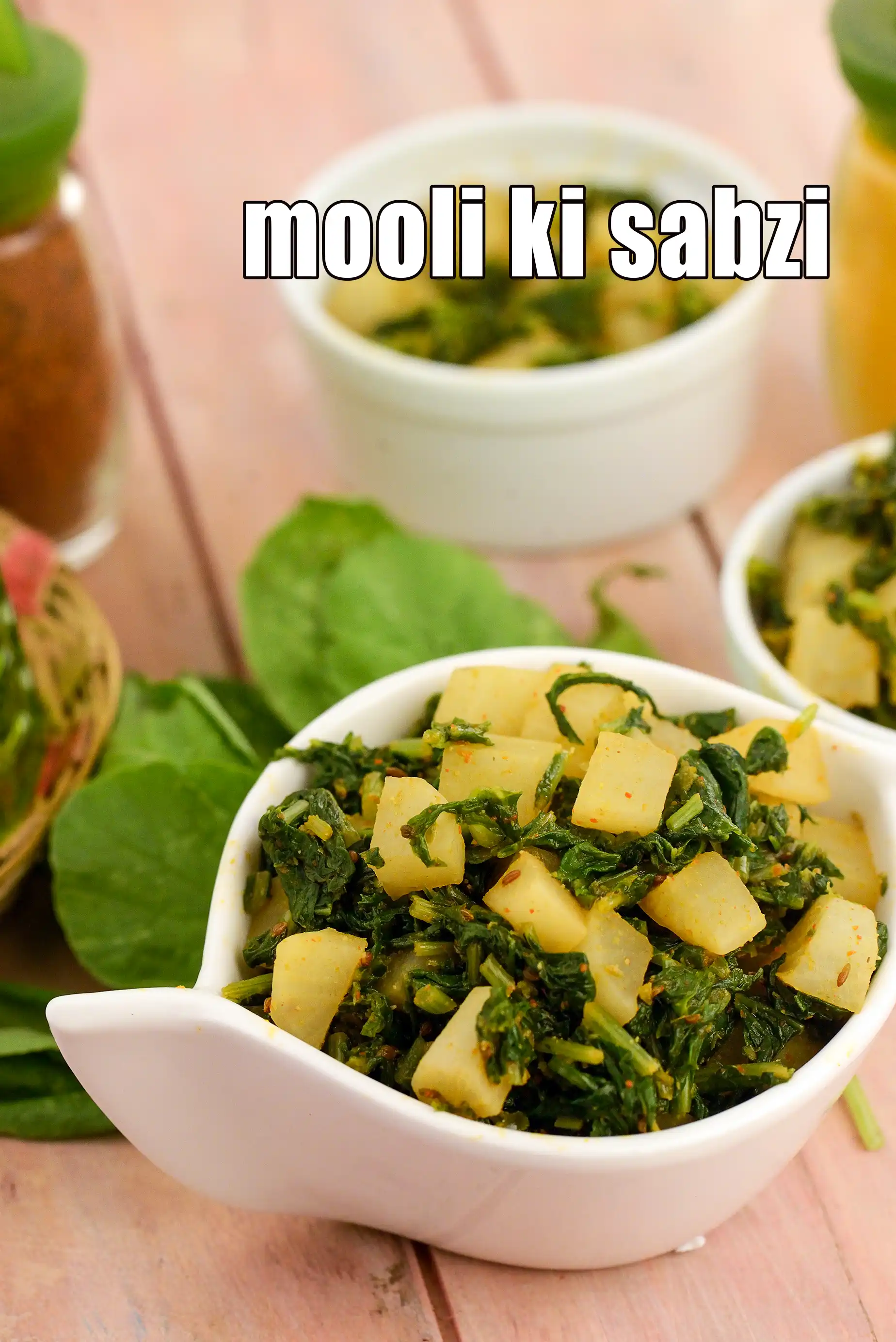
Winters herald the coming of veggies in dessert-enveloped Rajasthan, and with it come delicacies such as the Mooli … More..
Recipe# 3349
31 May, 2024
calories per serving
calories per serving
gatte ki kadhi recipe | Marwadi gatte ki sabji | besan ki gatta kadhi | with 50 amazing … More..
calories per serving
dahi aloo recipe | dahi wale aloo ki sabzi | Rajasthani dahi wale aloo | potatoes in yogurt … More..
calories per serving
tinda ki sabzi recipe | Rajasthani tinda sabzi | sukhka tinda sabji | masala round gourd sabzi | … More..
calories per serving
ker sangri recipe | Rajasthani ker sangri sabzi | traditional ker sangri | with 40 amazing images.ker sangri … More..
calories per serving
dahi bhindi recipe | healthy dahi bhindi recipe | Rajasthani dahi bhindi | okra with yogurt | with … More..
calories per serving
Soya chunks masala recipe | soya ki sabzi | soya chunks curry | with 34 amazing images.soya ki … More..
calories per serving
Bharwa Lauki recipe | Rajasthani Stuffed Bottle Gourd | Bharwa Ghiya | Bharwa Lauki, or stuffed bottle gourd, is … More..
calories per serving
chana soya masala recipe | white chick pea soya sabzi | healthy soya chana sabji | with 20 … More..
calories per serving
Is it the magic of our Indian everyday spices, or the methods of preparation, that make the Gavarfali … More..
calories per serving
Winters herald the coming of veggies in dessert-enveloped Rajasthan, and with it come delicacies such as the Mooli … More..


Related Recipes
Follow US
Recipe Categories
- Vitamin B12 Cobalamin Rich 35 recipes
- Low Calorie, Weight Loss Indian 423 recipes
- Low Cholesterol Indian 314 recipes
- Healthy Indian Breakfast 374 recipes
- Indian Diabetic 564 recipes
- Indian Pregnancy 461 recipes
- Zero Oil Indian 133 recipes
- Iron Rich Indian 268 recipes
- Healthy Indian Acidity recipes 137 recipes
- Healthy Sabzis 108 recipes
- Indian Healthy Veg Snack 276 recipes
- Healthy Heart Recipes 421 recipes
- Healthy Veg Indian Soups 74 recipes
- Calcium Rich Indian 373 recipes
- High Blood Pressure Indian Recipes 104 recipes
- Healthy Indian Salads Recipes 137 recipes
- Low Carb Indian Diet, recipes 163 recipes
- Hypothyroidism Diet 63 recipes
- Arthritis Diet 68 recipes
- High Protein Indian recipes 95 recipes
- Vitamin K Diet 42 recipes
- Fatty Liver Diet 39 recipes
- PCOS 136 recipes
- Gluten Free Veg Indian 197 recipes
- High Fiber 329 recipes
- Indian Cancer Patients 275 recipes
- Jaundice Diet 45 recipes
- Sprouts 61 recipes
- Typhoid 43 recipes
- Irritable Bowel Syndrome (IBS) 23 recipes
- Kidney Stone Diet 10 recipes
- Home Remedies 213 recipes
- Senior Citizen 195 recipes
- Healthy Indian Drinks and Juices 214 recipes
- Diet for Dialysis 10 recipes
- Gout Indian Recipes 17 recipes
- Potassium Rich 80 recipes
- Vegan 195 recipes
- Indian recipes to treat Vomiting 8 recipes
- Forever Young Diet, Anti Aging Indian Diet 255 recipes
- Antioxidant Rich Indian 445 recipes
- Vitamin B1 Rich Indian Foods, Recipes 101 recipes
- High in Omega 3 Fatty Acids 32 recipes
- Zinc Rich Foods 55 recipes
- Vitamin A Rich, Beta Carotene, Retinol 89 recipes
- Malaria Diet 19 recipes
- Magnesium Rich 94 recipes
- Vitamin C Rich Indian recipes 118 recipes
- Healthy Indian Dinner 85 recipes
- Low Veg Glycemic Index 86 recipes
- Lower Blood Pressure Salads 8 recipes
- Healthy Indian Lunch Recipes 29 recipes
- Lactation 25 recipes
- Vitamin E Rich 51 recipes
- Hyperthyroidism Diet 47 recipes
- Vitamin B3, Niacin Rich 41 recipes
- Post Surgery Diet 42 recipes
- Selenium 27 recipes
- Phosphorus Rich Indian Recipes, Foods 74 recipes
- Lower Blood Pressure Desserts Sweets 14 recipes
- Copper 15 recipes
- Foods Rich in Vitamin B2 Riboflavin 22 recipes
- Vitamin B6 Diet 36 recipes
- B Vitamins 231 recipes
- Vitamin B9 Rich Folate 50 recipes
- Marathoners, Endurance Athletes, Triathlete 225 recipes
- Manganese Diet 32 recipes
- Thalassemia 18 recipes
- Detox Water, Fruit Infused Water 42 recipes
- Lactose Free Dairy Free 22 recipes
- Omega 6 Fatty Acids 32 recipes
- Phytonutrients 51 recipes
- Chronic Kidney Disease Indian recipes 12 recipes
- Selenium1 0 recipes
- Quick Snacks / Quick Starters 385 recipes
- Quick Breakfast Indian 131 recipes
- Quick & Easy Indian Sabzi 117 recipes
- Quick Rotis and Parathas 46 recipes
- Quick Indian Sweets 139 recipes
- Quick Stir-Fries 51 recipes
- Quick Vegetarian Indian Soups 72 recipes
- Quick Chutneys 67 recipes
- Quick Vegetarian Rice, khichdi Recipes 56 recipes
- Indian Snacks Under 10 Minutes (Quick Veg Recipes) 44 recipes
- Quick Indian Dips, Gravies & Sauces 105 recipes
- Quick Veg Indian Pizza 17 recipes
- Quick Veg Pasta 25 recipes
- Quick Pickles / Aachar 25 recipes
- Quick Dals / quick Kadhis 29 recipes
- Snacks under 5 minutes 33 recipes
- Quick Healthy Recipes 43 recipes
- Quick Pressure Cooker 46 recipes
- Quick Desserts 48 recipes
- Quick 3 Ingredients 63 recipes
- Quick Indian Desserts 21 recipes
- Quick 4 Ingredients 41 recipes
- Quick 5 Ingredients 42 recipes
- Kids Tiffin Box 319 recipes
- Recipes for Toddlers (1-3 Years) 32 recipes
- Sweet Recipes for Kids 456 recipes
- Recipes for Baby (10 to 12 Months) 17 recipes
- Quick Indian recipes for Kids 72 recipes
- Indian Breakfast Recipes for Kids 194 recipes
- Recipes for Weaning (8 to 9 months) 22 recipes
- Healthy Foods for Kids 196 recipes
- Snack Recipes for Kids 620 recipes
- Recipes Kids can make 36 recipes
- Kids After School 794 recipes
- Kids Jar Snacks 67 recipes
- Finger Foods for Babies, Toddlers and Kids 76 recipes
- Kids Weight Gain 43 recipes
- Kids Wraps and Rolls 23 recipes
- Kids Veg Pasta 27 recipes
- Kids Brain Boosting 68 recipes
- Protein rich food for kids 71 recipes
- Recipes for Weaning 15 recipes
- Kids Pizzas 30 recipes
- Babies, Toddler and Kids Iron Rich Foods 31 recipes
- High Fiber Foods for Kids 40 recipes
- Kids High Energy Indian Foods 103 recipes
- Kids Noodles 37 recipes
- Kids Calcium Rich Indian recipes 92 recipes
- Babies recipes, 6 to 18 months 34 recipes
- Kids Recipes for Increasing Immunity 10 recipes
- Kids Weight Loss 58 recipes
- Teething Recipes for Babies 10 recipes
- Cereals and Pulses for 8 to 9 months Baby 8 recipes
- Weaning foods at 7 months 12 recipes
- Indian Teen 315 recipes
- Starters / Snacks 2139 recipes
- Indian Breakfast 820 recipes
- Main Course Recipes 928 recipes
- Indian Salads 385 recipes
- Indian Desserts , Sweets 985 recipes
- Indian Soups 249 recipes
- Indian Drinks (Chai, Lassi & More) 484 recipes
- Indian Dinner 903 recipes
- Indian Dinner1 0 recipes
- Indian Lunch 829 recipes
- Side Dishes 449 recipes
- Indian Travel Food 433 recipes
- Indian Barbeque1 recipes 22 recipes
- Frozen Foods, Indian Freezer Recipes 67 recipes
- Whole Wheat Recipes 56 recipes
- Indian Comfort Foods 212 recipes
- Dinner Menus 56 recipes
- Easy Indian Veg 70 recipes
- Innovative Indian Recipes 27 recipes
- No Cook Indian 37 recipes
- Advanced Recipes 10 recipes
- Cakes with Eggs 13 recipes
- Microwave 229 recipes
- Oven 619 recipes
- Indian Steamer Recipes 102 recipes
- Kadai Veg 407 recipes
- Indian Barbeque Recipes 43 recipes
- Sizzler tray 15 recipes
- Mixer 566 recipes
- Pressure Cooker 315 recipes
- Tava 647 recipes
- Non-stick Pan 1393 recipes
- Indian Freezer recipes, meals 57 recipes
- Appe Mould 18 recipes
- Pan 223 recipes
- Non Stick Kadai Veg 203 recipes
- kadai Indian 150 recipes
- Refrigerator 176 recipes
- Waffle Indian recipes 6 recipes
- Handi 12 recipes
- Juicer and Hopper 65 recipes
- Grill 31 recipes
- Toaster 21 recipes
- Gas Toaster 8 recipes
- Healthy Indian steamed 73 recipes
- No Cooking Veg Indian 335 recipes
- Vegetarian baked Indian recipes 381 recipes
- Boiled Indian recipes 129 recipes
- Deep Fry 261 recipes
- Indian Tawa 265 recipes
- Shallow Fry Indian 25 recipes
- Microwave1 172 recipes
- Saute 273 recipes
- Indian Pressure Cooker 171 recipes
- Stir-fry 101 recipes
- Roasting 0 recipes