This category has been viewed 208589 times
Cuisine > Indian Veg Recipes > Bengali Vegetarian Recipes > Bengali Sweets
41 Bengali Sweets Recipes
 Tarla Dalal
• Updated : Jan 09, 2026
Tarla Dalal
• Updated : Jan 09, 2026
Bengali Sweets are an integral part of India’s rich dessert heritage, celebrated for their soft textures, delicate sweetness, and milk-based preparations. Rooted deeply in the culinary traditions of West Bengal, these sweets rely heavily on fresh chhena, slow-cooked milk, and natural sweeteners. Unlike heavily spiced Indian desserts, Bengali mithai focuses on subtle flavours and balanced sweetness, making them light yet indulgent.

Table of Content

Famous Bengali Sweet Recipes
Popular classics such as rosogolla, sandesh, and mishti doi have earned global recognition and are commonly prepared during festivals, weddings, and religious occasions. The cooking techniques emphasise precision, whether it is curdling milk perfectly or achieving the right sugar syrup consistency. Many traditional recipes follow age-old methods, preserving authenticity while remaining relevant today.
On platforms like Tarla Dalal’s official website, Bengali sweets are thoughtfully categorized, making it easy for home cooks to recreate authentic flavours. From chhena-based delights to fried syrup sweets and dry festive mithai, each variety represents Bengal’s love for refined desserts. These sweets are not just food but a cultural expression, symbolising hospitality, celebration, and culinary excellence.
Chhena Sweets
Chhena-based sweets are the backbone of Bengali confectionery. These sweets are prepared using freshly curdled milk, which is kneaded until smooth and soft. The texture of chhena determines the final quality of the sweet, making precision extremely important. These desserts are usually lightly sweetened and delicately flavoured. They are soft, fresh, and melt in the mouth. Most iconic Bengali sweets fall under this category.
Rasgulla is a classic Bengali sweet made from soft chhena balls cooked in light sugar syrup.
The chhena is kneaded until smooth and shaped carefully to ensure sponginess. When boiled in syrup, the balls expand and absorb sweetness evenly.
The result is a juicy, airy texture that feels light on the palate. Rasgullas are best served chilled for maximum freshness. This sweet is a symbol of Bengali dessert culture.
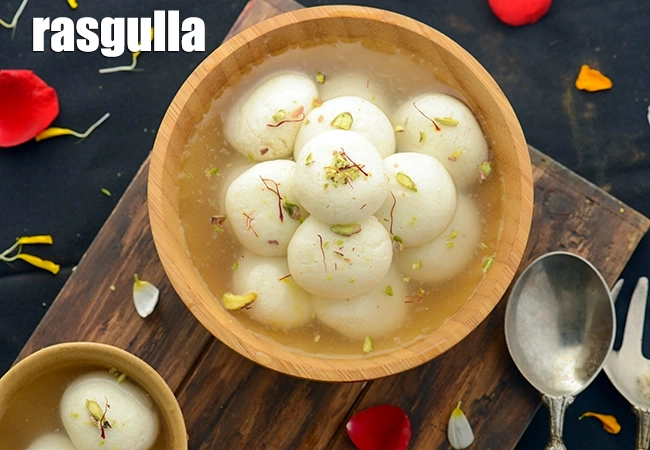
Sandesh is a semi-dry sweet made from gently cooked chhena and sugar. It has a smooth, grain-free texture with mild sweetness.
Sandesh is often flavoured with cardamom or saffron to enhance its aroma. It is shaped into simple discs or decorative moulds.
This sweet is light and easy to digest. Sandesh represents elegance and simplicity in Bengali sweets.
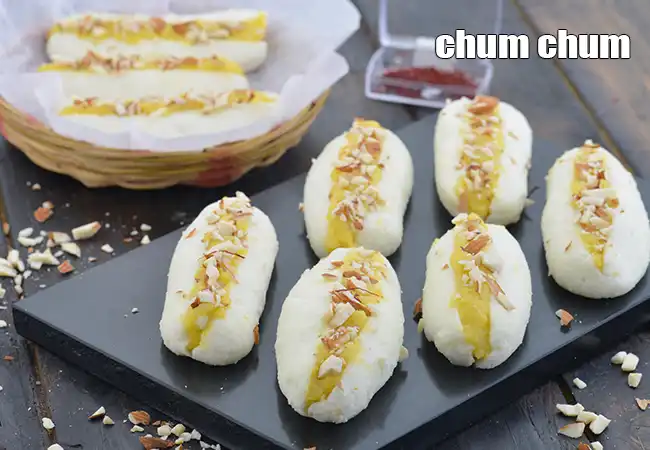
Chum Chum is a cylindrical chhena sweet cooked in sugar syrup. It has a firm outer surface and a soft, spongy interior.
The sweet absorbs syrup slowly, giving it a balanced taste. It is often garnished with grated coconut or khoya.
Chum Chum has a rich yet light mouthfeel. It is commonly prepared for special occasions.
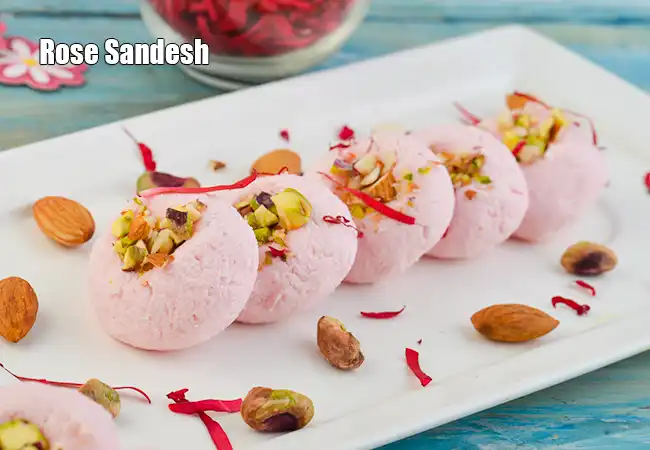
Rose Sandesh uses slightly firmer chhena for a structured texture. It is cooked slowly with sugar until smooth.
The sweetness is subtle and well balanced. Paneer Sandesh holds its shape well, making it suitable for gifting. It
has a clean, milky flavour. This sweet is popular for its simplicity and shelf stability.
Milk Sweets
Milk-based Bengali sweets are prepared by slow cooking and reduction. These desserts are rich, creamy, and comforting.
They rely heavily on good quality milk for flavour and texture. The sweetness is gentle and soothing. These sweets are often served chilled. They are common during festivals and family meals.
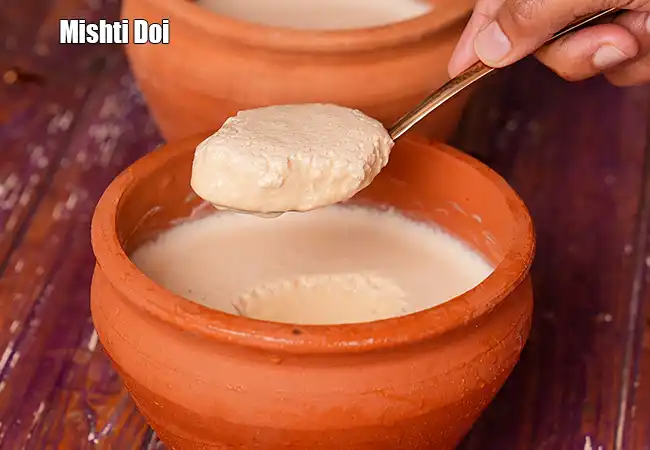
Mishti Doi is a traditional sweetened curd made from caramelised milk. The milk is slow cooked and naturally
fermented to achieve its signature taste. It has a creamy, smooth texture with a mild caramel flavour. Mishti
Doi is usually set in earthen pots for added aroma. It is served chilled. This dessert is a Bengali staple.
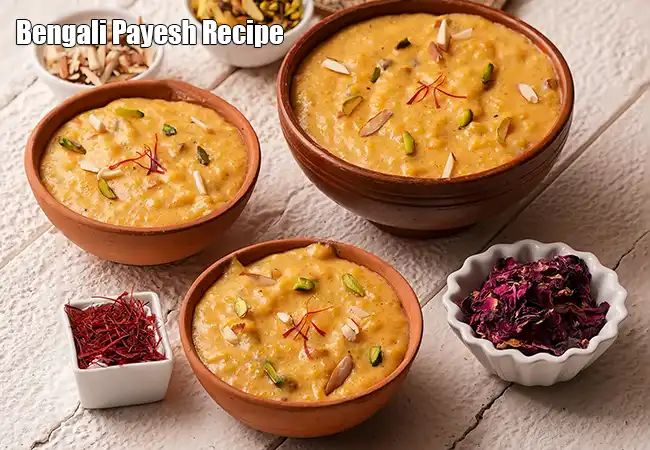
Payesh is a Bengali rice kheer made using gobindobhog rice. The rice is slow cooked in milk until creamy.
Sugar is added gradually for balanced sweetness. Cardamom enhances the aroma subtly. Payesh has a rich
yet light consistency. It is served during festivals and religious ceremonies.
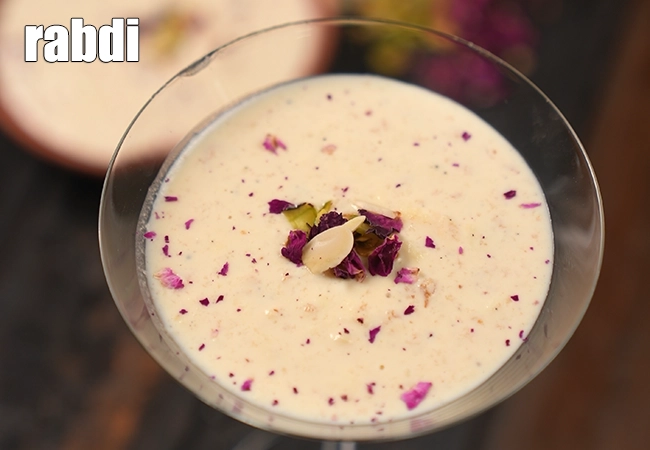
Rabri is made by simmering milk until thick layers of malai form. These layers are collected and gently sweetened.
Rabri has a rich and creamy mouthfeel. It is flavoured with cardamom and nuts. The texture is thick and indulgent.
A festive favourite.
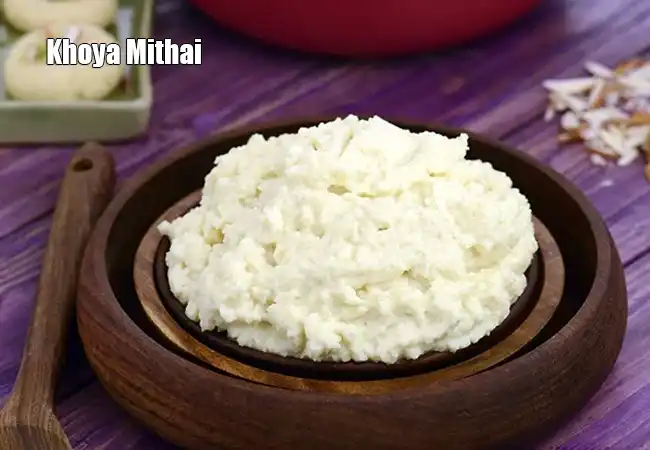
Khoya Mithai is prepared using reduced milk solids. It has a dense yet smooth texture. The sweetness is balanced and rich.
This sweet has a longer shelf life. It is often shaped into small pieces. Ideal for festive gifting.
Fried Syrup Sweets
Fried Bengali sweets are rich and indulgent. They are deep fried slowly and soaked in sugar syrup. The outer layer remains firm while the inside stays soft.
Temperature control is essential for perfect texture. These sweets are popular during festivals. They have strong traditional appeal.
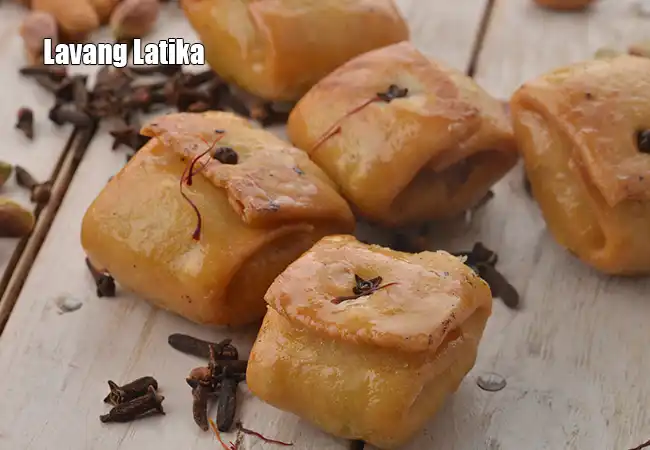
traditional Bengali sweet made with a stuffed khoya filling, deep-fried until crisp and then soaked in sugar syrup, known for its rich flavour and clove garnish on top.
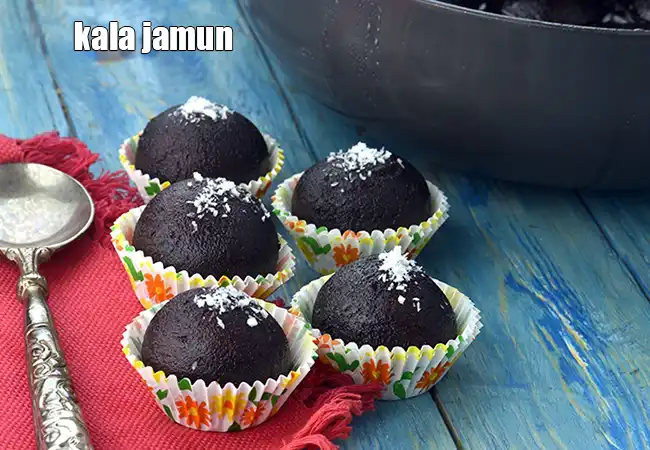
This sweet is made using khoya and chhena. It is fried until dark and soaked in syrup.
The texture is soft and moist. The sweetness is deep and rich. Cardamom enhances aroma. A festive indulgence.
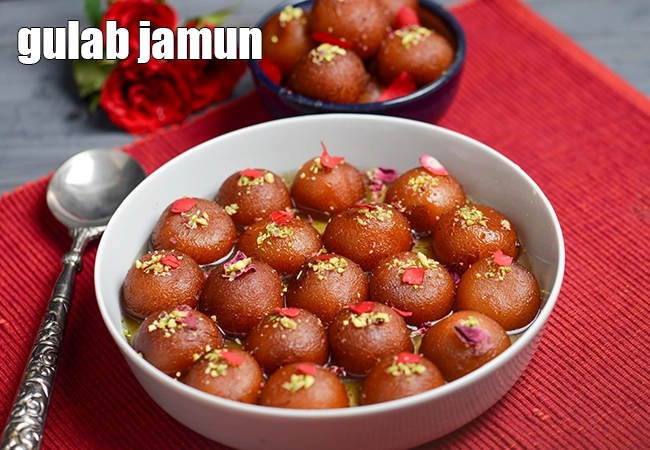
classic Indian sweet made from soft milk solids, deep-fried until golden brown and soaked in warm sugar syrup. It has a rich, melt-in-the-mouth texture with a delicate sweetness. Flavoured with cardamom and rose essence, gulab jamun is commonly served during festivals, weddings, and celebrations. It tastes best when served warm or slightly chilled.
Dry Bengali Sweets
Dry Bengali sweets have low moisture content. They are easy to store and ideal for gifting. These sweets often use coconut, sesame, or khoya.
The sweetness is mild. They are simple yet flavourful. Commonly prepared during festivals.
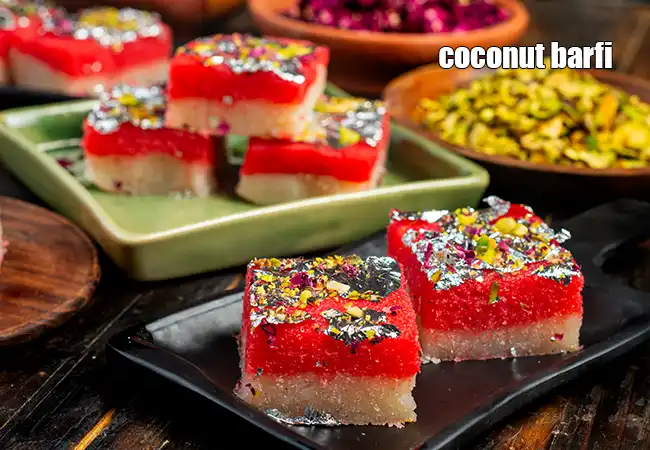
Coconut Barfi is a popular Indian sweet made using fresh or desiccated coconut and milk-based ingredients. It has a soft yet slightly firm texture with a mild, pleasant sweetness. The coconut gives the barfi a rich aroma and traditional flavour. This sweet sets well and can be easily cut into neat squares. Coconut Barfi is commonly prepared during festivals and celebrations. It is simple, satisfying, and loved by all age groups.
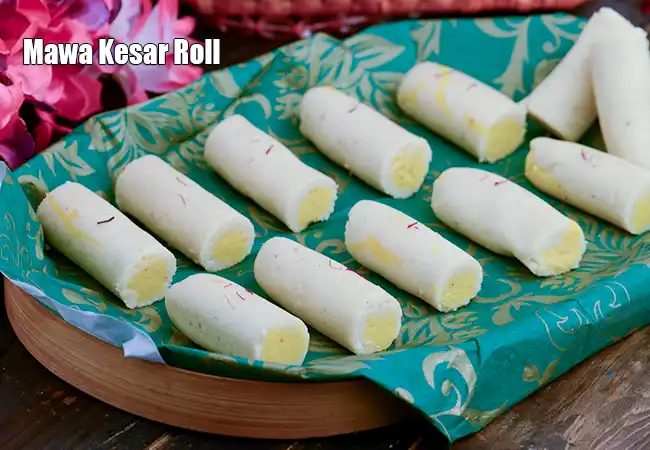
Mawa Kesar Roll is a rich Indian sweet made from soft mawa flavoured with saffron. It has a smooth, melt-in-the-mouth texture and a delicate aroma of kesar. The roll shape makes it visually appealing and easy to serve. This sweet offers balanced sweetness with a creamy taste. Mawa Kesar Roll is commonly prepared during festivals and special occasions. It is a classic choice for festive sweet platters.
FAQs
1. What are Bengali sweets famous for?
They are known for soft texture, milk-based recipes, and mild sweetness.
2. Which ingredient is most used?
Fresh chhena and milk are primary ingredients.
3. Are Bengali sweets very sweet?
No, they are mildly sweet compared to other Indian sweets.
4. Are these sweets vegetarian?
Yes, most Bengali sweets are vegetarian.
5. Which sweet is most popular?
Rosogolla is the most famous.
6. Can Bengali sweets be made at home?
Yes, with proper technique and fresh ingredients.
7. Are they suitable for festivals?
Yes, they are widely prepared for celebrations.
8. Do they require refrigeration?
Milk-based sweets usually need refrigeration.
Conclusion
Bengali sweets represent a refined dessert tradition rooted in simplicity, balance, and craftsmanship. From soft chhena delicacies to rich milk desserts and festive dry sweets, each category reflects Bengal’s culinary heritage. With well-structured recipes available on trusted platforms like Tarla Dalal’s website, these sweets can be easily recreated at home. Their mild sweetness and elegant textures make them timeless favourites for every occasion.


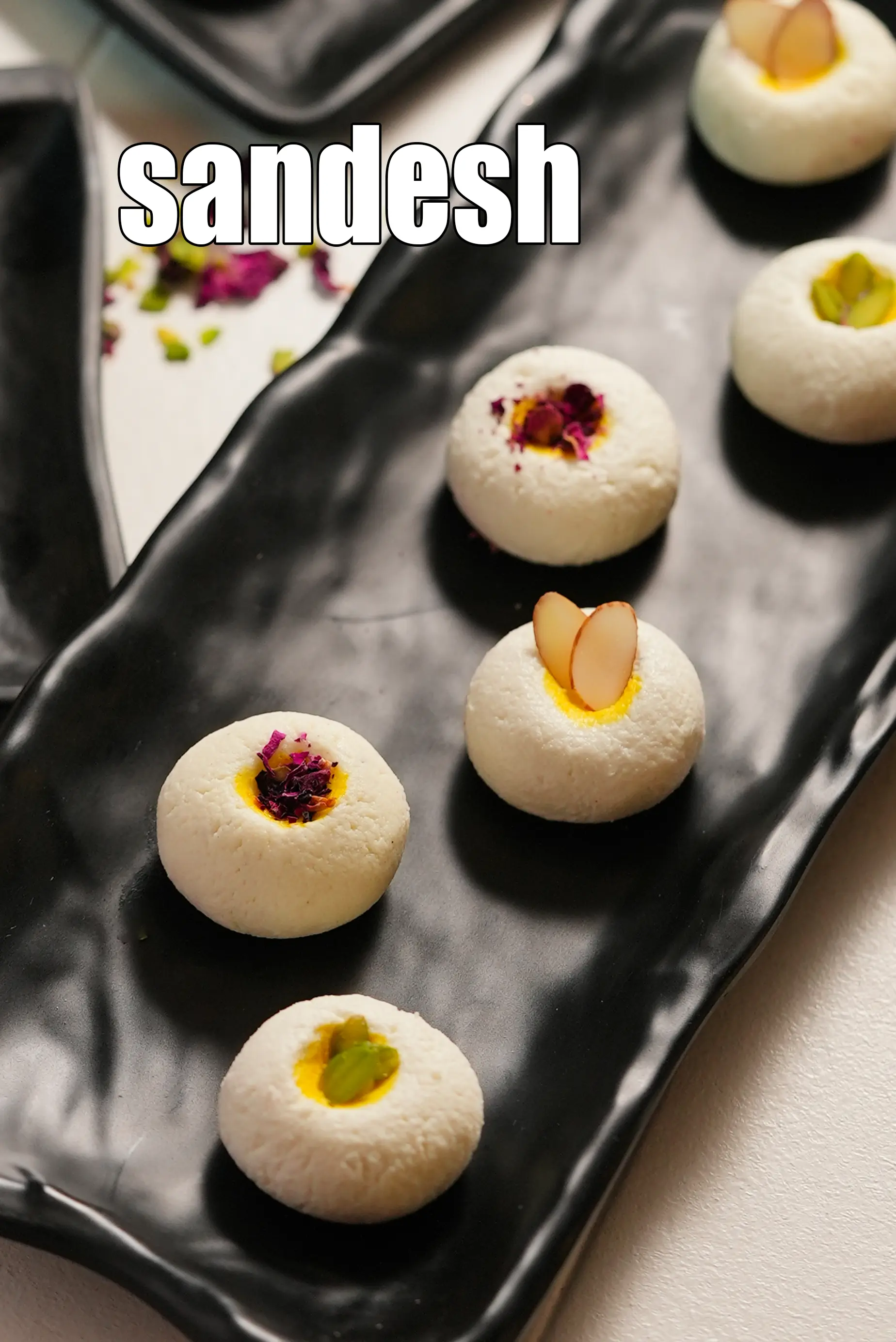
sandesh recipe | Bengali sandesh | sondesh | with 34 amazing images.Sweet and delicious, sandesh also called as … More..
Recipe# 2592
23 February, 2024
calories per serving
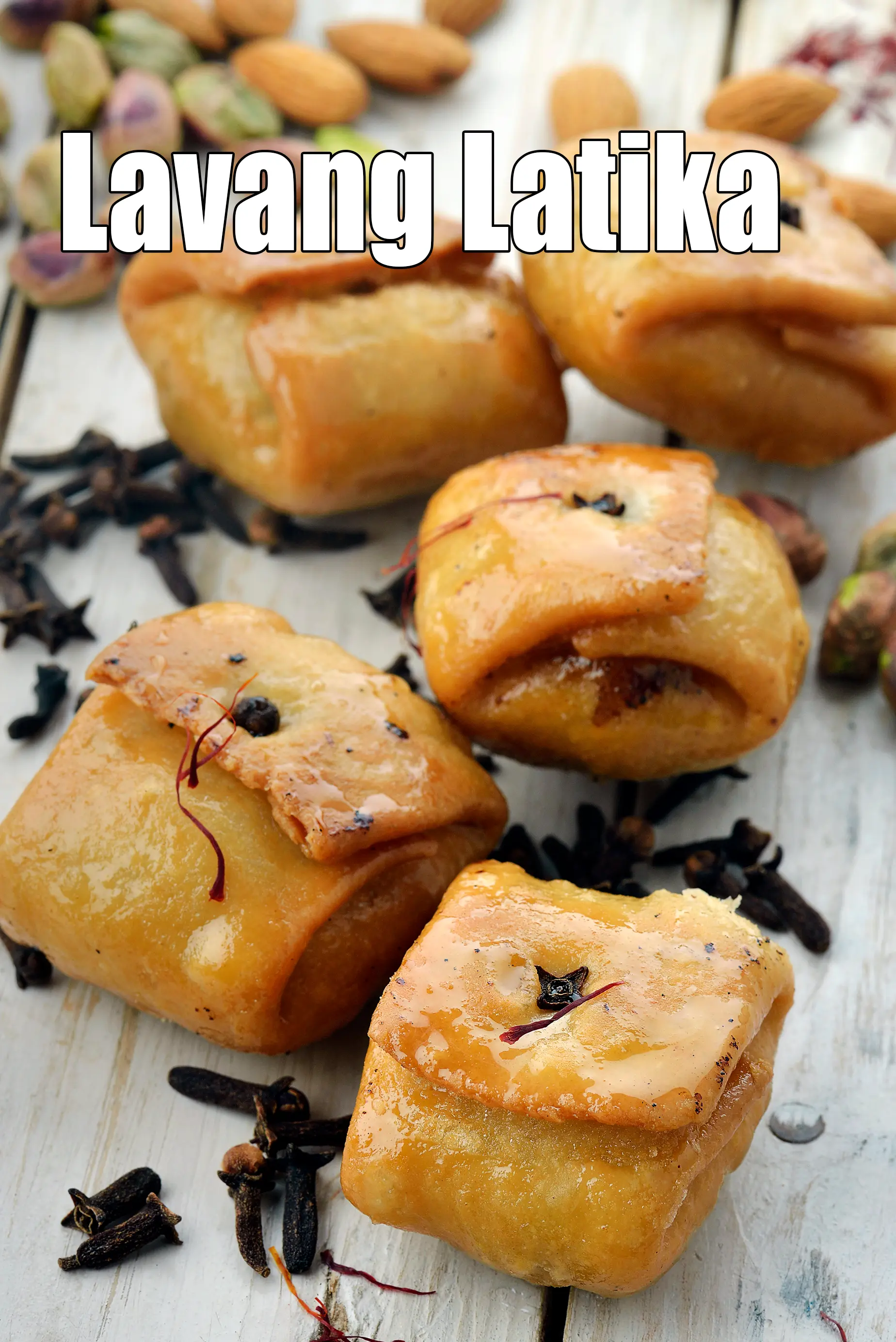
lavang latika recipe | Bengali labang latika | traditional Indian mithai | lobongo latika | with step by … More..
Recipe# 2617
24 September, 2020
calories per serving
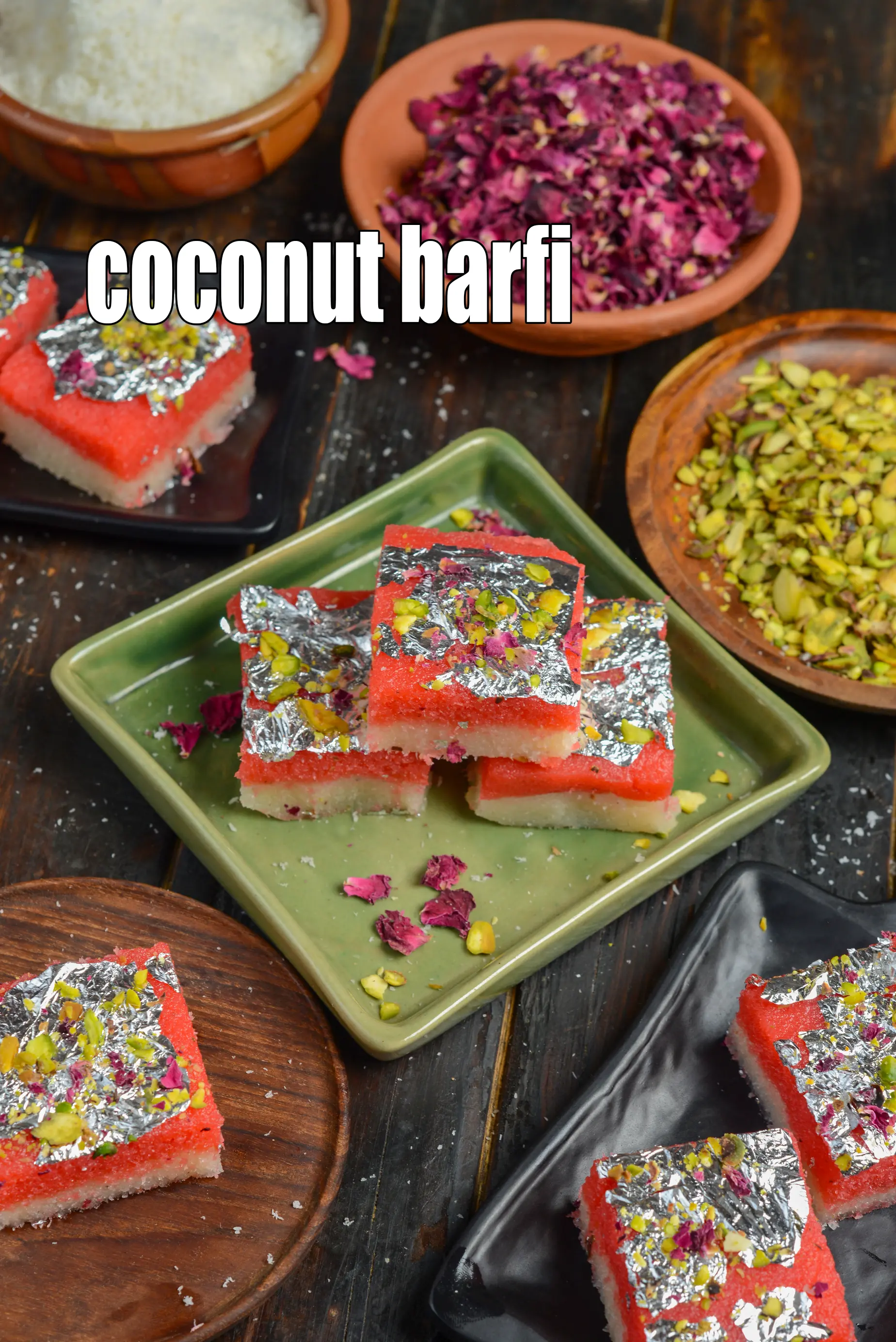
coconut barfi recipe | nariyal barfi | layered coconut barfi | rose coconut barfi | with 33 amazing … More..
Recipe# 102
24 August, 2022
calories per serving
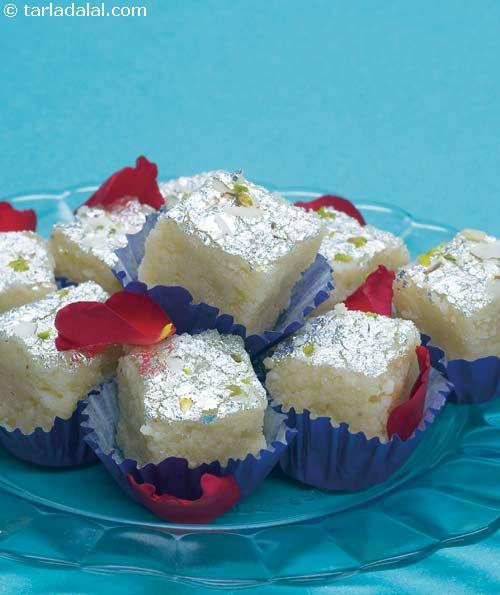
If made in the traditional way, kalakand is a very time consuming and intricate mithai to make. I … More..
Recipe# 3016
03 May, 2018
calories per serving

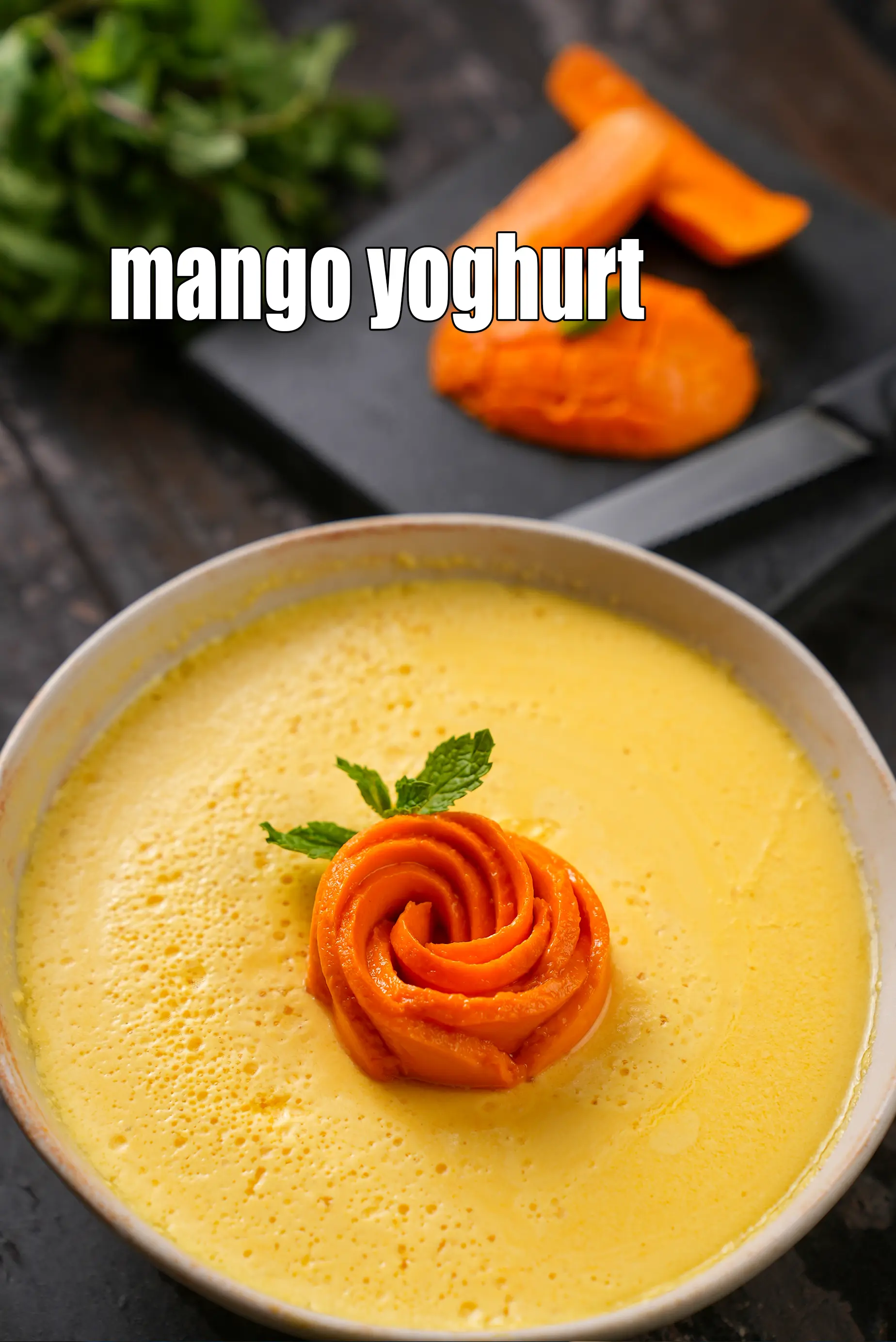
mango yoghurt recipe | Indian style mango yoghurt | healthy aam doi | with 21 amazing images.Yoghurt is … More..
Recipe# 252
26 May, 2023
calories per serving

Bengali rice kheer recipe | Bengali chaler payesh | bhoger payesh | with 23 amazing images. In all regional cuisines … More..
Recipe# 6713
08 February, 2017
calories per serving
-1378.webp?w=200&format=webp)
Khoya is the key ingredient that imparts not only richness and taste to any sweet or a dessert … More..
Recipe# 4123
08 January, 2016
calories per serving
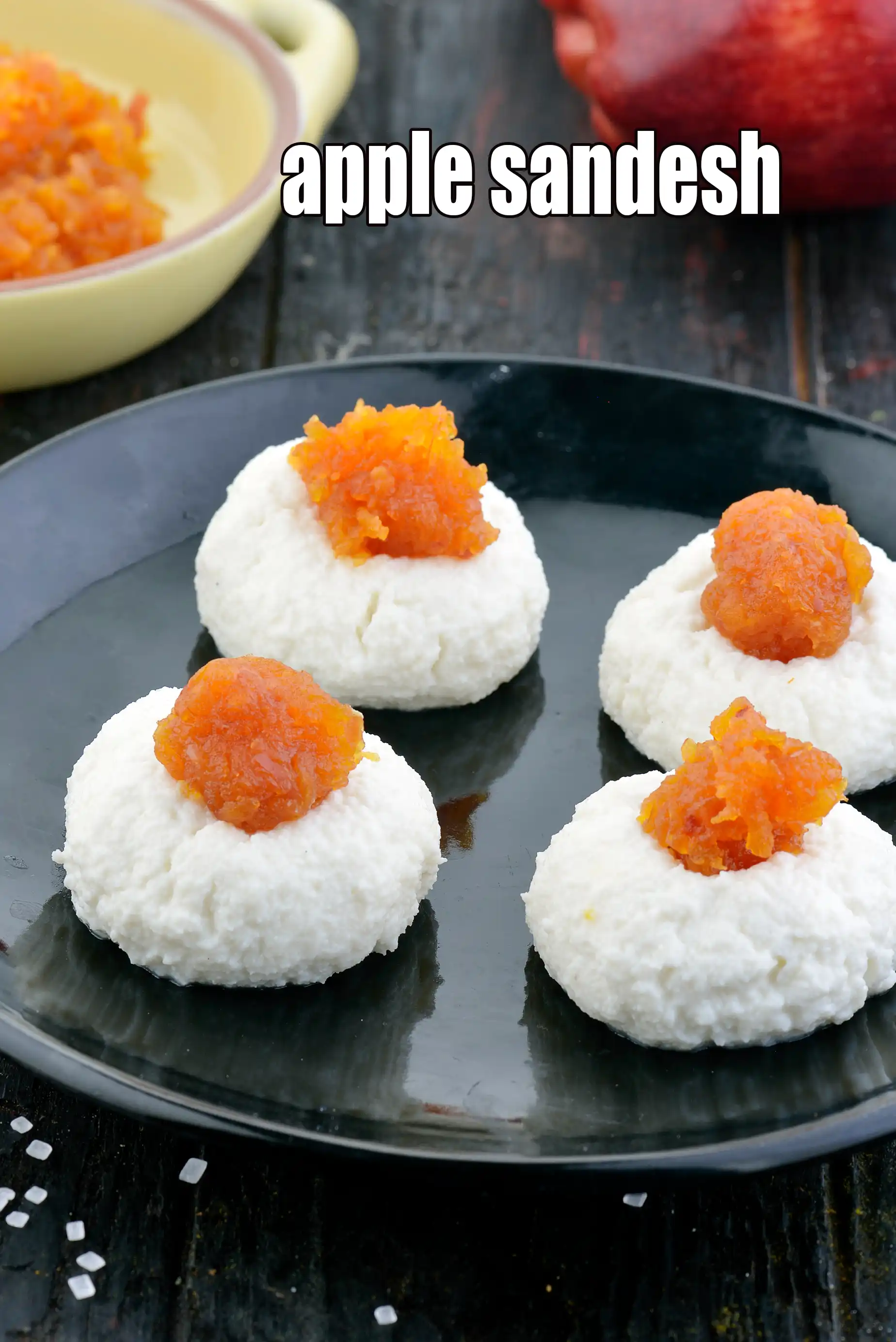
apple sandesh recipe | quick apple sandesh | apple sandesh - Indian mithai | with step by step … More..
Recipe# 1846
20 September, 2020
calories per serving
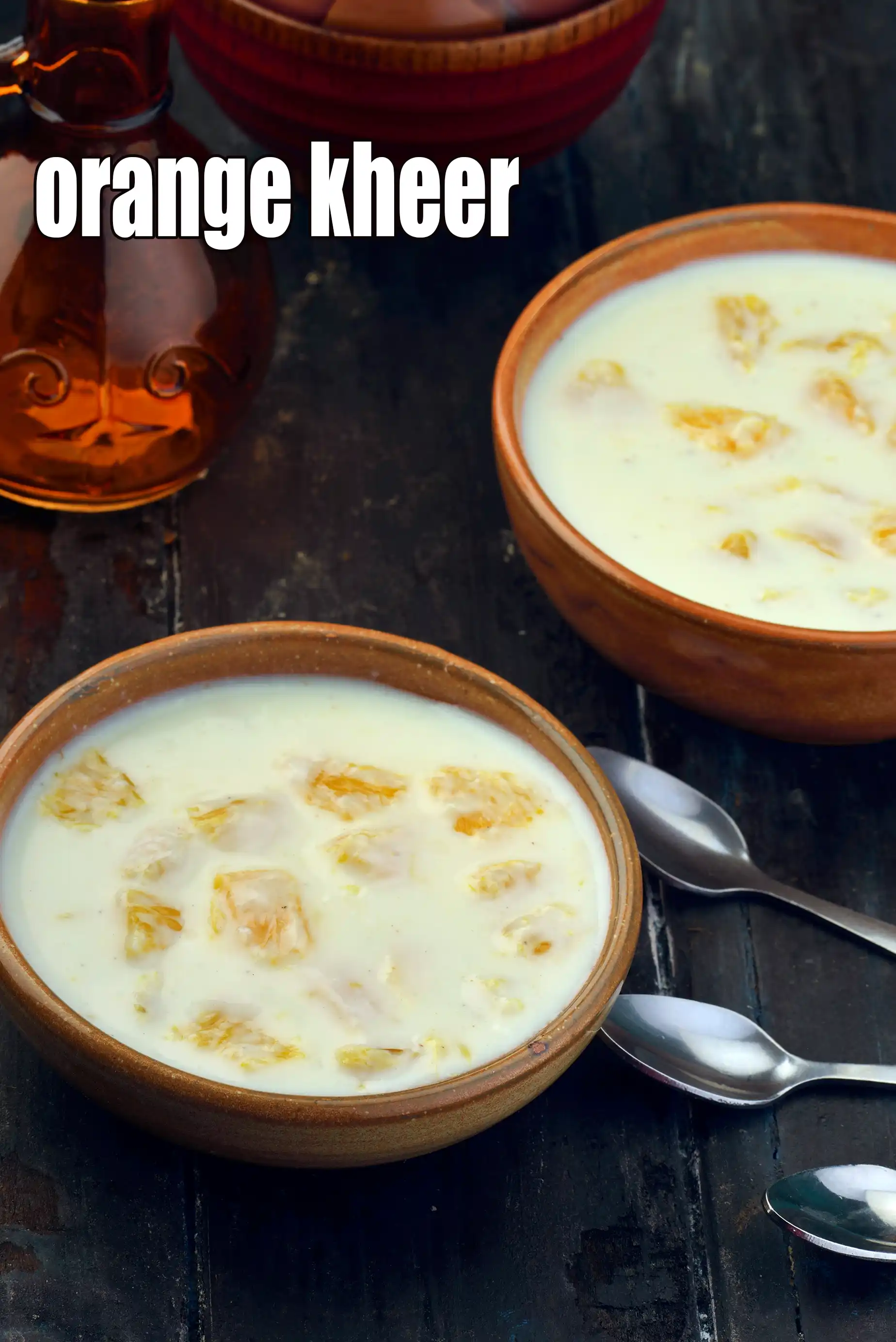
orange kheer recipe | santre ki kheer | Komola kheer | Indian mithai | with 23 amazing images. orange … More..
Recipe# 5644
23 July, 2021
calories per serving
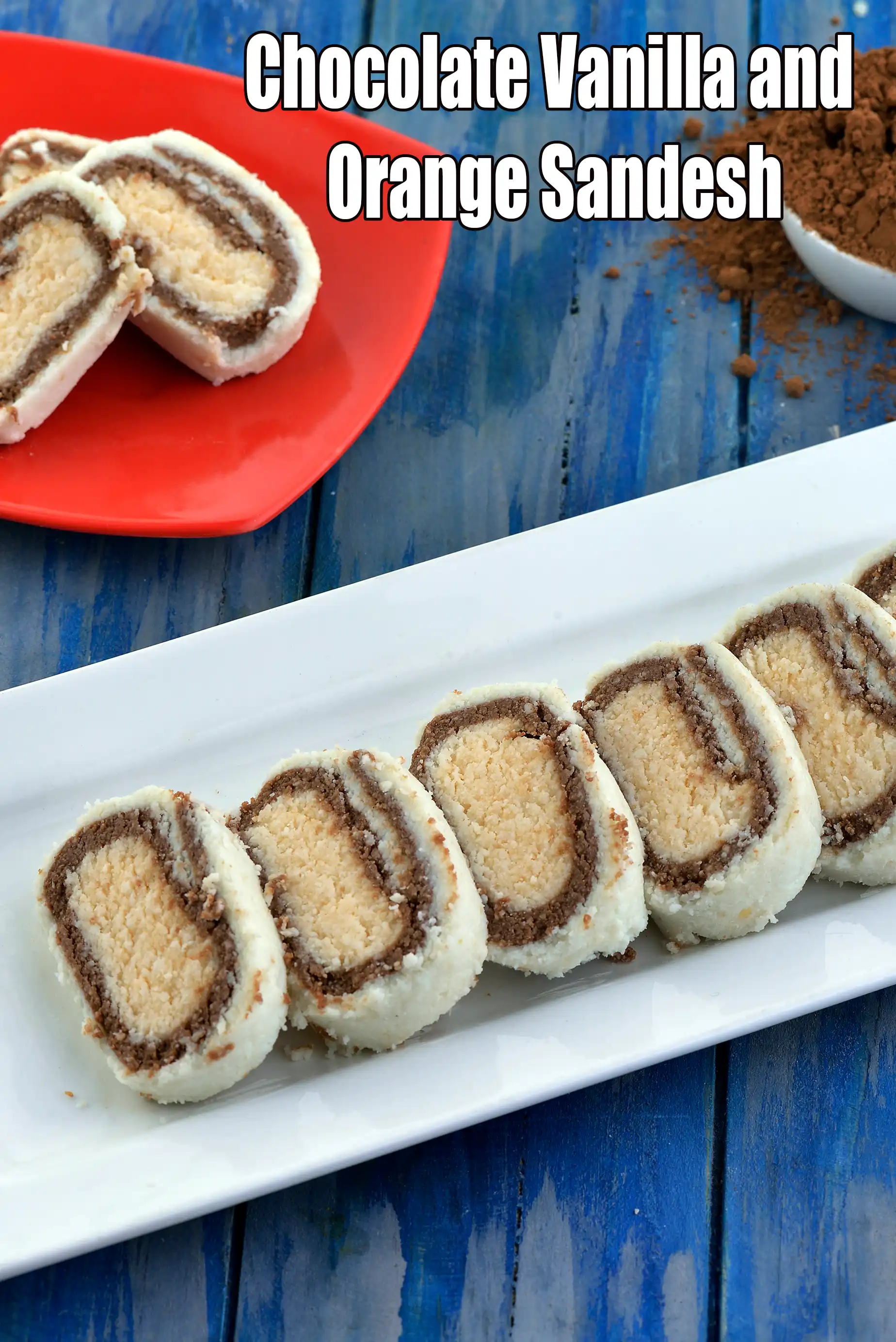
Chocolate Vanilla and Orange Sandesh | Bengali Mithai | Chocolate Vanilla and Orange Sandesh is a delightful Bengali mithai … More..
Recipe# 1073
18 June, 2018
calories per serving
calories per serving
sandesh recipe | Bengali sandesh | sondesh | with 34 amazing images.Sweet and delicious, sandesh also called as … More..
calories per serving
lavang latika recipe | Bengali labang latika | traditional Indian mithai | lobongo latika | with step by … More..
calories per serving
coconut barfi recipe | nariyal barfi | layered coconut barfi | rose coconut barfi | with 33 amazing … More..
calories per serving
If made in the traditional way, kalakand is a very time consuming and intricate mithai to make. I … More..
calories per serving
mango yoghurt recipe | Indian style mango yoghurt | healthy aam doi | with 21 amazing images.Yoghurt is … More..
calories per serving
Bengali rice kheer recipe | Bengali chaler payesh | bhoger payesh | with 23 amazing images. In all regional cuisines … More..
calories per serving
Khoya is the key ingredient that imparts not only richness and taste to any sweet or a dessert … More..
calories per serving
apple sandesh recipe | quick apple sandesh | apple sandesh - Indian mithai | with step by step … More..
calories per serving
orange kheer recipe | santre ki kheer | Komola kheer | Indian mithai | with 23 amazing images. orange … More..
calories per serving
Chocolate Vanilla and Orange Sandesh | Bengali Mithai | Chocolate Vanilla and Orange Sandesh is a delightful Bengali mithai … More..


Related Recipes

Follow US
Recipe Categories
- Vitamin B12 Cobalamin Rich Recipes 33 recipes
- Low Calorie, Weight Loss Indian Recipes 421 recipes
- Low Cholesterol Indian Recipes 309 recipes
- Healthy Indian Breakfast 373 recipes
- Indian Diabetic recipes 561 recipes
- Indian Pregnancy recipes 461 recipes
- Zero Oil Indian Recipes 133 recipes
- Iron Rich Indian recipes 268 recipes
- Healthy Indian Acidity recipes 137 recipes
- Healthy Sabzis 108 recipes
- Indian Healthy Veg Snack 276 recipes
- Healthy Heart Recipes 416 recipes
- Healthy Veg Indian Soups 74 recipes
- Calcium Rich Indian 373 recipes
- High Blood Pressure Indian Recipes 104 recipes
- Healthy Indian Salads Recipes 137 recipes
- Low Carb Indian Diet, recipes 163 recipes
- Hypothyroidism Diet 63 recipes
- Arthritis Diet 68 recipes
- High Protein Indian recipes 95 recipes
- Vitamin K Diet 42 recipes
- Fatty Liver Diet 39 recipes
- PCOS 136 recipes
- Gluten Free Veg Indian 197 recipes
- High Fiber 328 recipes
- Indian Cancer Patients 275 recipes
- Jaundice Diet 45 recipes
- Sprouts 61 recipes
- Typhoid 43 recipes
- Irritable Bowel Syndrome (IBS) 23 recipes
- Kidney Stone Diet 10 recipes
- Home Remedies 213 recipes
- Senior Citizen 195 recipes
- Healthy Indian Drinks and Juices 213 recipes
- Diet for Dialysis 10 recipes
- Gout Indian Recipes 17 recipes
- Potassium Rich 80 recipes
- Vegan 195 recipes
- Indian recipes to treat Vomiting 8 recipes
- Forever Young Diet, Anti Aging Indian Diet 255 recipes
- Antioxidant Rich Indian 445 recipes
- Vitamin B1 Rich Indian Foods, Recipes 101 recipes
- High in Omega 3 Fatty Acids 32 recipes
- Zinc Rich Foods 55 recipes
- Vitamin A Rich, Beta Carotene, Retinol 89 recipes
- Malaria Diet 19 recipes
- Magnesium Rich 94 recipes
- Healthy Indian Dinner 85 recipes
- Vitamin C Rich Indian recipes 118 recipes
- Low Veg Glycemic Index 86 recipes
- Lower Blood Pressure Salads 8 recipes
- Healthy Indian Lunch Recipes 29 recipes
- Lactation 25 recipes
- Vitamin E Rich 51 recipes
- Hyperthyroidism Diet 47 recipes
- Vitamin B3, Niacin Rich 41 recipes
- Post Surgery Diet 42 recipes
- Selenium 27 recipes
- Phosphorus Rich Indian Recipes, Foods 74 recipes
- Lower Blood Pressure Desserts Sweets 14 recipes
- Copper 15 recipes
- Foods Rich in Vitamin B2 Riboflavin 22 recipes
- Vitamin B6 Diet 36 recipes
- B Vitamins 231 recipes
- Vitamin B9 Rich Folate 50 recipes
- Marathoners, Endurance Athletes, Triathlete 225 recipes
- Manganese Diet 32 recipes
- Thalassemia 18 recipes
- Detox Water, Fruit Infused Water 42 recipes
- Lactose Free Dairy Free 22 recipes
- Omega 6 Fatty Acids 32 recipes
- Phytonutrients 51 recipes
- Chronic Kidney Disease Indian recipes 12 recipes
- Selenium1 0 recipes
- Quick Snacks / Quick Starters 385 recipes
- Quick Breakfast Indian 131 recipes
- Quick Sabzis 117 recipes
- Quick Rotis / Parathas 46 recipes
- Quick Indian Sweets 139 recipes
- Quick Stir-Fries 51 recipes
- Quick Vegetarian Indian Soups 72 recipes
- Quick Chutneys 67 recipes
- Quick Vegetarian Rice, khichdi Recipes 56 recipes
- Indian Snacks Under 10 Minutes (Quick Veg Recipes) 44 recipes
- Quick Indian Dips, Gravies & Sauces 105 recipes
- Quick Veg Indian Pizza 17 recipes
- Quick Veg Pasta 25 recipes
- Quick Pickles / Aachar 25 recipes
- Quick Dals / quick Kadhis 29 recipes
- Snacks under 5 minutes 33 recipes
- Quick Healthy Recipes 43 recipes
- Quick Pressure Cooker 46 recipes
- Quick Desserts 47 recipes
- Quick 3 Ingredients 63 recipes
- Quick Indian Desserts 20 recipes
- Quick 4 Ingredients 41 recipes
- Quick 5 Ingredients 42 recipes
- Kids Tiffin Box 319 recipes
- Recipes for Toddlers (1-3 Years) 32 recipes
- Sweet Recipes for Kids 456 recipes
- Recipes for Baby (10 to 12 Months) 17 recipes
- Quick Indian recipes for Kids 72 recipes
- Indian Breakfast Recipes for Kids 192 recipes
- Recipes for Weaning (8 to 9 months) 22 recipes
- Healthy Foods for Kids 196 recipes
- Snack Recipes for Kids 619 recipes
- Recipes Kids can make 36 recipes
- Kids After School 794 recipes
- Kids Jar Snacks 66 recipes
- Finger Foods for Babies, Toddlers and Kids 76 recipes
- Kids Weight Gain 43 recipes
- Kids Wraps and Rolls 23 recipes
- Kids Veg Pasta 27 recipes
- Kids Brain Boosting 68 recipes
- Protein rich food for kids 71 recipes
- Recipes for Weaning 15 recipes
- Kids Pizzas 30 recipes
- Babies, Toddler and Kids Iron Rich Foods 31 recipes
- High Fiber Foods for Kids 39 recipes
- Kids High Energy Indian Foods 103 recipes
- Kids Noodles 37 recipes
- Kids Calcium Rich Indian recipes 92 recipes
- Babies recipes, 6 to 18 months 34 recipes
- Kids Recipes for Increasing Immunity 10 recipes
- Kids Weight Loss 58 recipes
- Teething Recipes for Babies 10 recipes
- Cereals and Pulses for 8 to 9 months Baby 8 recipes
- Weaning foods at 7 months 12 recipes
- Indian Teen 315 recipes
- Starters / Snacks 2138 recipes
- Indian Breakfast Recipes 819 recipes
- Main Course Recipes 925 recipes
- Indian Salads 385 recipes
- Indian Desserts , Sweets 985 recipes
- Indian Soups 249 recipes
- Indian Beverages, Indian Drinks 483 recipes
- Indian Dinner 903 recipes
- Indian Dinner1 0 recipes
- Indian Lunch 829 recipes
- Side Dishes 449 recipes
- Indian Travel Food 433 recipes
- Indian Barbeque1 recipes 22 recipes
- Frozen Foods, Indian Freezer Recipes 67 recipes
- Whole Wheat Recipes 56 recipes
- Indian Comfort Foods 212 recipes
- Dinner Menus 56 recipes
- Easy Indian Veg 70 recipes
- Innovative Indian Recipes 27 recipes
- No Cook Indian 37 recipes
- Advanced Recipes 10 recipes
- Cakes with Eggs 13 recipes
- Microwave 229 recipes
- Oven 619 recipes
- Indian Steamer Recipes 102 recipes
- Kadai Veg 407 recipes
- Indian Barbeque Recipes 43 recipes
- Sizzler tray 15 recipes
- Mixer 566 recipes
- Pressure Cooker 315 recipes
- Tava 647 recipes
- Non-stick Pan 1393 recipes
- Indian Freezer recipes, meals 57 recipes
- Appe Mould 18 recipes
- Pan 223 recipes
- Non Stick Kadai Veg 203 recipes
- kadai Indian 150 recipes
- Refrigerator 176 recipes
- Waffle Indian recipes 6 recipes
- Handi 12 recipes
- Juicer and Hopper 65 recipes
- Grill 31 recipes
- Toaster 21 recipes
- Gas Toaster 8 recipes
- Healthy Indian steamed 73 recipes
- No Cooking Veg Indian 335 recipes
- Vegetarian baked Indian recipes 380 recipes
- Boiled Indian recipes 129 recipes
- Deep Fry 260 recipes
- Indian Tawa 265 recipes
- Shallow Fry Indian 25 recipes
- Microwave1 172 recipes
- Saute 273 recipes
- Indian Pressure Cooker 171 recipes
- Stir-fry 101 recipes
- Roasting 0 recipes