Panchamrut Recipe (Panchamrit)
 Tarla Dalal
• Updated : Jan 08, 2026
Tarla Dalal
• Updated : Jan 08, 2026
Panchamrut is a traditional recipe used in Hindu religious functions. Easy and quick to make panchamrut is made of these 5 ingredients : milk, curds, sugar, honey and ghee which makes a prasad.
panchamrut prasad is served at religious festivals like janmashtami , Sankashti Chaturthi, and any pujas at home like satyanarayan puja or ganesh poojan.


Table of Content
About Panchamrut, Panchamrit

|
|
Ingredients
|
|
Methods
|
|
How to make Panchamrut
|
|
Why tulsi is used in Panchamrut?
|
|
FAQs
|
|
Related Panchamrut Recipe
|
|
Tips for Panchamrut Recipe
|
|
Nutrient values
|
In Sanskrit panch means 5, as in 5 ingredients used and amrut means nectar which is the drink of gods. Panchamrut is believed to be purifying and nourishing and is used during the pujas and later given as prasad too.
Those who come to darshan or pooja, only have a teaspoon of panchamrut.
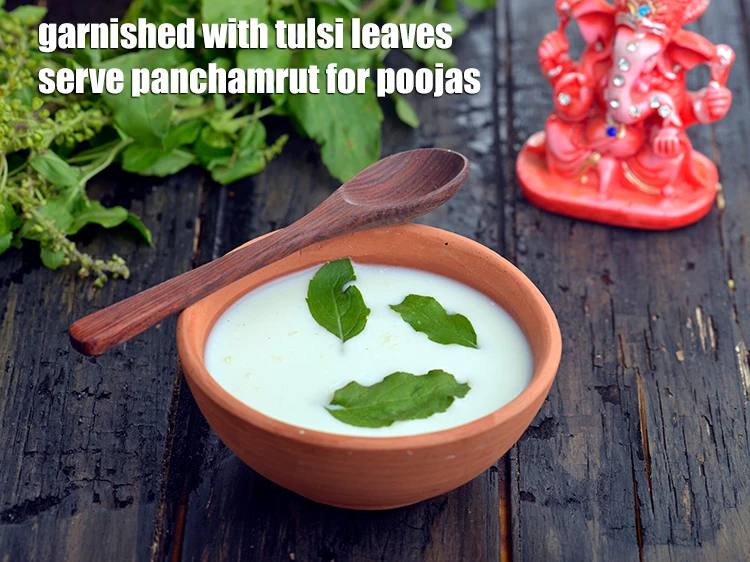
A garnish of basil leaves gives the Panchamrut a nice flavour and aroma too. Enjoy this panchamrut prasad at home during religious festivals.
Since there is curd in panchamrut, the shelf life will be only 3 to 4 hours. If there is more milk and lesser curd in the panchamrit recipe, then it can be made in the morning and used at night.
Aside from panchamrit recipe, other recipes that can be made as prasad are Modak and Mawa Modak .
Tags
Soaking Time
0
Preparation Time
5 Mins
Cooking Time
0 Mins
Baking Time
0 Mins
Baking Temperature
0
Sprouting Time
0
Total Time
5 Mins
Makes
0.75 cup
Ingredients
For Panchamrut
- 1/2 cup milk
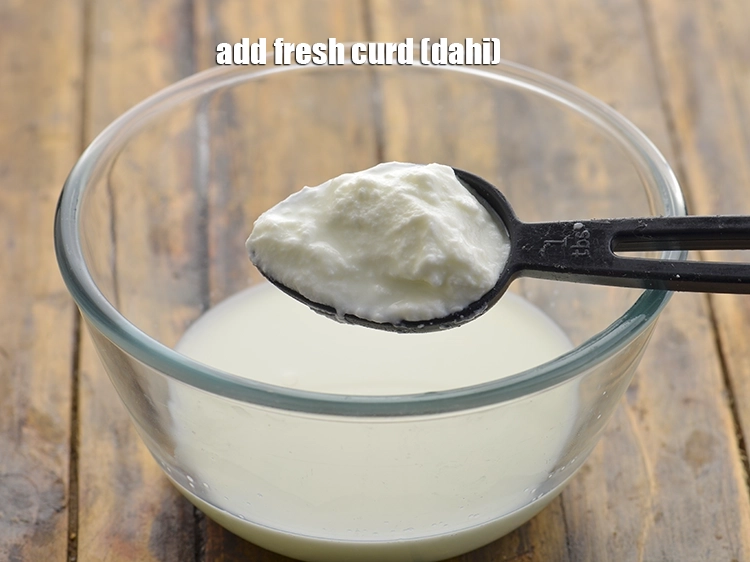
- 2 tbsp fresh curd (dahi)
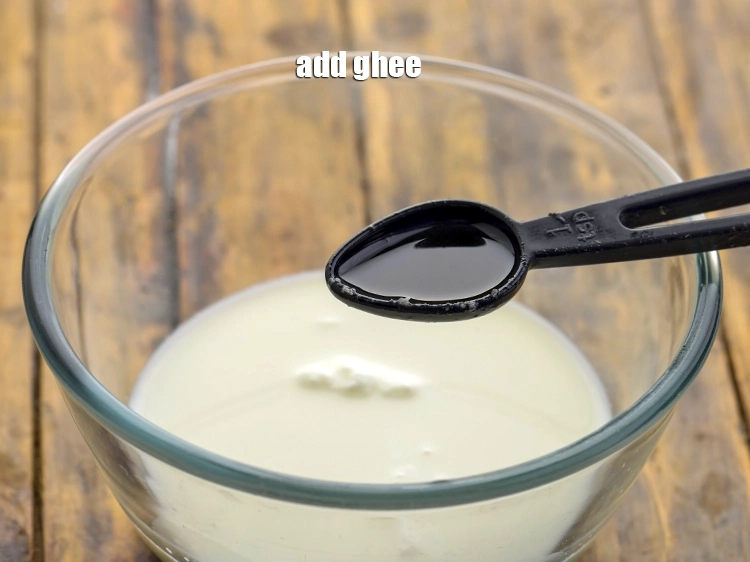
- 1/4 tsp ghee
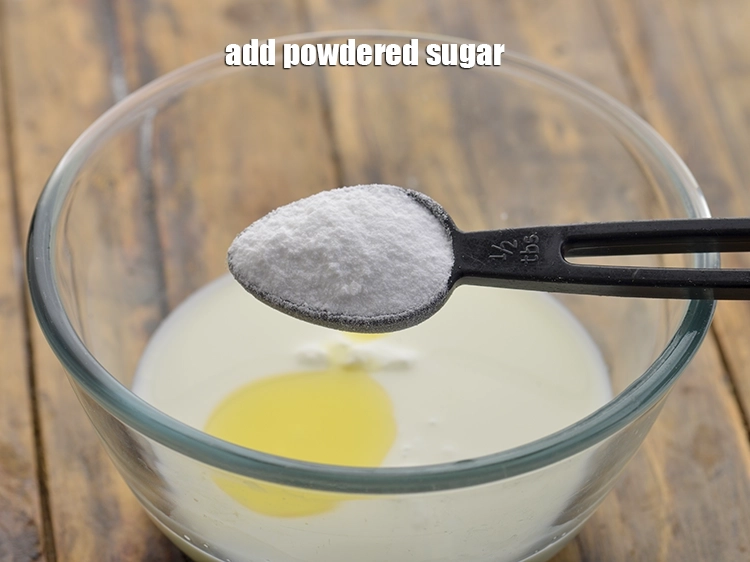
- 1/2 tbsp sugar
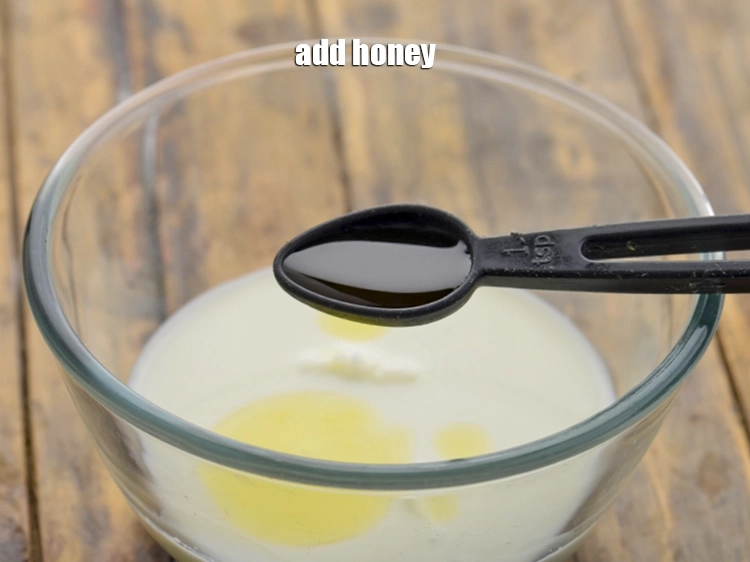
- 1/2 tsp honey
For The Garnish
Method
For panchamrut
- Combine all the ingredients in a deep bowl and mix well.
- Serve garnished with tulsi leaves.
Panchamrut, Panchamrit recipe with step by step photos
-
-
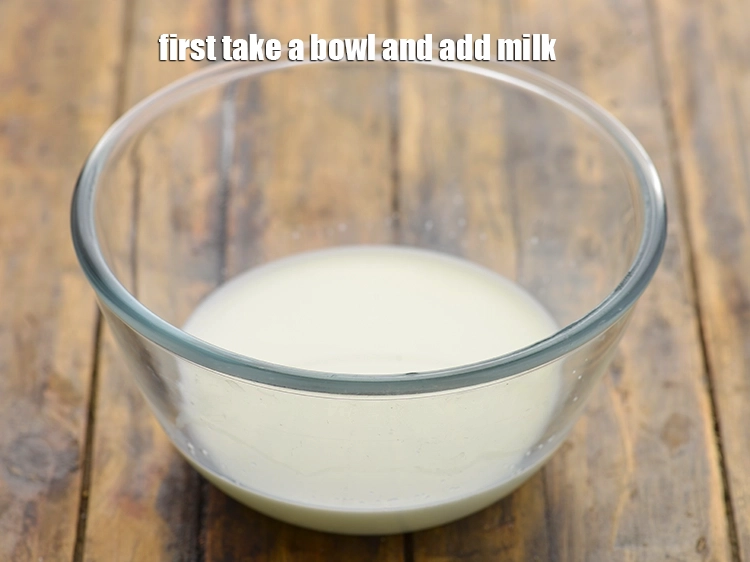
To make Panchamrut, Panchamrit, first take a bowl and add the 1/2 cup milk.
-
Add the 2 tbsp fresh curd (dahi).
-
Add the 1/4 tsp ghee.
-
Add the 1/2 tbsp sugar.
-
Add the 1/2 tsp honey.
-
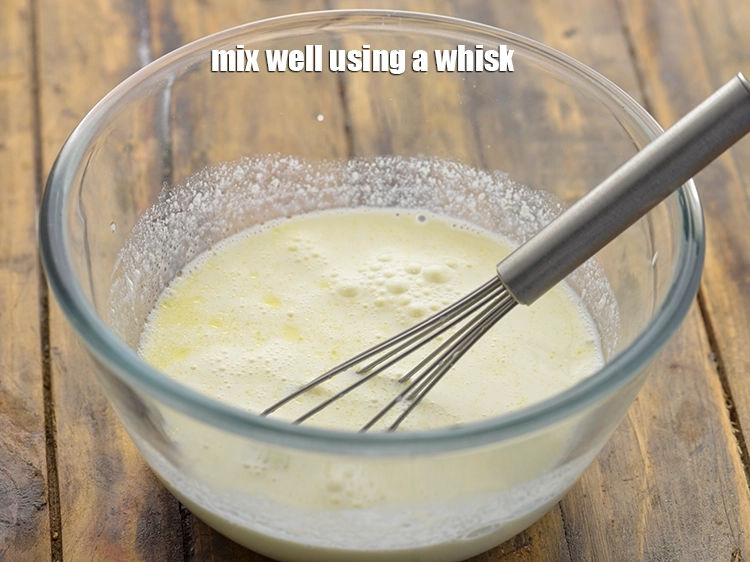
Mix Panchamrut, Panchamrit well using a whisk.
-
Garnished with tulsi leaves (Indian basil). Serve panchamrut for poojas.
-
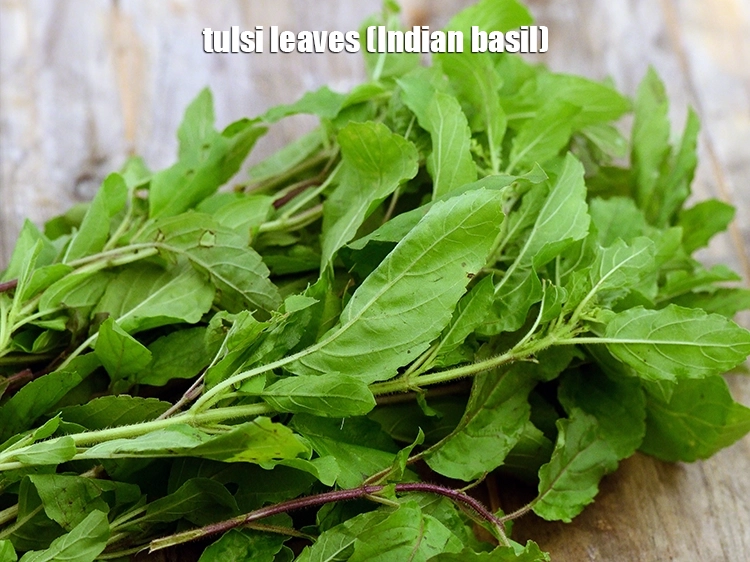
It is believed that the Naivedya, Panchamrut or any kind of offering made to deity should be pure and with Sattva Gunas. Tulsi has potential to absorb Sattva Gunas (Positive energy) and keep away the Rajjas and Tammas Gunas (Negative Energy). The deity always likes such offering. Naivedya, Panchamrut or any kind of offering made to deity with tulsi leaves (Indian basil) to please him/her and receive the grace.
- What is Panchamrut (Panchamrit)?
Panchamrut is a traditional Hindu prasad drink made by mixing five key ingredients milk, curd, sugar, honey, and ghee and is offered during religious functions and festivals. - Why is it called Panchamrut?
In Sanskrit, panch means five and amrut means nectar, so Panchamrut refers to a “nectar of five ingredients.” - What ingredients are needed to make Panchamrut?
The main ingredients are milk, fresh curd (dahi), ghee, sugar, and honey. It’s garnished with tulsi (Indian basil) leaves. - How do you make this Panchamrut at home?
Combine the milk, curd, ghee, sugar, and honey in a bowl, mix well with a whisk, and serve garnished with tulsi leaves. - Is there any cooking involved?
No Panchamrut is a no-cook recipe prepared fresh by mixing all ingredients. - How long does homemade Panchamrut last?
Since it contains curd, it should ideally be consumed within 3–4 hours of preparation. - Why are tulsi leaves used in Panchamrut?
Tulsi (holy basil) is traditionally added for its spiritual significance and is believed to enhance purity and positive energy of the offering. - When is Panchamrut typically served?
It is served as prasad during religious festivals like Janmashtami, Sankashti Chaturthi, Satyanarayan Puja, Ganesh Poojan, and other pujas. - Can variations of Panchamrut be made?
Yes in some regions or according to different traditions, additional ingredients like nuts, fruits, or Ganga jal may be added, though the Tarla Dalal version focuses on the classic five ingredients. - Can Panchamrut be consumed or only offered?
Traditionally it’s offered to the deity first and then shared as prasad. It’s not cooked and consumed fresh. (In general practice, it may be sipped in small amounts as a blessed offering.)
If you liked this Panchamrut Recipe then also check out other recipes like:
1. Use Fresh, Quality Ingredients
- Always use fresh curd (dahi) and pure milk for best taste and texture.
- Fresh honey and unrefined sugar enhance natural sweetness and aroma.
Using stale or low-quality ingredients can make the Panchamrut less fragrant and smooth.
2. Balance the Sweetness
- Adjust the amount of sugar and honey to your taste start with the recipe’s quantities, then tweak slightly if you prefer it sweeter or milder.
- Don’t over-sweeten, as the nectar is meant to be light and pleasant for offering.
3. Mix Gently But Thoroughly
- Whisk all ingredients gently but well so the curd blends without being too frothy.
- Avoid vigorous beating you want a smooth, creamy mix, not foam.
4. Serve Immediately
- Panchamrut doesn’t store long because of the curd ideally serve within 3–4 hours after making.
- If you need it later, use slightly more milk and less curd so it stays stable and doesn’t sour quickly.
5. Enhance Aroma with Fresh Tulsi
- Garnish with fresh tulsi (holy basil) leaves just before serving to add aroma and traditional significance.
- Placing tulsi leaves right on top helps release aroma into the mixture.
6. Optional Add-Ins (for Special Occasions)
- If you want a slightly richer or festive version (like for festivals such as Janmashtami), you can add a small pinch of cardamom powder or a drop of rose water to elevate the fragrance without altering the traditional essence.
7. Maintain Cleanliness
- Panchamrut is usually offered as prasad ensure all bowls and utensils are squeaky clean to preserve purity and flavor, especially when made for religious events.
Nutrient values (Abbrv)per plate
| Energy | 286 Calories |
| Protein | 7.6 g |
| Carbohydrates | 23.7 g |
| Fiber | 0.1 g |
| Fat | 13.9 g |
| Cholesterol | 0 mg |
| Sodium | 33 mg |
Click here to view Calories for Panchamrut, Panchamrit
The Nutrient info is complete

Jasmine
Oct. 10, 2016, 8:49 a.m.
Tulsi can''t be garnished ever when the Prasad is offered to ganpati bappa
Daya
May 11, 2016, 3:24 p.m.
We are told never to mix equal quantities of honey and ghee. It is according to the Ayurveda, Virodhi Aahar and is toxic. Either of them should be increased and made unequal.
Tarla Dalal
May 11, 2016, 3:24 p.m.
Daya, noted. We will look into this. Thanks.
Kalpana Sinha
Oct. 3, 2014, 8:49 a.m.
SunilKatheria
Sept. 22, 2014, 12:51 p.m.
I like it.. And always prepare for Krishna Janmashtami..
Payal Parikh 86
April 22, 2013, 3 p.m.
This is always made at home when there is puja and is given to all the guest, its very easy to make as it just has 5 basic ing in it.