This category has been viewed 902007 times
Healthy Indian Recipes > Healthy Indian Acidity
137 Healthy Indian Acidity Recipes
 Tarla Dalal
• Updated : Jan 31, 2026
Tarla Dalal
• Updated : Jan 31, 2026
If you often experience burning in your chest, sour burps, or discomfort after meals, your daily food choices may be the reason. Acidity and acid reflux are common digestive problems, especially when we consume spicy, fried, sugary, or processed Indian foods regularly. While Indian cuisine is rich and flavorful, certain foods can trigger excess stomach acid and worsen symptoms. Knowing which foods to avoid for acidity is the first step toward better gut health.

Table of Content

Vegetarian Indian Recipes for managing acidity | Heartburn, Gerd Recipes to control acidity
For those who suffer from acidity look at all the details below.
What's Acidity?
Acidity is a form of indigestion in which there is accumulation of acid leading to a burning sensation in the stomach and the digestive tract.
The stomach periodically produces acid to aid digestion. It is when we don't eat at regular intervals or are excessively stressed the stomach produces more acids which harms our body.
Our acidity is measured by our pH level which ranges from 0 to 14. The lower the pH level the more acidic your body feels. A 7 pH is a neutral level of, while its always better to keep your body slightly alkaline at a pH of 7.35 to 7.45. When your alkaline you will always feel better. It’s like a high and you only realise this when you shift from acidic to alkaline. This has to be done all day as the body’s pH level keeps shifting. Fortunately the kidney controls most of the body pH levels.
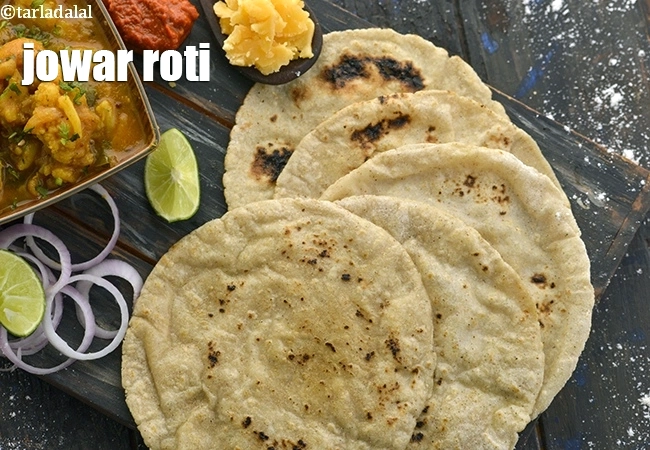
jowar roti recipe | jowar ki roti | healthy jowar roti | sorghum roti
But still, we highly recommend staying alkaline as it has numerous health benefits. Remember that acids are released from the stomach every 3 to 4 hours to breakdown the food we eat. So its always good to eat regular small meals otherwise the acids will attack the lining of the stomach to create acidity.
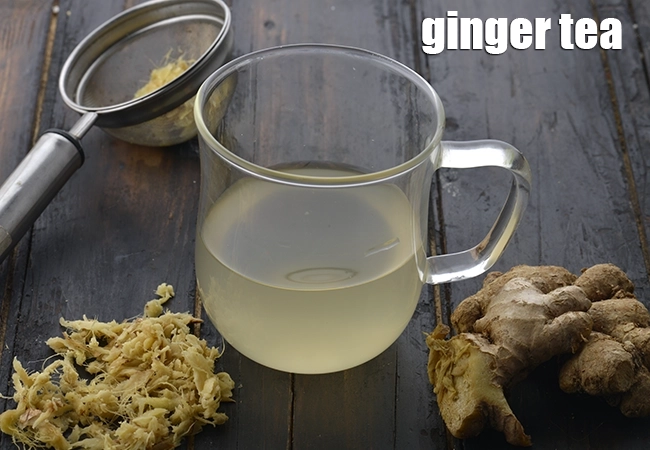
ginger tea Indian style ginger water for cold and cough | ginger water is home remedy for cold, cough | with 7 amazing images. ginger tea recipe is an Indian style ginger water for cold and cough and control acidity which is a super healthy Indian drink to have in the morning. Ginger tea is made from ginger and water and really takes 2 minutes to make.
ginger tea recipe | Indian style ginger water for cold and cough | ginger water is home remedy for cold, cough
five GERD-friendly Indian breakfast recipes
Here are 5 GERD-friendly Indian breakfast recipes that are gentle on the stomach, low in acid triggers (no heavy spices, garlic, onion, tomato, citrus, or fried items), easy to digest, and suitable for most people with acid reflux or heartburn. These focus on alkaline-leaning ingredients like bajra, jowar, moong dal, oats, curd, and mild veggies/fruits, based on common recommendations from Indian health sites and GERD diet guidelines.
Key Guidelines for GERD-Friendly Breakfast
- Eat small portions slowly.
- Avoid lying down for 2–3 hours after eating.
- Use minimal oil/ghee (or none); prefer steaming, boiling, or light tawa roasting.
- Skip raw onion/garlic, excessive chili, citrus, coffee/tea.
- Pair with soothing drinks like ajwain water, tulsi water, or plain buttermilk (no chili).
1. Bajra (Pearl Millet) Roti with Mild Mixed Vegetable Sabzi
- Why GERD-friendly: Bajra is highly alkaline and easy to digest; mild veggies (cabbage, green peas, carrot) are low-acid and fiber-rich without irritation.
- Quick recipe:
- Knead bajra flour with water into soft dough → roll thick rotis → cook on tawa.
- Sabzi: Lightly steam/boil cabbage + green peas + carrot with jeera, hing, and salt (no chili/garlic/onion).
- Serve hot with a small bowl of plain curd.
- Prep time: 20–25 min | Serves: 2
2. Green Moong Dal Chilla (Savory Lentil Pancake)
- Why GERD-friendly: Moong dal is the lightest dal, highly digestible, and low-acid; no fermentation needed.
- Quick recipe:
- Soak 1 cup split moong dal → grind to batter with water, salt, jeera, and a pinch of hing.
- Add grated veggies (carrot, zucchini, or bottle gourd) → spread thin on non-stick tawa → cook both sides with minimal oil.
- Serve with mint-coriander chutney (no chili) or plain curd.
- Prep time: 15–20 min (after soaking) | Serves: 2–3

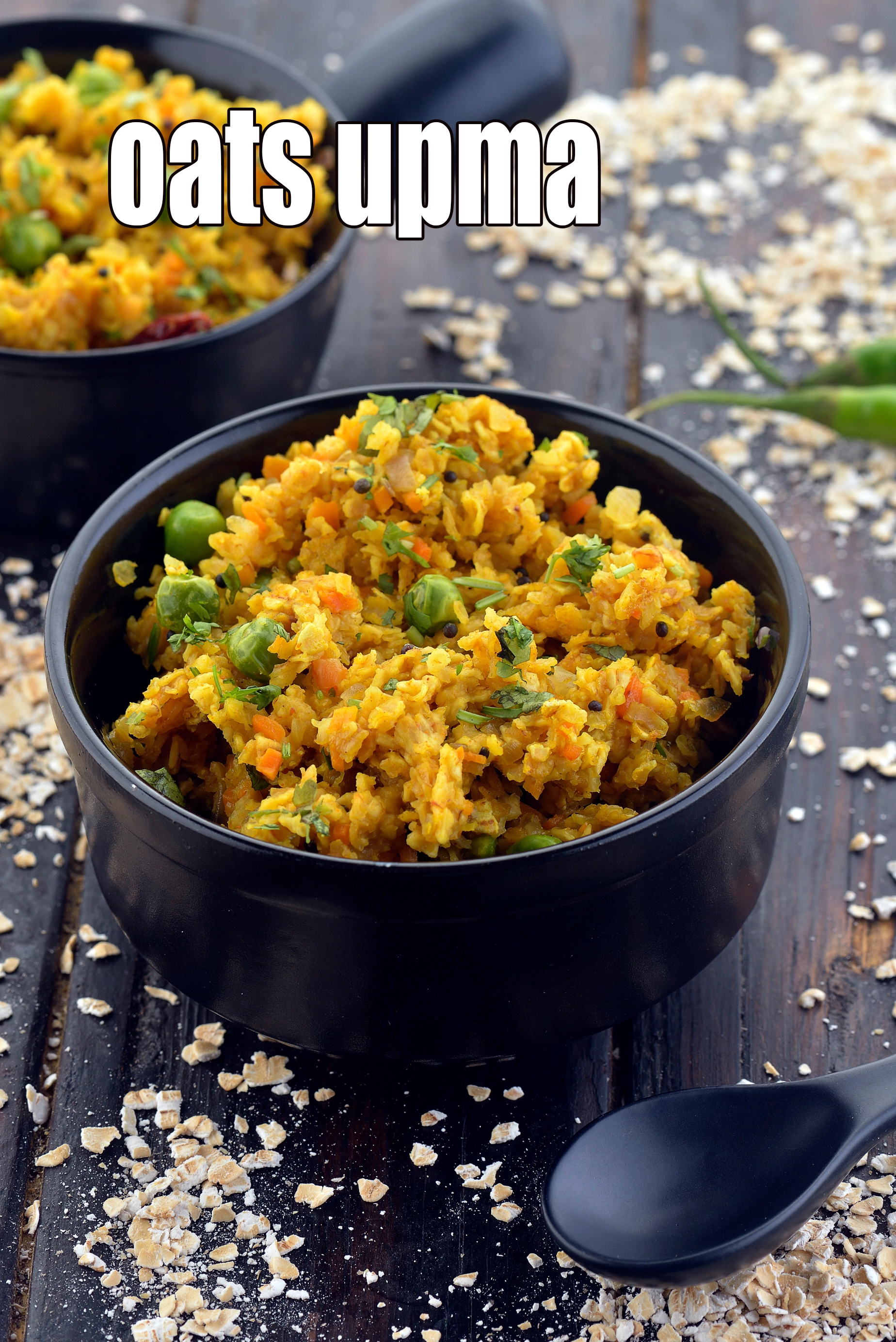
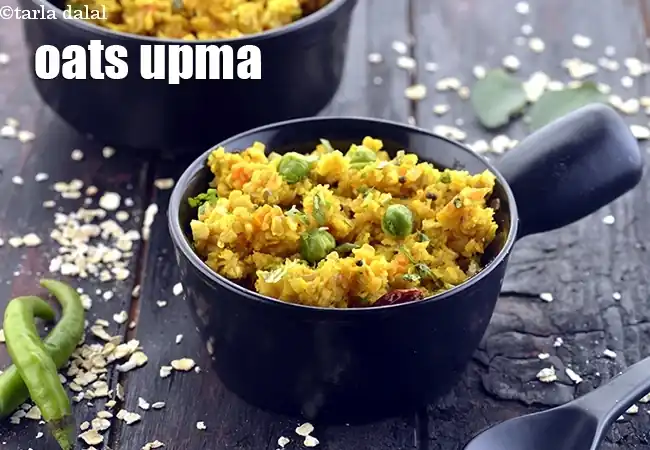
3. Oats Upma (Savory Oats Porridge)
- Why GERD-friendly: Oats are soothing and high in soluble fiber (beta-glucan) that helps coat the stomach lining; mild veggies add bulk without acid.
- Quick recipe:
- Dry roast 1 cup rolled oats → set aside.
- In a pan: heat 1 tsp oil → add jeera + hing → sauté grated carrot, peas, beans → add water + salt → bring to boil → stir in oats → cook 5–7 min until thick.
- Garnish with coriander leaves.
- Prep time: 15 min | Serves: 2
4. Jowar (Sorghum) Roti with Cucumber Raita
- Why GERD-friendly: Jowar is alkaline and gluten-free; cucumber + curd is cooling and low-acid.
- Quick recipe:
- Mix jowar flour with warm water → knead → roll thick rotis → cook on tawa.
- Raita: Grate cucumber → mix with plain curd, roasted jeera powder, salt (no chili).
- Serve together.
- Prep time: 20 min | Serves: 2
5. Plain Curd (Dahi) with Banana or Ripe Papaya
- Why GERD-friendly: Chilled curd is soothing/probiotic; banana and papaya are low-acid, alkaline-forming fruits that coat the stomach.
- Quick recipe:
- Whisk plain homemade curd (low-fat if needed) → add pinch of roasted jeera powder and rock salt.
- Top with sliced ripe banana or papaya chunks.
- Optional: A drizzle of honey (small amount) for sweetness.
- Prep time: 5 min | Serves: 1–2
Brief Note
These breakfasts are gentle, filling, and align with GERD-friendly principles (small meals, low-fat, high-fiber, no triggers). Start your day with lukewarm water or ajwain water for extra relief. Always listen to your body — if something still bothers you, reduce portion size or skip it. Consult a doctor or dietitian for personalized advice, especially if symptoms persist.
Enjoy your gentle, tasty mornings! 🌿 If you'd like full step-by-step recipes, variations, or a 7-day plan, let me know! 😊
What Causes Acidity? Common Triggers Explained
Acidity (also known as acid reflux or heartburn) happens when your stomach produces too much acid or when that acid flows back into the food pipe (esophagus). This leads to that familiar burning sensation in the chest, sour burps, or discomfort.
Here are the most common everyday causes of acidity, especially in Indian lifestyles:
- Irregular Meals & Skipping Meals When you eat at odd times or skip meals for long hours, your stomach keeps producing acid without food to digest. This excess acid irritates the stomach lining and causes acidity. Eating small, frequent meals every 3–4 hours helps prevent this.
- Excessive Oily, Fried & Spicy Foods Indian favorites like pakoras, samosas, heavy gravies, biryani, or very spicy curries (with lots of chili, garam masala, or red chili powder) stimulate more acid production and slow down digestion. Oily foods also relax the lower esophageal sphincter (the valve between stomach and food pipe), allowing acid to reflux easily.
- Stress & Anxiety Stress doesn’t just affect your mind — it directly increases stomach acid secretion and slows digestion. Many people notice acidity worsens during work pressure, exams, or emotional tension. Practicing deep breathing, yoga, or light walks can help manage this trigger.
- Overeating – Especially Before Bedtime Eating large meals (common during festivals or family gatherings) puts pressure on the stomach, forcing acid upward. Lying down soon after a heavy dinner makes it even worse — gravity no longer helps keep acid down. Finish dinner at least 2–3 hours before sleeping.
- Bad Posture After Meals Slouching, bending forward, or lying down right after eating allows stomach acid to flow back into the esophagus more easily. Sitting upright or taking a gentle 10–15 minute walk after meals helps keep acid where it belongs.
- Excessive Alcohol Consumption Alcohol (especially beer, wine, and spirits) relaxes the lower esophageal sphincter and irritates the stomach lining, leading to more acid production and reflux. Even occasional heavy drinking can trigger symptoms the next day.
Quick Tips to Reduce These Triggers
- Eat on time — never stay hungry for too long.
- Choose lighter cooking methods: steam, boil, grill, or shallow sauté instead of deep-frying.
- Manage stress with 5–10 minutes of deep breathing or meditation daily.
- Keep dinner light and early.
- Sit straight or walk slowly after meals.
By avoiding or reducing these common causes, many people see a significant drop in acidity episodes within just a few days.
If symptoms are frequent, severe, or accompanied by weight loss, difficulty swallowing, or chest pain, consult a doctor — it could be GERD or another issue needing medical attention.
Are You Suffering from Acidity? Check These Common Symptoms
Acidity (also called acid reflux or heartburn) is very common, especially with Indian diets full of spices, irregular meals, and stress. Many people ignore early signs until it becomes daily discomfort.
Are you a victim of acidity? Here’s how to find out quickly.
Yes, you might be dealing with acidity if you experience these typical symptoms:
- Burning sensation in the digestive tract The most classic sign — a burning feeling in your chest (heartburn), upper stomach, or throat, often after meals or when lying down.
- Headache Frequent acidity can trigger tension headaches or migraines, especially when acid reflux irritates nerves or causes dehydration from poor digestion.
- Sour or bitter burps (acidic belching) You taste something sour, acidic, or bitter coming up into your mouth — a clear sign that stomach acid is rising into the food pipe.
- Dizziness or lightheadedness due to low blood sugar (hypoglycemia) Irregular meals + acidity can mess with blood sugar levels, leading to sudden dizziness, weakness, shakiness, or feeling faint.
Are you a victim to acidity? Find out here....
Yes, you might be, if you have the following symptoms....
| Symptoms of Acidity | |
|---|---|
| 1. | Burning sensation in the digestive tract |
| 2. | Headache |
| 3. | Sour burps |
| 4. | Dizziness due to hypoglycemia (low blood sugar levels) |
almond butter recipe | homemade Indian style almond butter | chunky almond butter

Food Guide for Acidity – Acidic vs Alkaline Foods
To help manage acidity, heartburn, or acid reflux, it’s useful to know which foods tend to be acidic (may increase symptoms) and which are alkaline (usually soothing and better tolerated).
The foods below are grouped by category and classified based on their natural acidic or alkaline nature. However, some foods behave differently: a few that seem acidic when raw actually become alkaline after digestion and don’t usually trigger acidity.
General rule of thumb If you frequently suffer from acidity, try to limit or avoid most acidic foods and freely enjoy alkaline foods. That said, every person’s body reacts differently — what causes discomfort for one person may be fine for another. Listen to your own body, start with small portions, and notice what works best for you.
Cereals & Grains
- Acidic (limit / eat in moderation): wheat (and wheat flour products like chapati, bread, pasta, noodles, vermicelli), rice, dry corn, poha, rawa (semolina), oats, brown rice, buckwheat, ragi (nachni). → These are nutritious and part of a balanced diet, so don’t completely avoid them. Instead, eat smaller amounts and always pair them with alkaline foods (example: mix rice with lots of vegetables, or have chapati with sprouts). Over time you’ll discover the right quantity for your body.
- Alkaline (usually safe): Jowar (sorghum) and bajra (pearl millet).
Pulses & Legumes
- Acidic (limit): most dals and pulses — especially toor/tuvar dal, soybeans and soy products (soy milk, chunks, granules), besan (chana dal flour).
- Alkaline (usually safe): all kinds of sprouts.
Milk & Dairy Products
- Acidic (limit): cheese, paneer, mayonnaise, butter, cream.
- Neutral / often soothing (eat according to tolerance): chilled milk, curds (yogurt/dahi), ice creams, milkshakes. → These are considered neutral for most people, but reactions vary. Have them in amounts that feel comfortable for you.
Vegetables
- Acidic (limit): white asparagus tips, cooked spinach.
- Alkaline (usually safe): almost all other vegetables — green leafy vegetables (raw spinach, fenugreek/methi, amaranth), lettuce, asparagus greens, cabbage, brinjal, ladies fingers, mushrooms, green peas, cucumber, onions, potatoes, carrots, pumpkin, radish, tomatoes, broccoli
Fruits
- Acidic (limit / careful): plums, olives, prunes, lemon, oranges, pineapple, sweet limes (mosambi), processed/canned fruit juices, canned fruits.
- Alkaline (usually safe): most other fruits — bananas, mangoes, grapes, apples, berries, figs, papaya, peaches, watermelon, chickoo, pear, muskmelon → Note: Some citrus fruits (lemon, orange, pineapple, sweet lime) are acidic when eaten but turn alkaline during digestion and often don’t cause problems. Still, if you already have active acidity, consume them in small amounts that suit you.
Nuts & Oilseeds
- Acidic (limit): dry coconut, walnuts, peanuts, cashewnuts.
- Alkaline (usually safe): Almonds, dry figs, dry dates, raisins, apricots and fresh coconut.
Miscellaneous
- Acidic (strongly limit / avoid): tea, coffee, alcohol, vinegar, aerated/fizzy drinks, very spicy foods, fried foods, pickles, chocolate, MSG (monosodium glutamate), margarine, fermented foods (idlis, dosas, dhoklas, etc.), sweets/mithai, sugar, artificial sweeteners, non-vegetarian foods, eggs, heavily processed foods.
- Alkaline / soothing (usually safe): Ginger tea, herbal tea, honey and cinnamon.
Important Final Notes
- The classifications above are general guidelines to help you make smarter daily choices — they are not strict rules.
- Reactions are highly individual. A food that causes acidity for someone else may be perfectly fine for you (and vice versa).
- Experiment mindfully: start with small quantities, combine acidic foods with alkaline ones (e.g., rice + lots of veggies), and track how your body responds over a few weeks.
- The goal is not to eliminate entire food groups, but to find a balanced, enjoyable way of eating that keeps acidity under control.
Indian Cereals and Flours good for Acidity
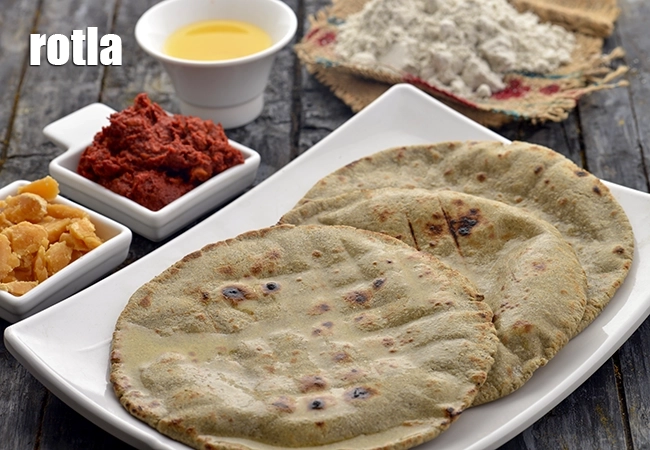
Cereals like jowar and bajra are considered to be most alkaline and thus good for gut. Have Bajra Rotla with a sabzi of your choice.
rotla recipe | bajra rotla | Gujarati style bajra rotla | healthy pearl millet roti
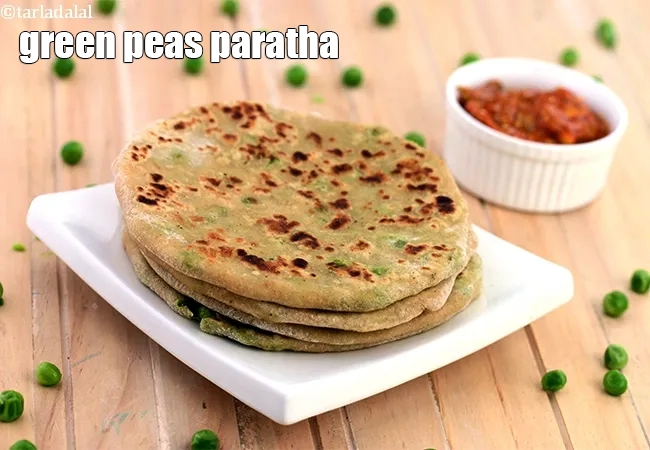
green peas paratha recipe | matar paratha | Indian style stuffed green pea paratha | peas paratha for acidity | Make your stomach smile again, with this yummy and healthy Indian style stuffed green pea paratha. Green pea is said to be alkaline, and when combined with wheat flour and jowar flour, it helps to balance the acid-alkaline ratio.
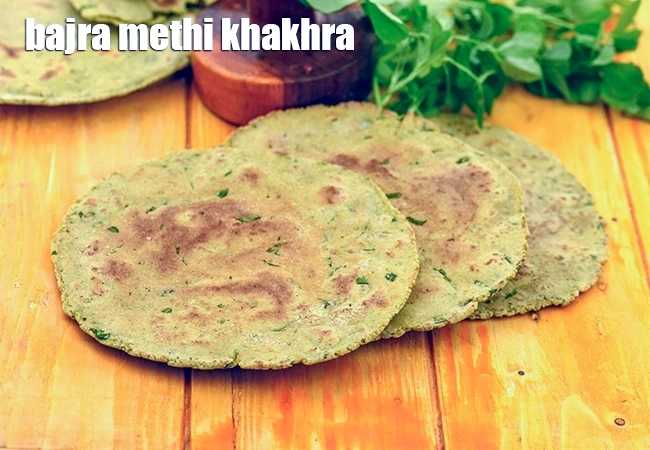
At snack time you can try making Bajra Methi Khakhra | gluten free khakhra | bajra methi rice flour khakhra Make them in advance and carry to work. Eating at regular intervals is very important to avid acidity. Munch on them as a healthy snack.
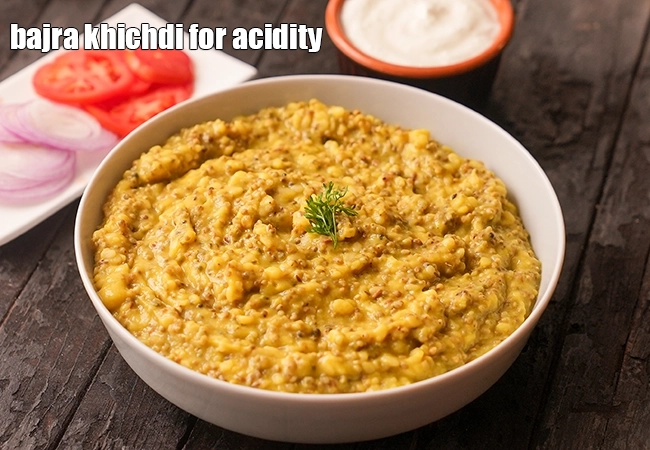
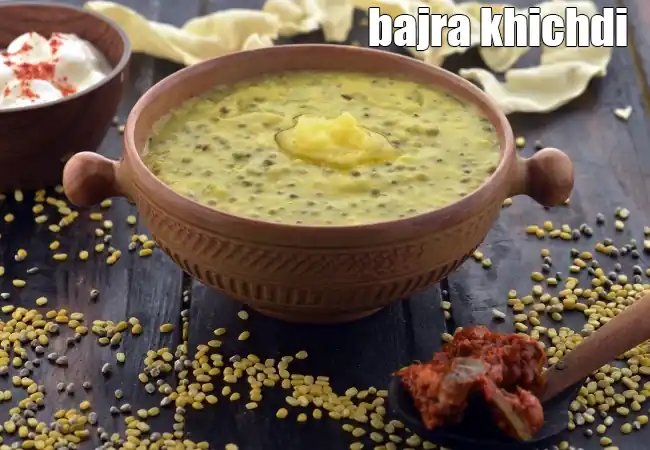
bajra khichdi for acidity recipe | healthy bajra khichdi to control acidity | bajre ki khichdi Indian style
Acidic Foods to be Limited or Avoided, Acid Reflux Foods to be Avoided
Living with acidity, heartburn or acid reflux can be really uncomfortable — that burning feeling is no fun at all! The good news is that small changes in what we eat can make a big difference.
This quick guide walks you through 38 Indian foods to avoid for acidity that often trigger or worsen acidity symptoms. Many of them are everyday staples we love, but they can irritate the stomach lining, increase acid production or relax the valve between the stomach and food pipe.
Here’s the list — try to reduce or avoid these when your acidity is active, and see how your body feels:
- Coffee
- Alcohol
- Vinegar
- Aerated Beverages (fizzy drinks, soda)
- Spicy Foods
- MSG (Mono Sodium Glutamate) — commonly found in Chinese/processed foods
- Idlis (and other fermented foods)
- Dosas (and other fermented foods)
- Appams, (and other fermented foods)
- Rasgulla
- Gulab Jamun
- Chikki
- Pedas
- Ladoo
- Sugar (in large amounts)
- Artificial Sweeteners
- Eggs
- Bread
- Pasta
- Noodles
- Rawa (Sooji / Semolina)
- Maida (Refined Flour)
- Poha (Beaten Rice)
- Cheese
- Paneer
- Mayonnaise
- Butter
- Walnuts
- Peanuts
- Processed Fruit Juices
- Canned Fruits
- Tuvar Dal (Toor / Arhar Dal)
- Soybeans (and soy products like chunks, granules, soy milk)
- Besan (Chana Dal Flour)
- Rice (especially white rice in large amounts)
- Cooked Spinach
- Oats (in some people — reactions vary)
A few gentle reminders
- Not every item on this list will bother everyone the same way — your body is unique!
- Many of these (like rice, oats, paneer, tuvar dal) are nutritious, so you don’t have to give them up completely. Just eat smaller portions, pair them with soothing foods (like curd, cucumber, or lots of veggies), and notice what feels good for you.
- Focus on reducing rather than completely banning — small mindful swaps usually bring the biggest relief.
If you avoid or cut back on most of these when symptoms flare up, many people notice a big improvement in just a few days. You’ve got this! 🌿
Dals and Pulses for Acidity
Amongst the dals, moong dal is the easiest in digestion. You should avoid toovar dal as it may cause indigestion and heartburn. It leads to bloating in some too.
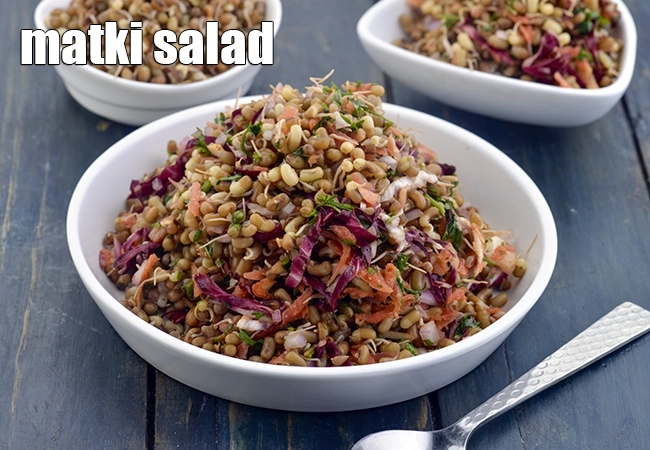
Sprouted Moong Salad is a healthy option. Tossed with some onions and tomatoes along with lemon juice and coriander for added flavour, it’s an easy option to make. However, remember to opt for sprouts in first half of the day so you get enough time to digest. Do not eat sprouts for dinner. It may cause heartburn and bloating.
matki salad recipe | healthy sprouts salad | easy sprouts salad | how to make healthy moth bean salad recipe
Thirty-Day Indian Acidity Diet Plan
designed specifically for managing acidity, heartburn, acid reflux, and GERD.
Core Principles (from Tarla Dalal's advice)
- Eat small, frequent meals (5–6 times/day) every 3–4 hours to prevent excess acid buildup.
- Finish dinner 2–3 hours before bedtime.
- Prefer jowar, bajra, moong dal, sprouts (daytime only), curd, buttermilk, green vegetables, non-citrus fruits, mild spices (jeera, ajwain, hing).
- Strictly avoid or minimize: spicy/oily/fried foods, pickles, fermented items (idli/dosa in excess), tea/coffee, citrus, tomatoes/onions/garlic raw, processed sweets, chocolate, alcohol, aerated drinks.
- Drink plenty of water + soothing drinks (ajwain water, tulsi water, ginger tea, pudina green tea, chaas without chilli).
- Use minimal oil (preferably peanut or rice bran in small amounts); prefer steaming, boiling, shallow sauté.
- Start day with lukewarm water or ajwain/tulsi water.
Weekly Rotation Pattern (repeat Weeks 1–4 with minor swaps)
- Breakfast (~7:30–8:30 AM) — Alkaline grains + mild veg/protein
- Mid-morning (~10:30–11:00 AM) — Fruit or soothing drink
- Lunch (~1:00–2:00 PM) — Grain + dal/veg + curd/chaas
- Evening snack (~4:00–5:00 PM) — Light alkaline snack
- Dinner (~7:00–8:00 PM) — Light, early, easy-to-digest
- Bedtime (optional) — Warm milk or tulsi water if needed
30-Day Sample Plan (Weeks 1–4)
Week 1 – Focus: Bajra & Moong Introduction
Day 1 Breakfast: Bajra Roti + mixed veg sabzi (cabbage + green peas) → Bajra Roti: https://www.tarladalal.com/bajra-roti-3892r → Cabbage Vatana nu Shaak (cabbage + green peas sabzi): https://www.tarladalal.com/cabbage-vatana-nu-shaak-35931r

Mid-morning: Banana (no recipe needed – whole fruit)
Lunch: Bajra Khichdi + plain curd → Bajra Khichdi: https://www.tarladalal.com/bajra-khichdi---rajasthani-3894r → Plain Curd (homemade dahi): https://www.tarladalal.com/how-to-make-curd-or-dahi-at-home-2790r
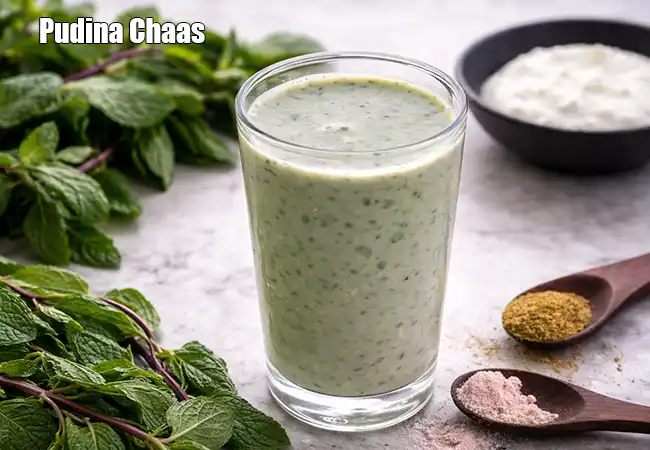
Evening: Mint chaas (no chilli) → Pudina Chaas (Mint Chaas): https://www.tarladalal.com/pudina-chaas-mint-chaas-recipe-758r (omit green chilli if present in variation)
Dinner: Mixed Vegetable Clear Soup + Oats Roti → Mixed Vegetable Clear Soup: https://www.tarladalal.com/mixed-vegetable-clear-soup-4203r → Oats Roti: https://www.tarladalal.com/healthy-oats-roti-oats-paratha-5286r
Day 2 Breakfast: Oats Roti + cucumber raita → Oats Roti: https://www.tarladalal.com/healthy-oats-roti-oats-paratha-5286r → Cucumber Raita (simple version): Use basic curd + cucumber (no specific page, but curd base: https://www.tarladalal.com/how-to-make-curd-or-dahi-at-home-2790r)
Mid-morning: Apple (whole fruit)
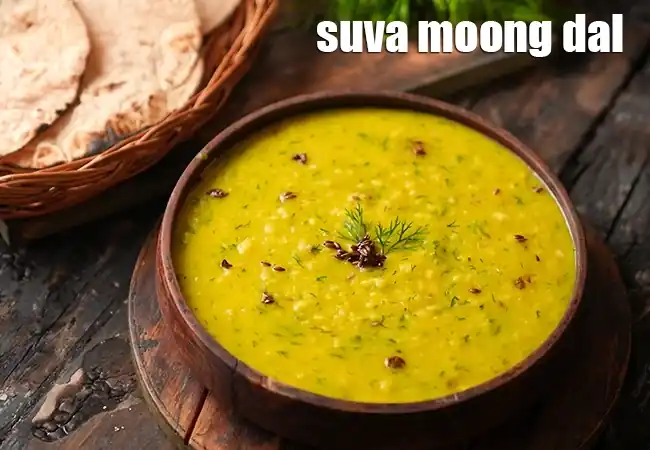
Lunch: Moong dal + steamed rice + carrot-beet sabzi → Moong Dal (mild): Use basic moong dal khichdi style or simple boiled – closest: https://www.tarladalal.com/suva-moong-dal-22371r (acidity-friendly)
Evening: Sprouted Moong Salad (small portion) → Sprouted Moong Salad: https://www.tarladalal.com/sprouted-moong-salad-1350r
Dinner: Cabbage Vatana nu Shaak + Bajra Rotla → Cabbage Vatana nu Shaak: https://www.tarladalal.com/cabbage-vatana-nu-shaak-35931r → Bajra Rotla (Gujarati style): https://www.tarladalal.com/rotla--gujarat-recipe-bajra-na-rotla-recipe-629r
Day 3 Breakfast: Jowar Roti + methi sabzi (mild) → Jowar Roti: Search "jowar roti" on site → Example close match: https://www.tarladalal.com/jowar-roti-41569r
Mid-morning: Papaya (whole fruit)
Lunch: Barley Moong Dal Vegetable Khichdi + curd → Closest: Bajra & Moong Dal Khichdi style → https://www.tarladalal.com/bajra-and-moong-dal-khichdi-2984r (adapt with barley if available)
Evening: Ajwain water + handful almonds → Ajwain Water: https://www.tarladalal.com/ajwain-water-41751r
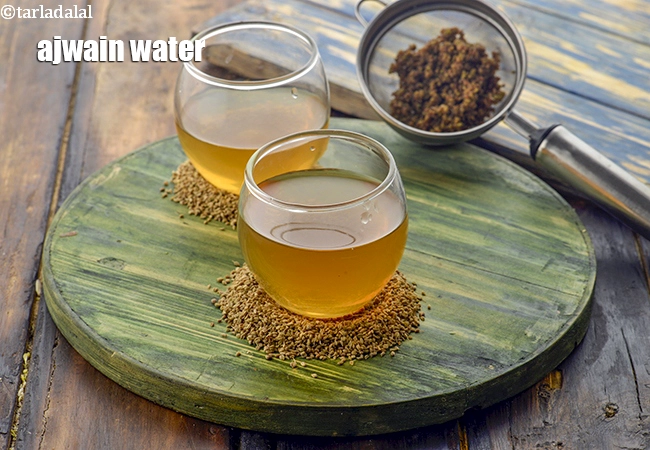
- Dinner: Broccoli Carrot Clear Broth + plain paratha (small) → Broccoli Broth (Healthy Clear Broccoli Carrot Soup): https://www.tarladalal.com/broccoli-broth-healthy-clear-broccoli-carrot-soup-4623r → Plain Paratha: https://www.tarladalal.com/parathas--plain-paratha-basic-paratha-recipe-2170r
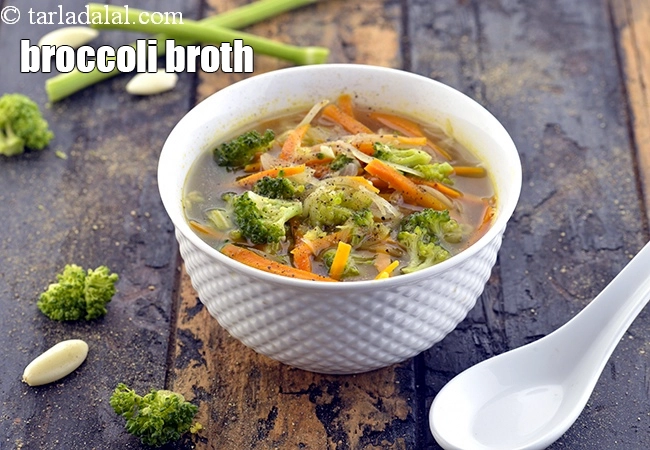
Days 4–7: Rotate Days 1–3 + swap similar recipes (e.g., use Rotla instead of Bajra Roti on Day 7).
Week 2 – Focus: More Vegetables & Sprouts (daytime only)
- Use the same breakfast/lunch/dinner patterns as Week 1.
- Add variations:
- Carrot Methi Sabzi → Search "carrot methi" on site (no exact match, but use mild sabzi style).
- Gavarfali ki Sukhi Subzi → Search "cluster beans" on site.
- Lettuce, Tomato & Cucumber Salad → Adapt from Sprouted Moong Salad base.
Week 3 – Focus: Dairy Soothing + Light Khichdi/Rice
- Breakfast: Plain curd with banana → Curd: https://www.tarladalal.com/how-to-make-curd-or-dahi-at-home-2790r
- Lunch/Dinner: Cucumber Curd Rice → Adapt from basic curd rice (no exact acidity page, but safe).
- Evening: Muskmelon / Chickoo / Pear (whole fruits).
Week 4 – Focus: Consolidation + Variety
- Reuse links from Weeks 1–3.
- Add: Almond Bhakri (gluten-free) → Search "almond bhakri" on site (example: https://www.tarladalal.com/almond-bhakri-gluten-free-almond-bhakri-41121r if available).
Extra Tips for Success
- Chew slowly, eat in calm environment.
- After meals → walk 10–15 min or sit upright.
- If severe → consult doctor (this is not medical advice).
- Track symptoms in a diary → adjust portions/spices.
- Drink ajwain/tulsi water first thing in morning.
Dairy Products for Acidity
Dairy products like milk and paneer are digested differently by different individuals. They are said to be neutral. But its use is solely dependent on whether you can tolerate it or no. So have them in small quantities that suit you.
Some feel having a chilled glass of Rose milk, helps to overcome acidity. Try adding little less quantity of rose syrup, as it is made with excess sugar which can be one of the reasons for acidity.
rose milk recipe | rose milk with sabza seeds | easy Indian summer cooler drink | rose milk with rose syrup
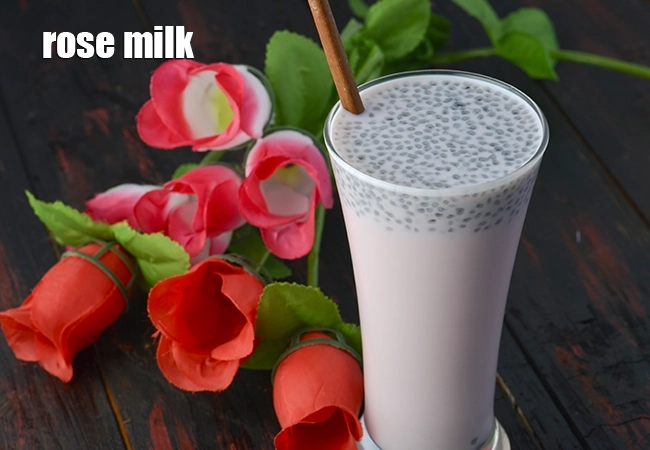
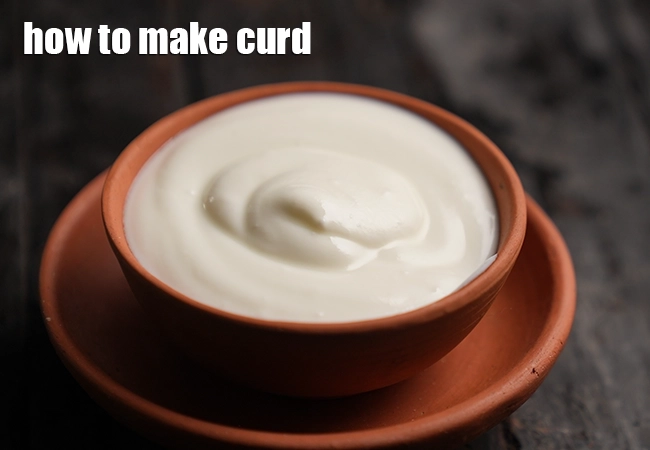
We would recommend that you opt for plain bowl of curd. The reason is that curd is probiotic. It is easily digestible and soothing to the digestive tract.
curd recipe | dahi recipe | how to make curd | homemade dahi | full fat curds
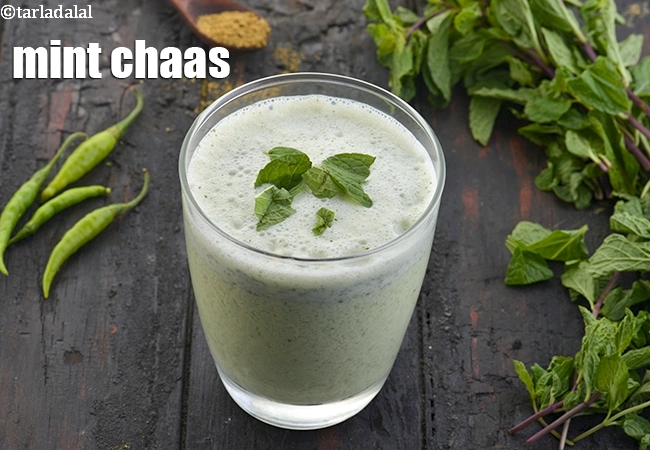
Alternatively try Mint Chaas | spicy Punjabi mint chaas | mint buttermilk | pudina chaas. Buttermilk is known to be pleasing to the stomach. Remember to not add green chillies in this recipe.
Fruits for Acidity
All fruits like bananas, mangoes, grapes, apples, berries, figs, papaya, peaches, watermelon, chickoo, pear, muskmelon etc. are in the allowed list for acidity. Whole fruits are best. Have them in between meals to keep acidity at bay.
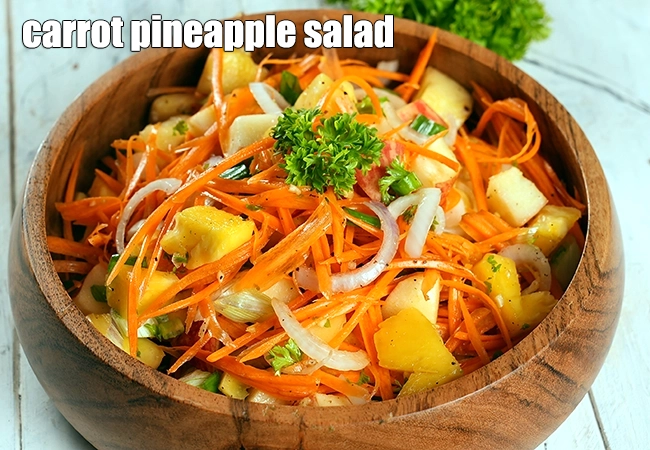
carrot pineapple salad recipe | pineapple carrot Indian salad with onions | phosphorus and fibre rich fruit veg salad | pineapple carrot Indian salad with onions is a succulent salad of carrots, pineapples, apple, parsley and spring onions perked up with a dressing of extra virgin olive oil, ginger, garlic and sea salt.
Indian Drinks for Acidity
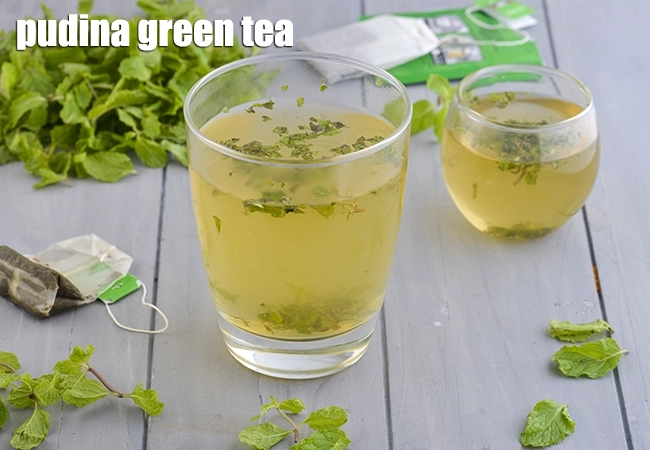
All readymade fruit juices, canned juices, tea, coffee, alcohol and aerated drinks top the list of avoid foods for acidity. Opt for herbal tea Pudina Green Tea or fresh juices.
pudina green tea recipe | mint leaves green tea | healthy pudina green tea
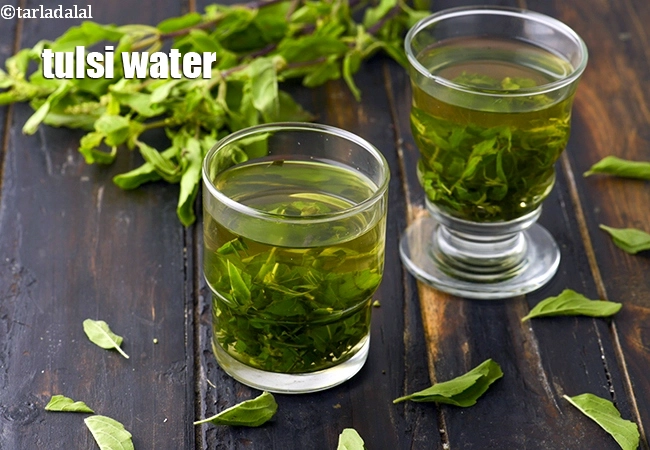
Sipping on Tulsi Water tulsi water | 100% tulsi water | holy basil water | indian tulsi water two or three times a day helps to keep acidity at bay. Have a glass of it early in the morning before eating anything else, and you are all set to face the day with josh!
FAQs
1. What is acidity and acid reflux?
Acidity is a digestive condition where excess stomach acid causes a burning sensation in the chest or stomach. Acid reflux occurs when this acid flows back into the food pipe, causing heartburn and discomfort. Learn more about GERD symptoms and causes from Mayo Clinic.
2. Which Indian foods should be avoided during acidity?
Foods like spicy curries, fried snacks, sweets, fermented foods (idli, dosa), coffee, alcohol, aerated drinks, and refined flour products should be avoided as they can trigger acidity. See NIDDK’s list of common GERD trigger foods.
3. Can sweets increase acidity and acid reflux?
Yes, sugar-rich sweets such as gulab jamun, rasgulla, ladoo, and halwa can increase stomach acid production and worsen acidity and acid reflux symptoms.
4. Are spicy foods bad for acidity?
Spicy foods irritate the stomach lining and the food pipe, leading to increased acid secretion. This can worsen acid reflux and should be limited or avoided.
5. Do coffee and tea cause acidity?
Yes, coffee and tea stimulate acid production in the stomach and relax the lower esophageal sphincter, increasing the risk of acid reflux. Cleveland Clinic explains how caffeine affects acid reflux.
6. Are fermented foods harmful for people with acidity?
Fermented foods like idli, dosa, and appam may cause bloating and acidity in sensitive individuals and should be eaten in moderation or avoided during active symptoms.
7. What foods help reduce acidity naturally?
Foods like curd, bananas, oats, moong dal, jowar roti, coconut water, and tulsi water are soothing for the stomach and help reduce acidity. Johns Hopkins shares more on foods that may help prevent reflux.
8. Is eating late at night bad for acidity?
Yes, eating late at night or lying down immediately after meals increases the risk of acid reflux. It is best to finish meals at least 2–3 hours before bedtime.
9. Can lifestyle changes help control acidity?
Yes, eating small frequent meals, avoiding stress, maintaining proper posture after meals, exercising regularly, and following a balanced diet can significantly reduce acidity.
10. When should I consult a doctor for acidity?
If acidity or acid reflux symptoms occur frequently, are severe, or do not improve with dietary changes, it is advisable to consult a healthcare professional.
Medical Disclaimer
Disclaimer: The information provided in this article is for educational and informational purposes only and is not intended as medical advice. Acidity and acid reflux symptoms may vary from person to person. Always consult a qualified healthcare professional, doctor, or nutritionist before making any dietary changes, especially if you have chronic acidity, acid reflux, or other medical conditions.
Enjoy our acidity recipes and other acidity articles below.
Acidity Breakfast and Snacks
Acidity Dals & Kadhis
Acidity Drinks
Acidity Rotis & Parathas
Acidity Salads
Acidity Soups
Acidity Subzis
Acidity Rice, Pulao & Khichdi
Aids Hiv Diet
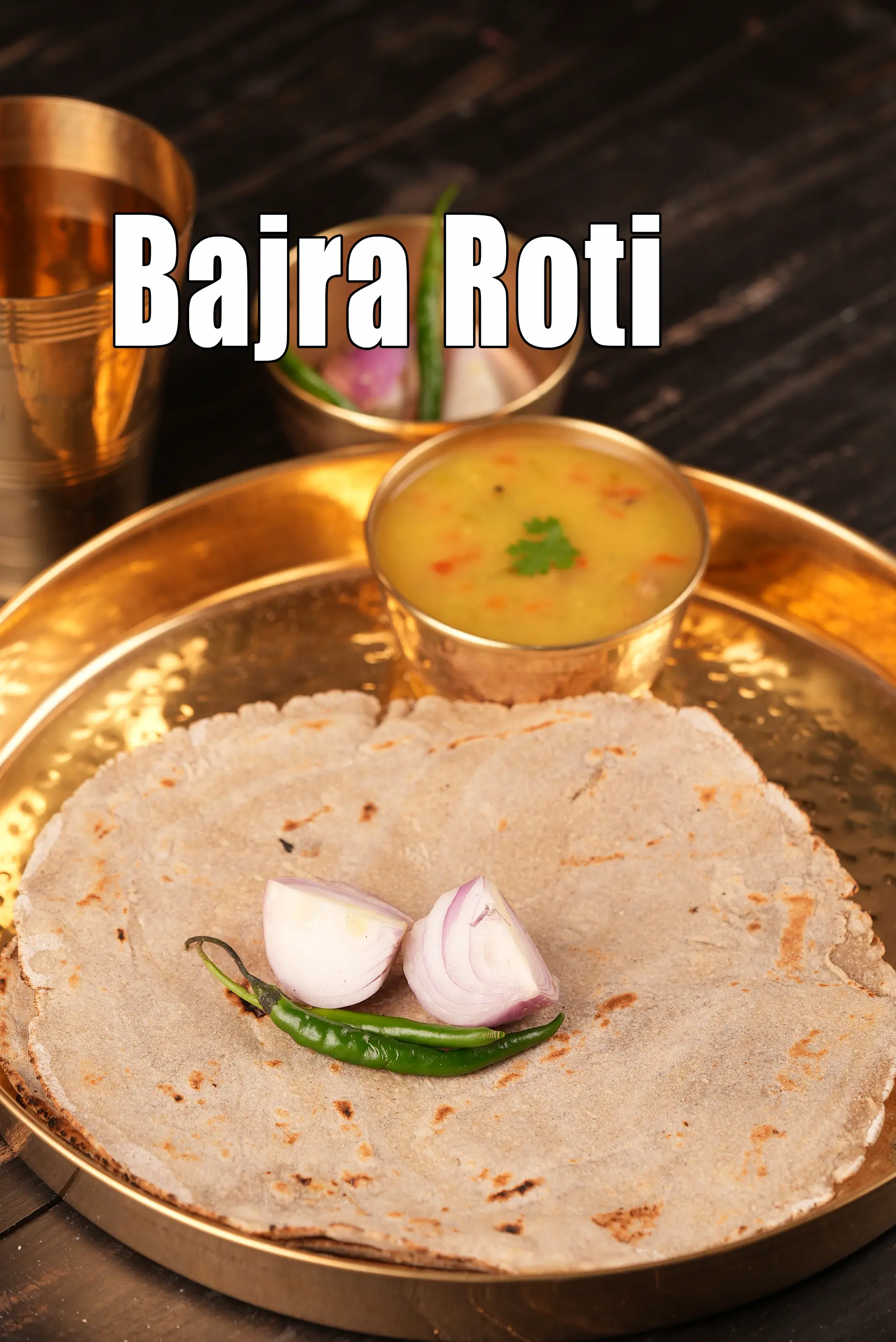
bajra roti recipe | bajre ki roti | healthy pearl millet roti | Rajasthani bajra roti | Sajje … More..
Recipe# 3360
08 October, 2019
calories per serving
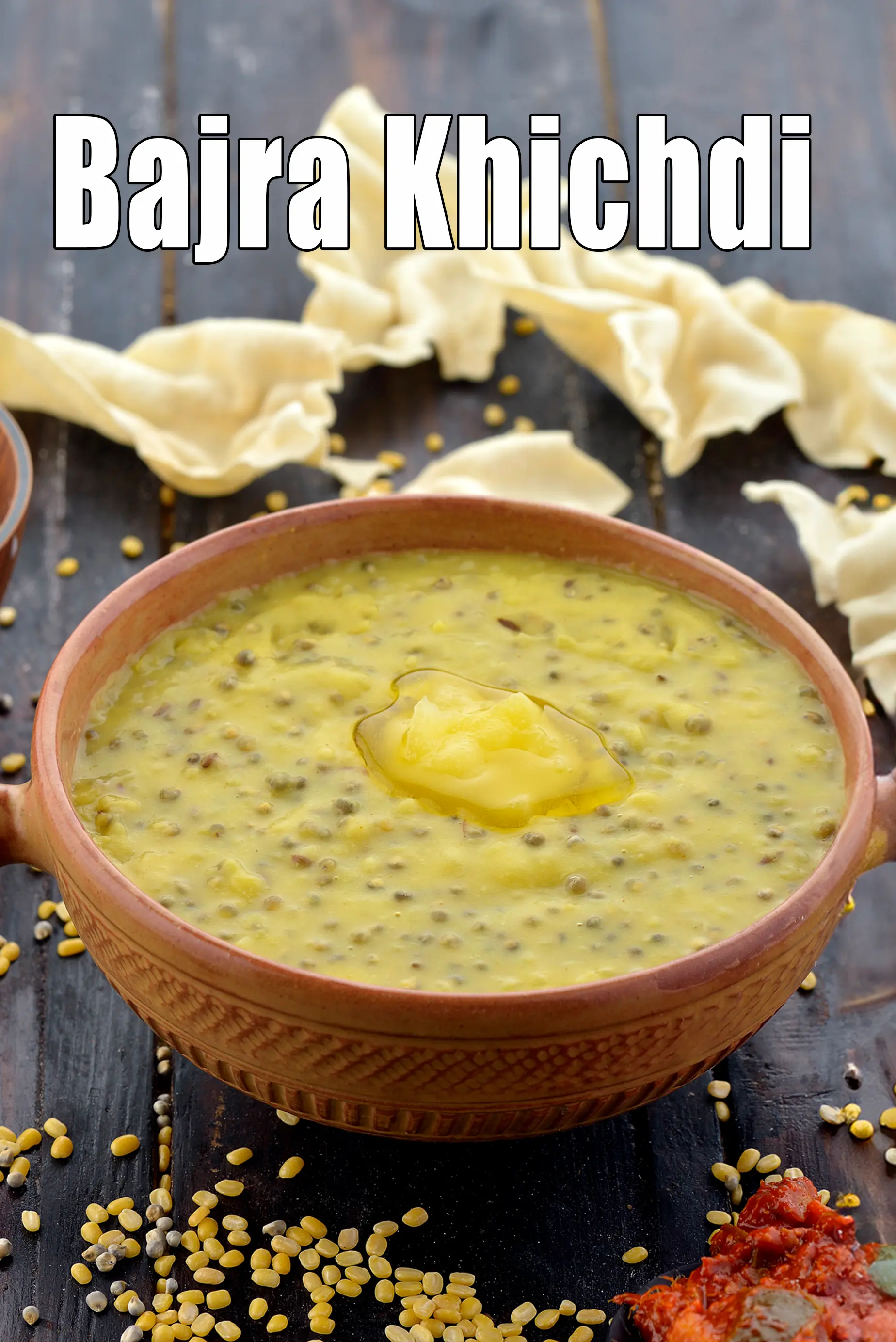
bajra khichdi recipe | Rajasthani bajra khichdi | healthy black millet Indian khichdi | with 20 amazing images.When … More..
Recipe# 3362
19 February, 2021
calories per serving
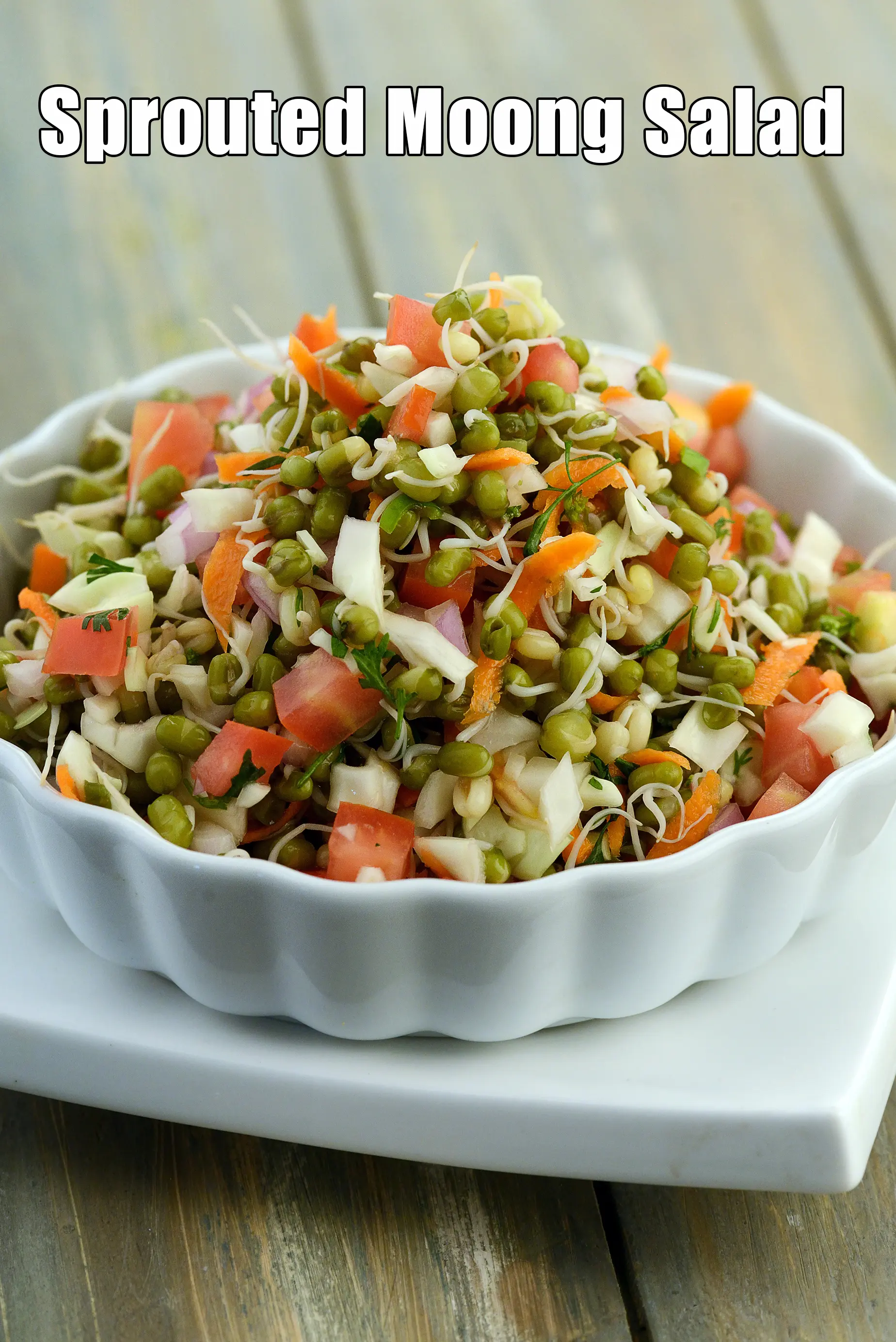
sprouted moong salad recipe | moong salad | healthy moong salad | moong veg salad | with 15 … More..
Recipe# 2109
21 November, 2019
calories per serving

The natural goodness of vegetables provides essential vitamins that support immunity, while the warm liquid helps ease throat … More..
Recipe# 3485
06 December, 2021
calories per serving
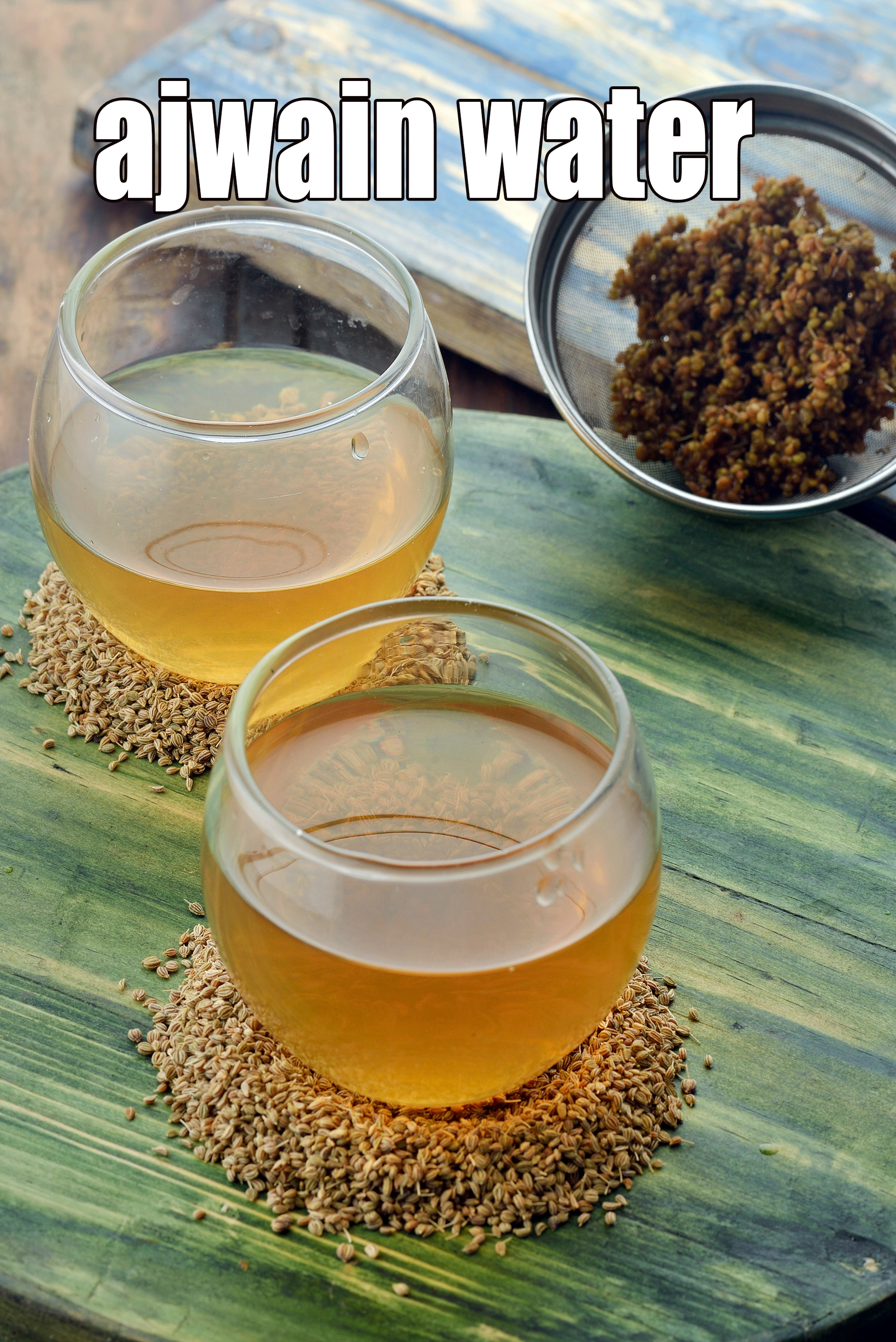
ajwain water recipe | ajwain water for weight loss | ajwain water relieves acidity | ajwain water in … More..
Recipe# 6898
15 December, 2022
calories per serving
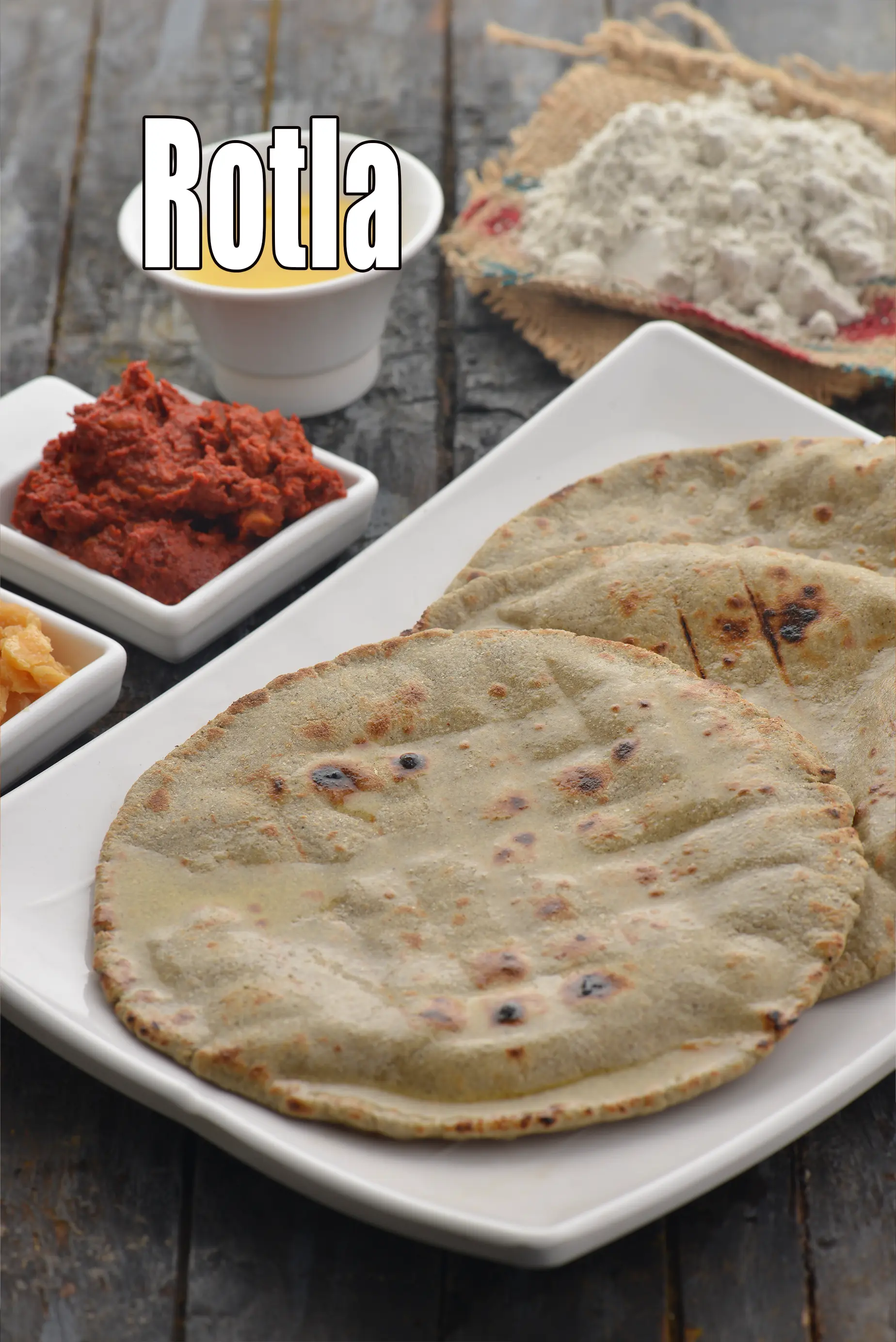
rotla recipe | bajra rotla | Gujarati style bajra rotla | healthy pearl millet roti | with amazing … More..
Recipe# 1821
01 January, 2020
calories per serving
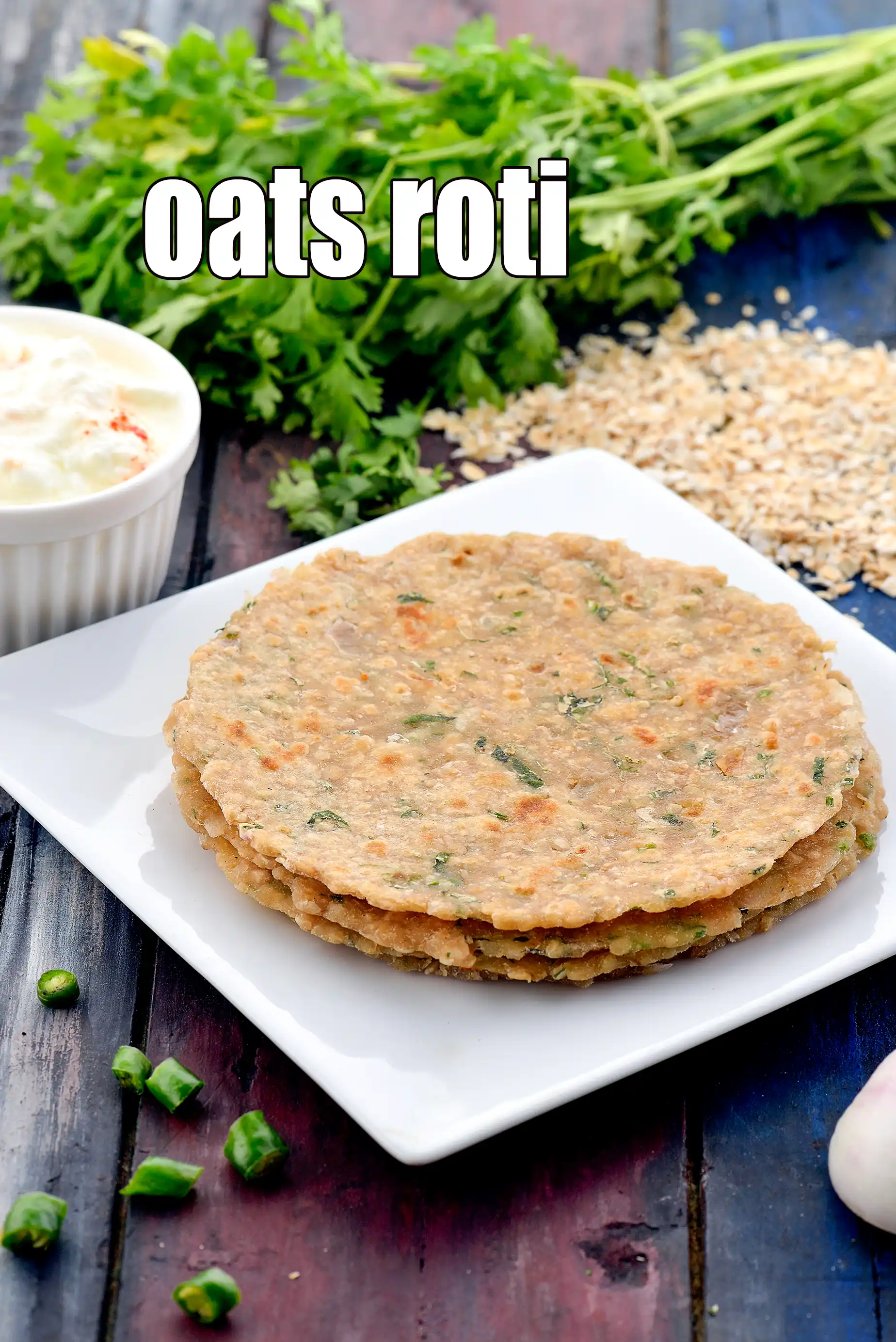
oats roti recipe | oats paratha | oats roti for weight loss | healthy oats roti | with … More..
Recipe# 3747
09 April, 2022
calories per serving
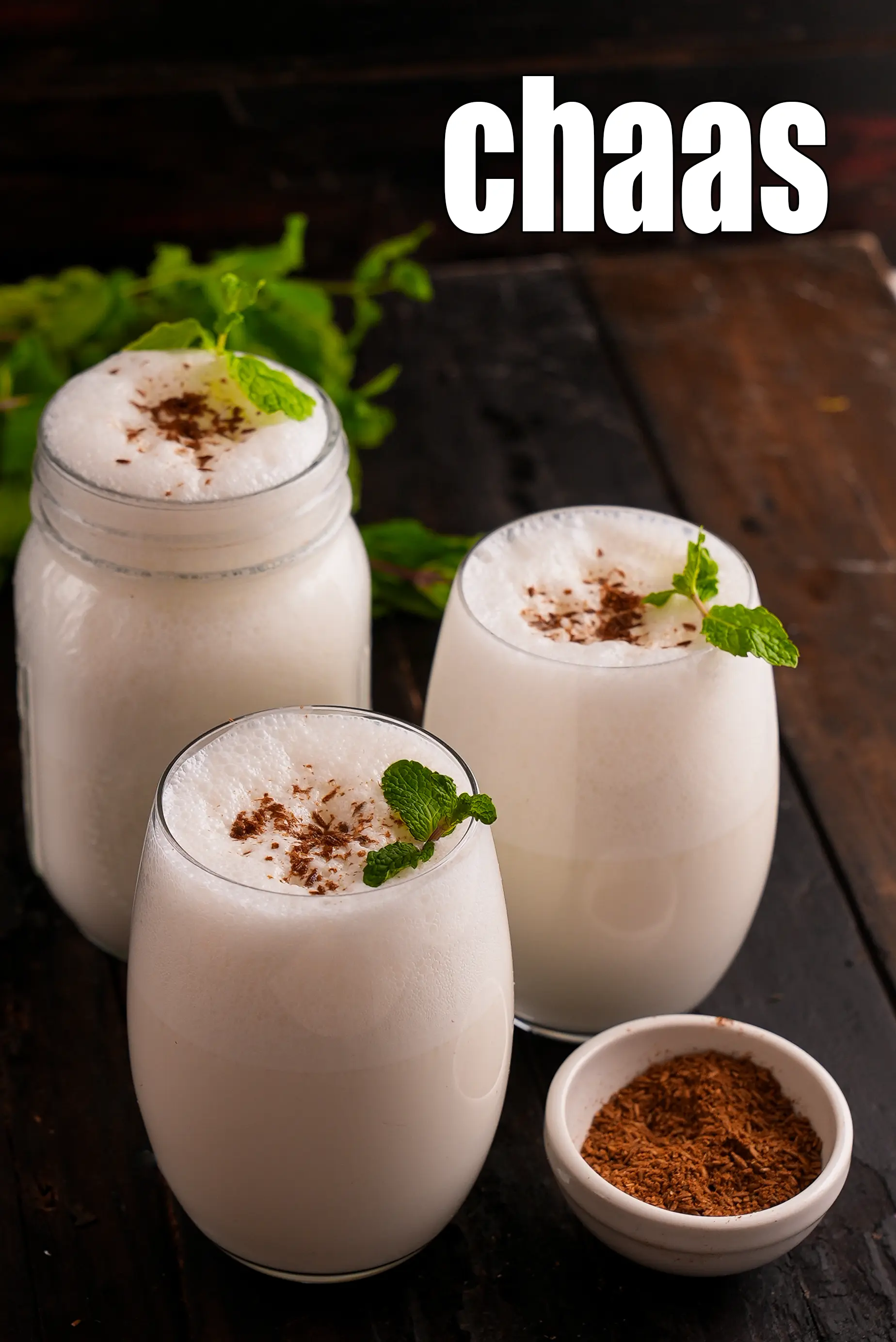
chaas recipe | plain Indian buttermilk recipe | plain chaas protein, calcium rich | with 12 amazing images.The … More..
Recipe# 1761
19 December, 2019
calories per serving
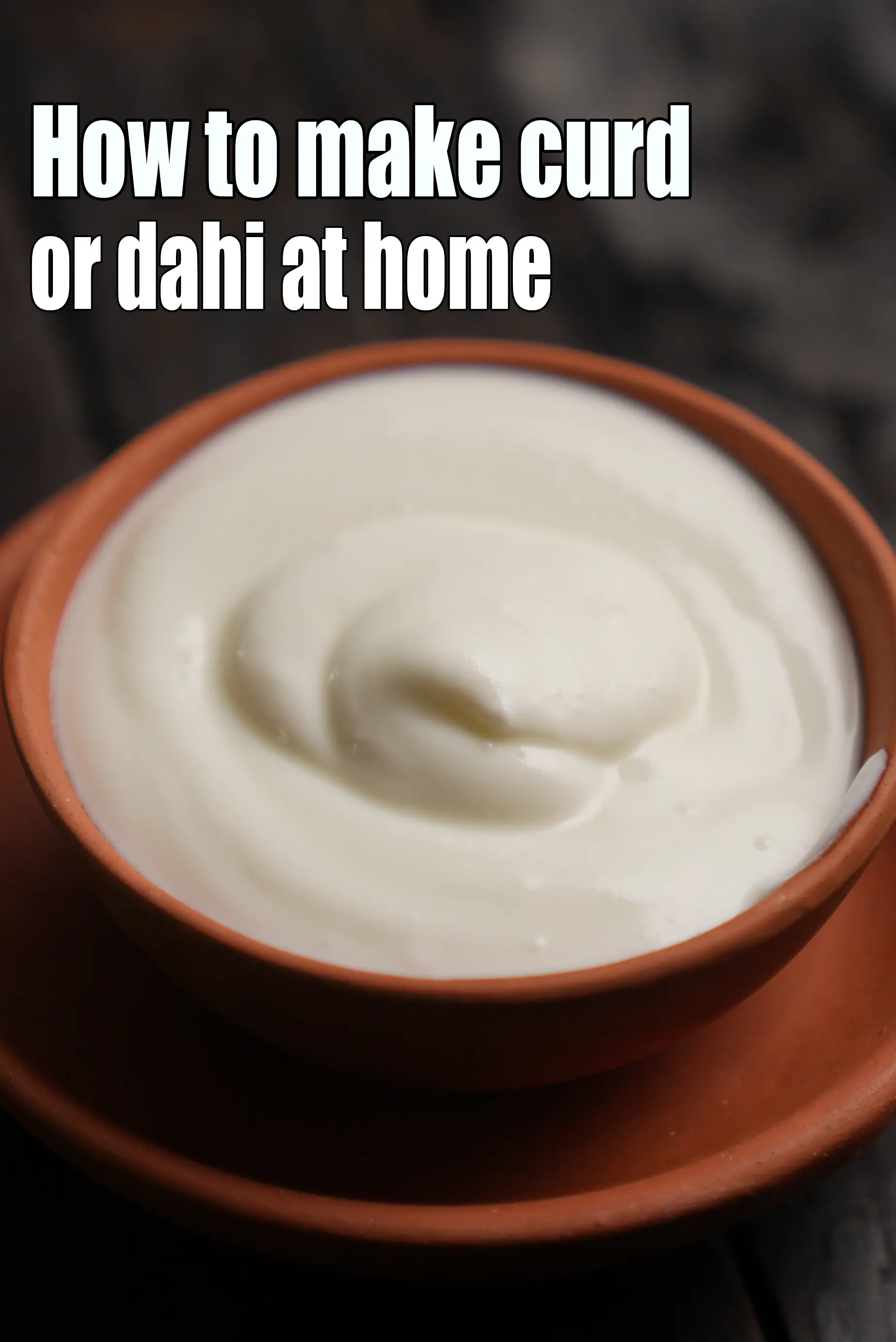
We show you how to make curd. To make dahi, firstly you need to choose correct milk that … More..
Recipe# 139
20 April, 2020
calories per serving
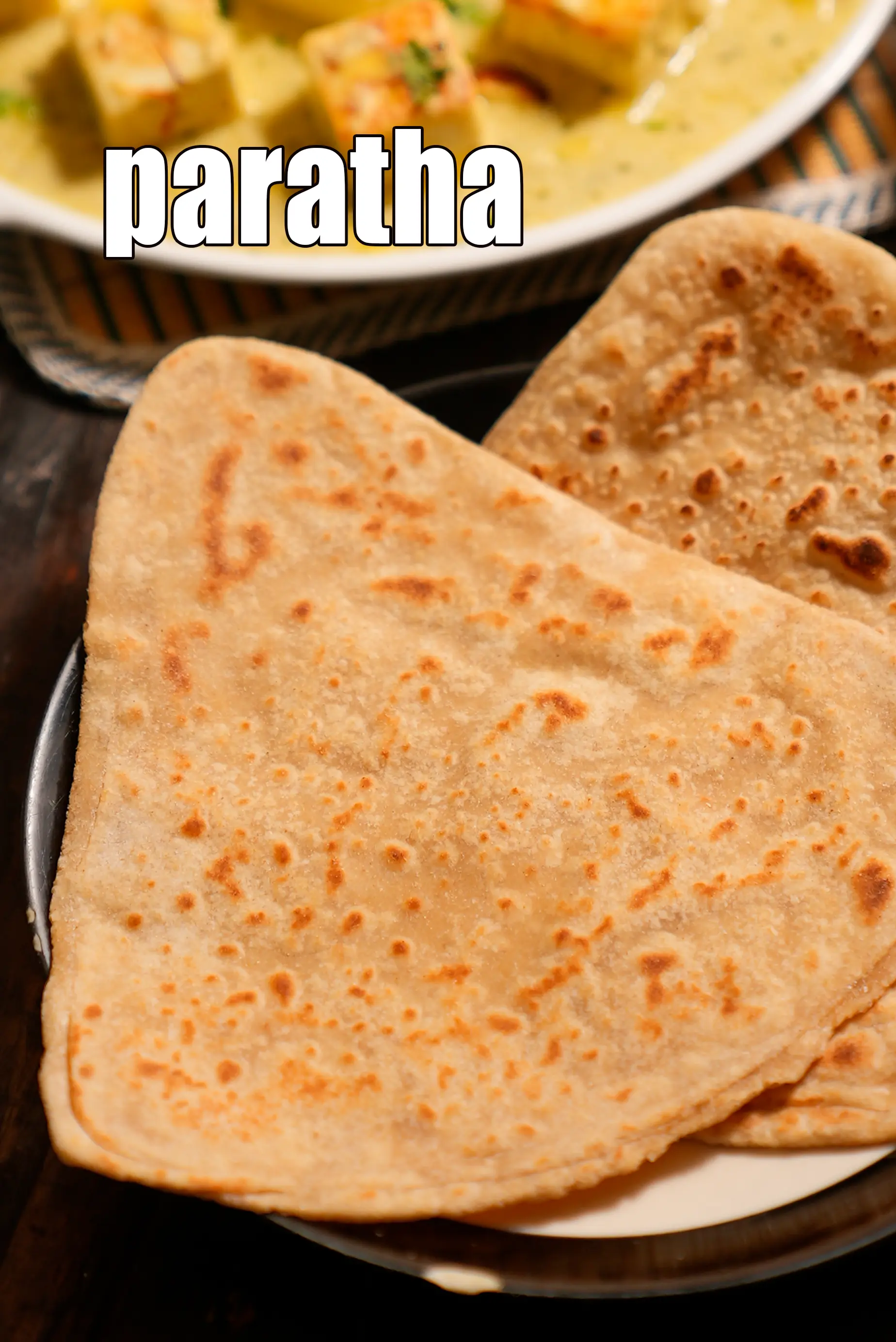
paratha recipe | plain paratha | basic Punjabi paratha | Indian flatbread | healthy whole wheat flour paratha … More..
Recipe# 2639
03 October, 2025
calories per serving
calories per serving
bajra roti recipe | bajre ki roti | healthy pearl millet roti | Rajasthani bajra roti | Sajje … More..
calories per serving
bajra khichdi recipe | Rajasthani bajra khichdi | healthy black millet Indian khichdi | with 20 amazing images.When … More..
calories per serving
sprouted moong salad recipe | moong salad | healthy moong salad | moong veg salad | with 15 … More..
calories per serving
The natural goodness of vegetables provides essential vitamins that support immunity, while the warm liquid helps ease throat … More..
calories per serving
ajwain water recipe | ajwain water for weight loss | ajwain water relieves acidity | ajwain water in … More..
calories per serving
rotla recipe | bajra rotla | Gujarati style bajra rotla | healthy pearl millet roti | with amazing … More..
calories per serving
oats roti recipe | oats paratha | oats roti for weight loss | healthy oats roti | with … More..
calories per serving
chaas recipe | plain Indian buttermilk recipe | plain chaas protein, calcium rich | with 12 amazing images.The … More..
calories per serving
We show you how to make curd. To make dahi, firstly you need to choose correct milk that … More..
calories per serving
paratha recipe | plain paratha | basic Punjabi paratha | Indian flatbread | healthy whole wheat flour paratha … More..


Related Recipes
Follow US
Recipe Categories
- Vitamin B12 Cobalamin Rich 35 recipes
- Low Calorie, Weight Loss Indian 423 recipes
- Low Cholesterol Indian 314 recipes
- Healthy Indian Breakfast 374 recipes
- Indian Diabetic 564 recipes
- Indian Pregnancy 461 recipes
- Zero Oil Indian 133 recipes
- Iron Rich Indian 268 recipes
- Healthy Indian Acidity 137 recipes
- Healthy Sabzi 108 recipes
- Healthy Indian Vegetarian Snack 276 recipes
- Healthy Heart Recipes 421 recipes
- Healthy Veg Indian Soups 74 recipes
- Calcium Rich Indian 373 recipes
- High Blood Pressure Indian Recipes 104 recipes
- Healthy Indian Salads Recipes 137 recipes
- Low Carb Indian Diet, recipes 163 recipes
- Hypothyroidism Diet 63 recipes
- Arthritis Diet 68 recipes
- High Protein Indian recipes 95 recipes
- Vitamin K Diet 42 recipes
- Fatty Liver Diet 39 recipes
- PCOS 136 recipes
- Gluten Free Veg Indian 197 recipes
- High Fiber 329 recipes
- Indian Cancer Patients 275 recipes
- Jaundice Diet 45 recipes
- Sprouts 61 recipes
- Typhoid 43 recipes
- Irritable Bowel Syndrome (IBS) 23 recipes
- Kidney Stone Diet 10 recipes
- Home Remedies 213 recipes
- Senior Citizen 195 recipes
- Healthy Indian Drinks and Juices 214 recipes
- Diet for Dialysis 10 recipes
- Gout Indian Recipes 17 recipes
- Potassium Rich 80 recipes
- Vegan 195 recipes
- Indian recipes to treat Vomiting 8 recipes
- Forever Young Diet, Anti Aging Indian Diet 255 recipes
- Antioxidant Rich Indian 445 recipes
- Vitamin B1 Rich Indian Foods, Recipes 101 recipes
- High in Omega 3 Fatty Acids 32 recipes
- Zinc Rich Foods 55 recipes
- Vitamin A Rich, Beta Carotene, Retinol 89 recipes
- Malaria Diet 19 recipes
- Magnesium Rich 94 recipes
- Vitamin C Rich Indian recipes 118 recipes
- Healthy Indian Dinner 85 recipes
- Low Veg Glycemic Index 86 recipes
- Lower Blood Pressure Salads 8 recipes
- Healthy Indian Lunch Recipes 29 recipes
- Lactation 25 recipes
- Vitamin E Rich 51 recipes
- Hyperthyroidism Diet 47 recipes
- Vitamin B3, Niacin Rich 41 recipes
- Post Surgery Diet 42 recipes
- Selenium 27 recipes
- Phosphorus Rich Indian Recipes, Foods 74 recipes
- Lower Blood Pressure Desserts Sweets 14 recipes
- Copper 15 recipes
- Foods Rich in Vitamin B2 Riboflavin 22 recipes
- Vitamin B6 Diet 36 recipes
- B Vitamins 231 recipes
- Vitamin B9 Rich Folate 50 recipes
- Marathoners, Endurance Athletes, Triathlete 225 recipes
- Manganese Diet 32 recipes
- Thalassemia 18 recipes
- Detox Water, Fruit Infused Water 42 recipes
- Lactose Free Dairy Free 22 recipes
- Omega 6 Fatty Acids 32 recipes
- Phytonutrients 51 recipes
- Chronic Kidney Disease Indian recipes 12 recipes
- Selenium1 0 recipes
- Quick Snacks / Quick Starters 385 recipes
- Quick Breakfast Indian 131 recipes
- Quick & Easy Indian Sabzi 117 recipes
- Quick Rotis and Parathas 46 recipes
- Quick Indian Sweets 139 recipes
- Quick Stir-Fries 51 recipes
- Quick Vegetarian Indian Soups 72 recipes
- Quick Chutneys 67 recipes
- Quick Vegetarian Rice, khichdi Recipes 56 recipes
- Indian Snacks Under 10 Minutes (Quick Veg Recipes) 44 recipes
- Quick Indian Dips, Gravies & Sauces 105 recipes
- Quick Veg Indian Pizza 17 recipes
- Quick Veg Pasta 25 recipes
- Quick Pickles / Aachar 25 recipes
- Quick Dals / quick Kadhis 29 recipes
- Snacks under 5 minutes 33 recipes
- Quick Healthy Recipes 43 recipes
- Quick Pressure Cooker 46 recipes
- Quick Desserts 48 recipes
- Quick 3 Ingredients 63 recipes
- Quick Indian Desserts 21 recipes
- Quick 4 Ingredients 41 recipes
- Quick 5 Ingredients 42 recipes
- Kids Tiffin Box 319 recipes
- Recipes for Toddlers (1-3 Years) 32 recipes
- Sweet Recipes for Kids 456 recipes
- Recipes for Baby (10 to 12 Months) 17 recipes
- Quick Indian recipes for Kids 72 recipes
- Indian Breakfast Recipes for Kids 194 recipes
- Recipes for Weaning (8 to 9 months) 22 recipes
- Snack Recipes for Kids 620 recipes
- Healthy Foods for Kids 196 recipes
- Recipes Kids can make 36 recipes
- Kids After School 794 recipes
- Kids Jar Snacks 67 recipes
- Finger Foods for Babies, Toddlers and Kids 76 recipes
- Kids Weight Gain 43 recipes
- Kids Wraps and Rolls 23 recipes
- Kids Veg Pasta 27 recipes
- Kids Brain Boosting 68 recipes
- Protein rich food for kids 71 recipes
- Recipes for Weaning 15 recipes
- Kids Pizzas 30 recipes
- Babies, Toddler and Kids Iron Rich Foods 31 recipes
- High Fiber Foods for Kids 40 recipes
- Kids High Energy Indian Foods 103 recipes
- Kids Noodles 37 recipes
- Kids Calcium Rich Indian recipes 92 recipes
- Babies recipes, 6 to 18 months 34 recipes
- Kids Recipes for Increasing Immunity 10 recipes
- Kids Weight Loss 58 recipes
- Teething Recipes for Babies 10 recipes
- Cereals and Pulses for 8 to 9 months Baby 8 recipes
- Weaning foods at 7 months 12 recipes
- Indian Teen 315 recipes
- Starters / Snacks 2139 recipes
- Indian Breakfast 820 recipes
- Main Course Recipes 928 recipes
- Indian Salads 385 recipes
- Indian Desserts , Sweets 985 recipes
- Indian Soups 249 recipes
- Indian Drinks (Chai, Lassi & More) 484 recipes
- Indian Dinner 903 recipes
- Indian Dinner1 0 recipes
- Indian Lunch 829 recipes
- Side Dishes 449 recipes
- Indian Travel Food 433 recipes
- Indian Barbeque1 recipes 22 recipes
- Frozen Foods, Indian Freezer Recipes 67 recipes
- Whole Wheat Recipes 56 recipes
- Indian Comfort Foods 212 recipes
- Dinner Menus 56 recipes
- Easy Indian Veg 70 recipes
- Innovative Indian Recipes 27 recipes
- No Cook Indian 37 recipes
- Advanced Recipes 10 recipes
- Cakes with Eggs 13 recipes
- Microwave 229 recipes
- Oven 619 recipes
- Indian Steamer Recipes 102 recipes
- Kadai Veg 407 recipes
- Indian Barbeque Recipes 43 recipes
- Sizzler tray 15 recipes
- Mixer 566 recipes
- Pressure Cooker 315 recipes
- Tava 647 recipes
- Non-stick Pan 1393 recipes
- Indian Freezer recipes, meals 57 recipes
- Appe Mould 18 recipes
- Pan 223 recipes
- Non Stick Kadai Veg 203 recipes
- kadai Indian 150 recipes
- Refrigerator 176 recipes
- Waffle Indian recipes 6 recipes
- Handi 12 recipes
- Juicer and Hopper 65 recipes
- Grill 31 recipes
- Toaster 21 recipes
- Gas Toaster 8 recipes
- Healthy Indian steamed 73 recipes
- No Cooking Veg Indian 335 recipes
- Vegetarian baked Indian recipes 381 recipes
- Boiled Indian recipes 129 recipes
- Deep Fry 261 recipes
- Indian Tawa 265 recipes
- Shallow Fry Indian 25 recipes
- Microwave1 172 recipes
- Saute 273 recipes
- Indian Pressure Cooker 171 recipes
- Stir-fry 101 recipes
- Roasting 0 recipes