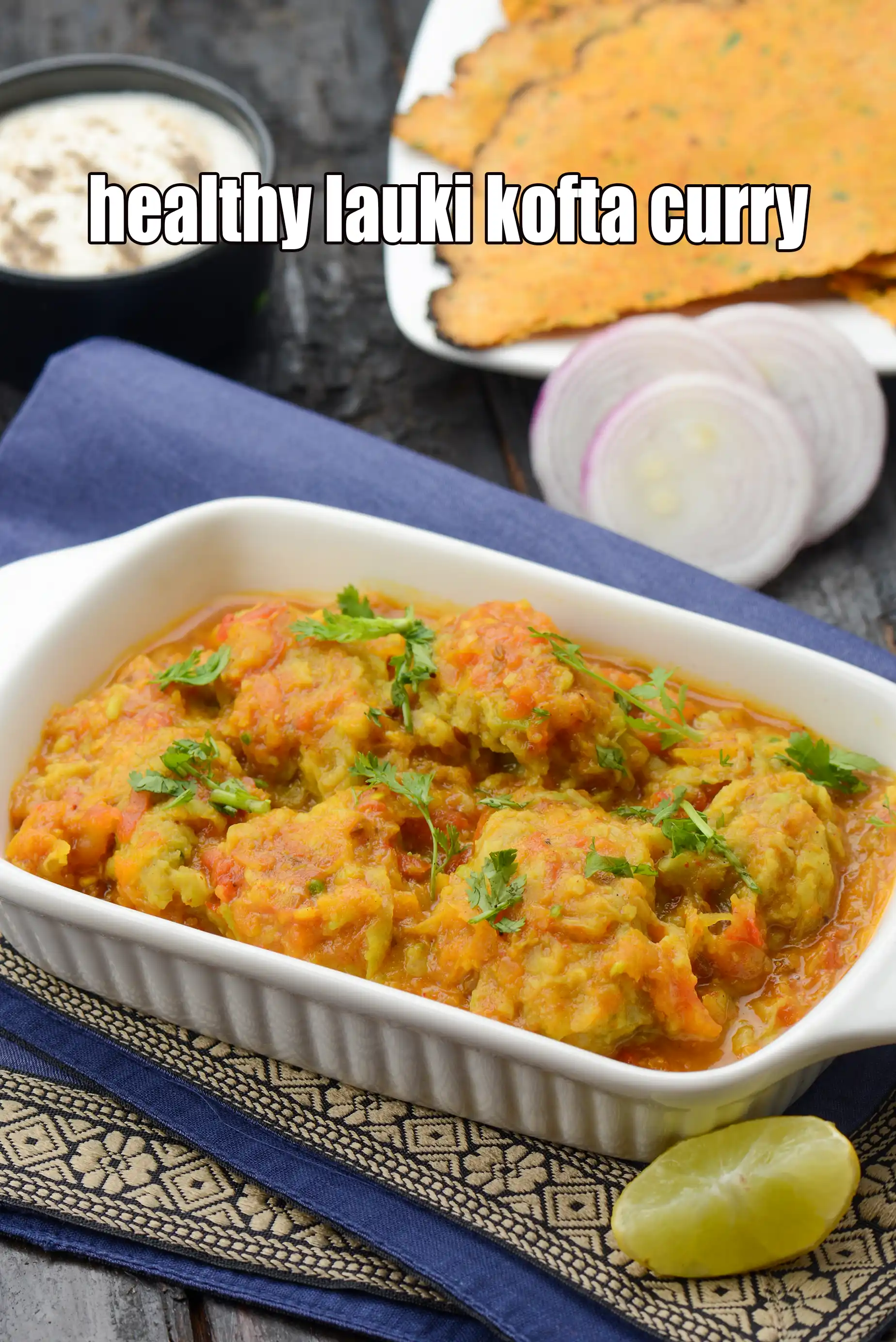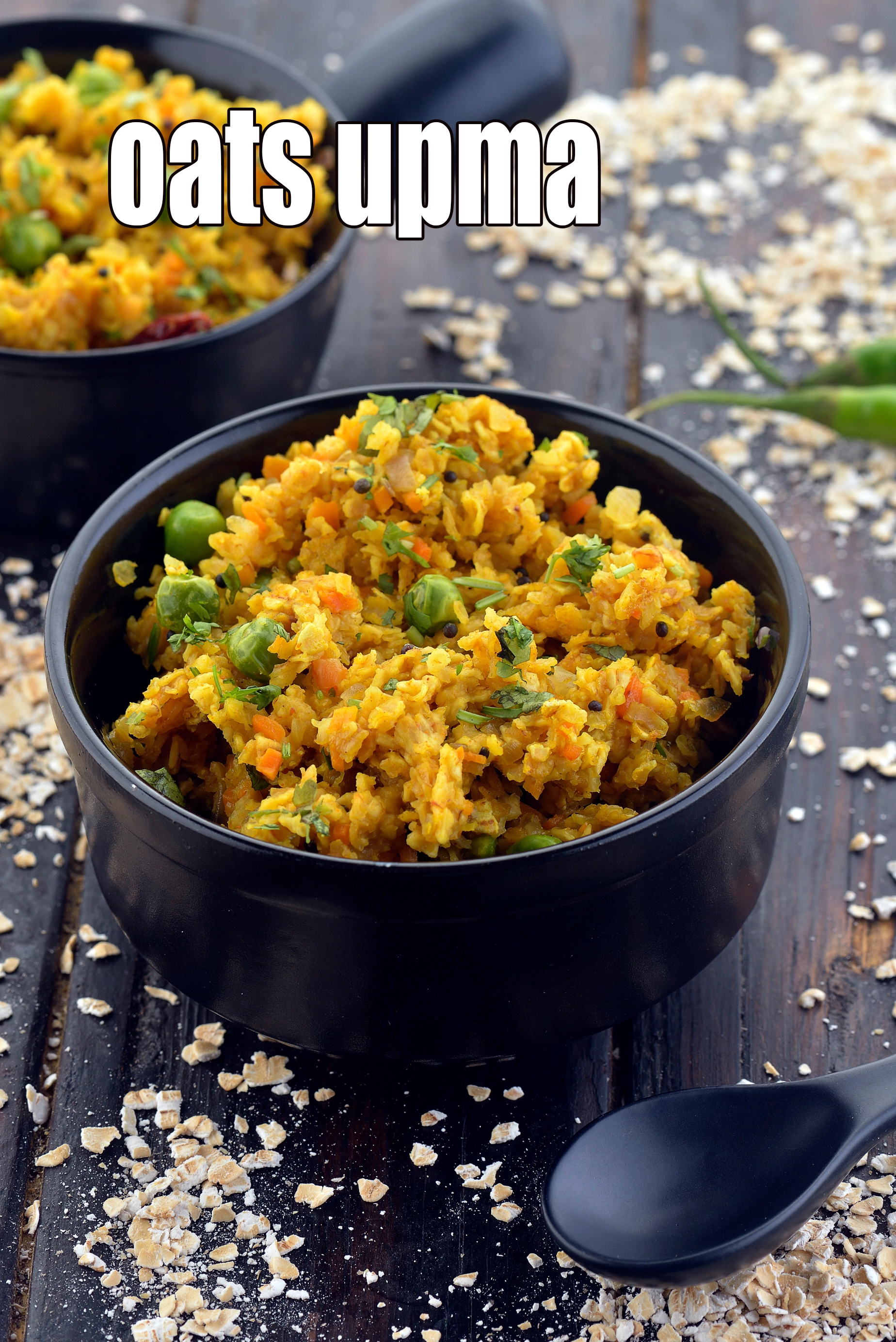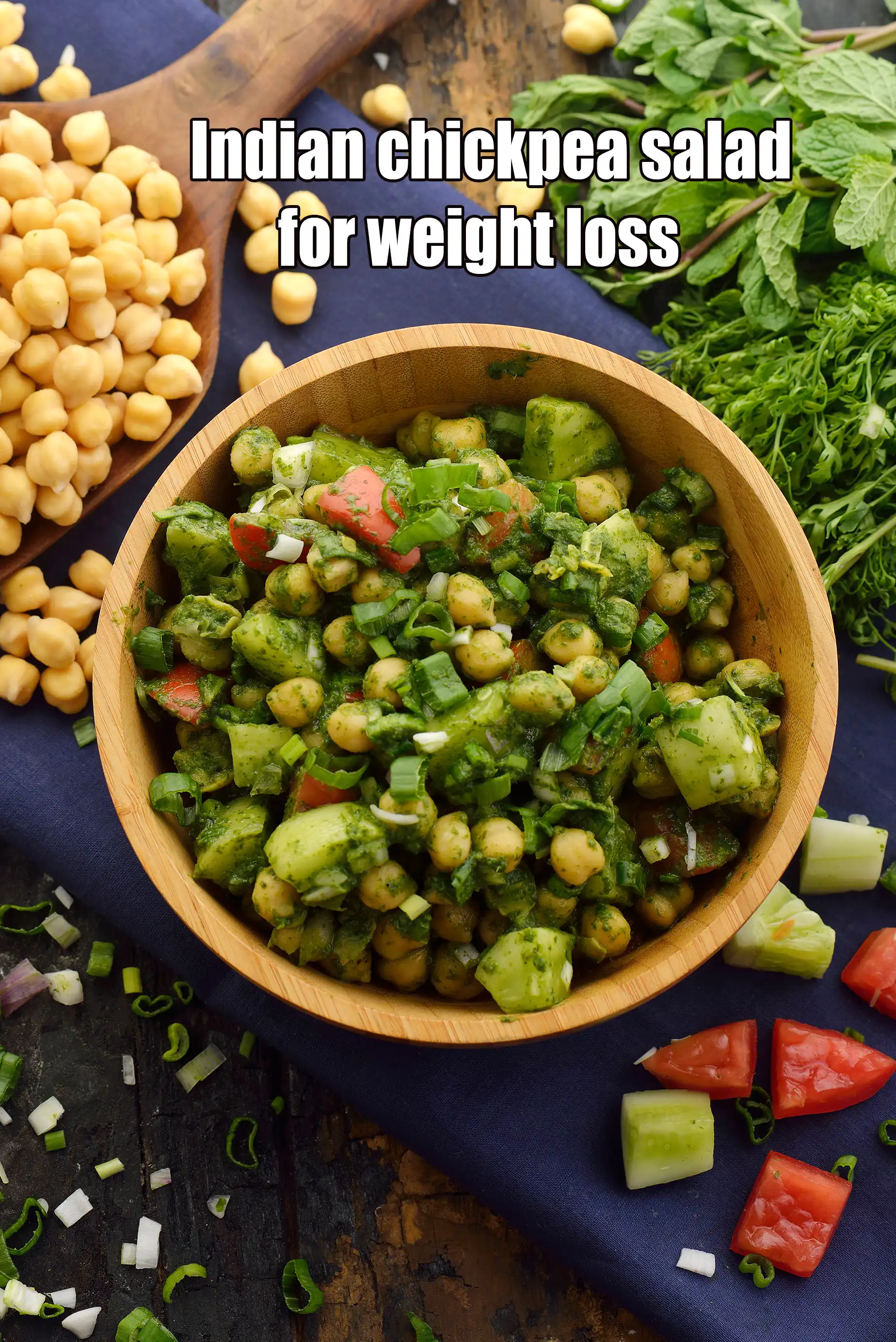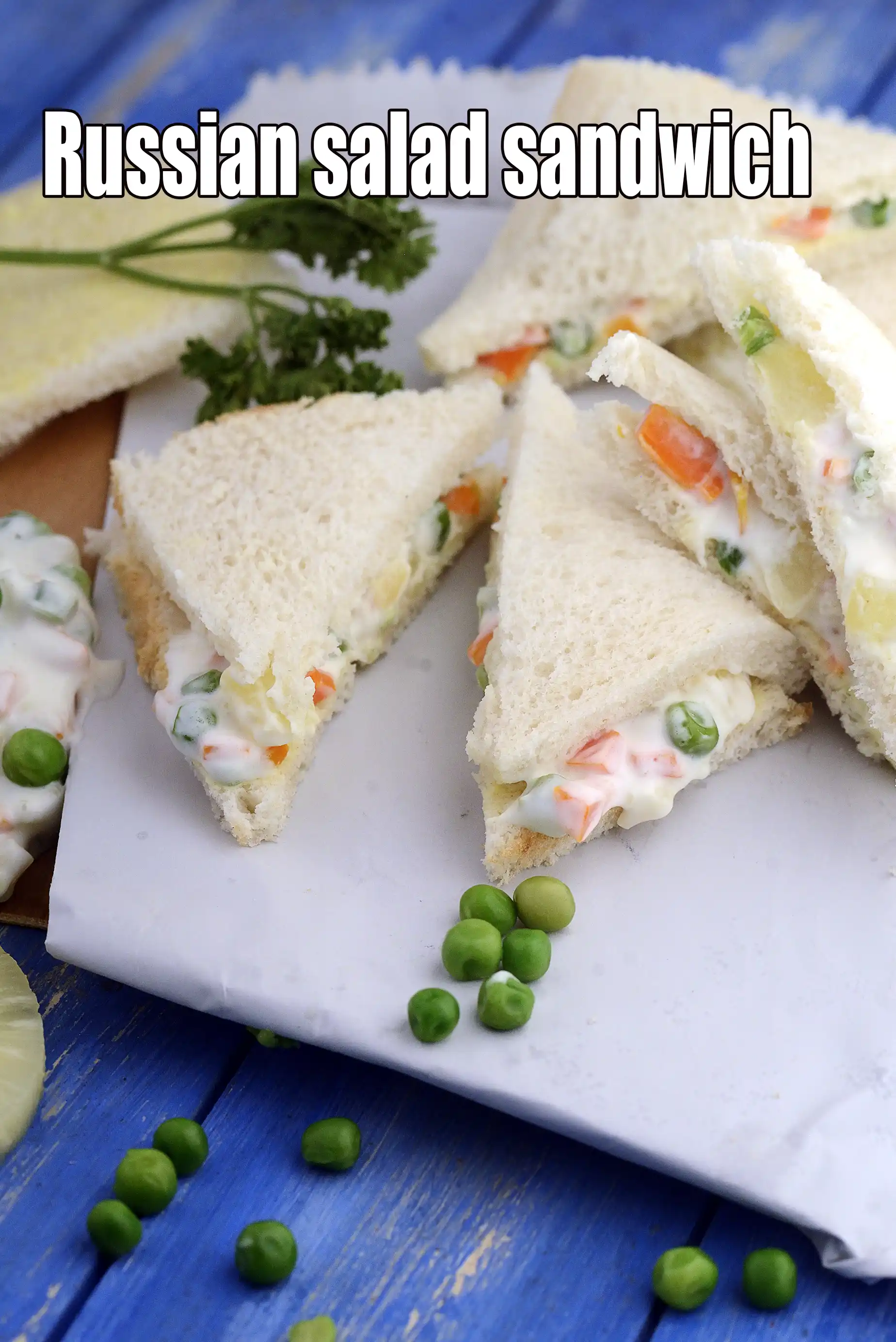
This category has been viewed 533341 times
Course > Main Course Recipes > Indian Vegetarian Sabzi and Curry
630 Indian Vegetarian Sabzi And Curry Recipes
 Tarla Dalal
• Updated : Jan 28, 2026
Tarla Dalal
• Updated : Jan 28, 2026
Indian vegetarian sabzi and curry recipes celebrate the richness of Seasonal Vegetables, Traditional Indian Spices, and wholesome cooking methods. These dishes form the backbone of everyday Indian meals, offering balanced nutrition and comforting flavors. From dry Sabzi Recipes to rich, gravy-based Curries, each preparation highlights regional tastes and home-style cooking. Made with fresh ingredients, they are naturally rich in Fiber, Vitamins, and Plant-Based Protein. Most recipes are easy to prepare and pair well with roti, paratha, or rice. These Healthy Vegetarian Recipes suit daily meals, festive menus, and special occasions alike.

Table of Content

Veg Sabzi and Curry Recipes
Indian vegetarian sabzi and curry form the heart of everyday Indian cooking, reflecting the country’s deep-rooted food culture and regional diversity. These dishes are prepared using seasonal vegetables, traditional Indian spices, and time-tested cooking techniques that balance taste and nutrition. From dry sabzis like aloo gobi to rich, gravy-based curries such as paneer masala, each recipe highlights the importance of home-style cooking.
A key feature of Indian vegetarian sabzi and curry is their nutritional value. They are naturally rich in fiber, vitamins, and plant-based protein, making them ideal for healthy vegetarian meals. Spices such as turmeric, cumin, coriander, and mustard seeds not only enhance flavor but also add digestive and medicinal benefits. Most recipes use minimal oil and can be adapted for low-fat or diabetic-friendly diets.
These dishes pair beautifully with roti, paratha, chapati, or steamed rice, making them suitable for daily meals as well as festive spreads. Simple to prepare yet deeply satisfying, Indian vegetarian sabzi and curry continue to be a staple in Indian households, offering comfort, nourishment, and authentic flavors in every bite.
Dry Sabzi Recipes
Dry sabzi recipes are characterized by minimal moisture, resulting in a stir-fried texture that highlights the natural flavors of vegetables. They are quick to prepare and often use basic spices like cumin, turmeric, and chili powder for a simple yet aromatic taste. Common in North Indian cuisine, these dishes pair well with flatbreads like roti or paratha. Ingredients such as potatoes, cauliflower, and beans are staples, making them versatile for daily meals. Dry sabzis are lighter on the stomach and ideal for those seeking low-oil options. They emphasize the crunchiness of veggies, providing a satisfying contrast in textures.
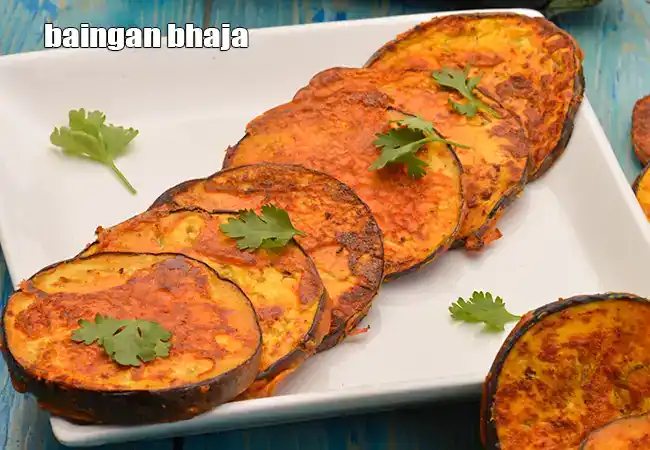
Aloo Gobi is a classic Punjabi dry sabzi featuring potatoes and cauliflower florets stir-fried with onions, tomatoes, and spices. The dish achieves a golden hue from turmeric and gains heat from green chilies and ginger. It's simple to make, requiring minimal ingredients yet delivering robust flavors. Often garnished with coriander, it serves as a staple side for rotis. This recipe is naturally vegan and gluten-free, appealing to various dietary preferences.
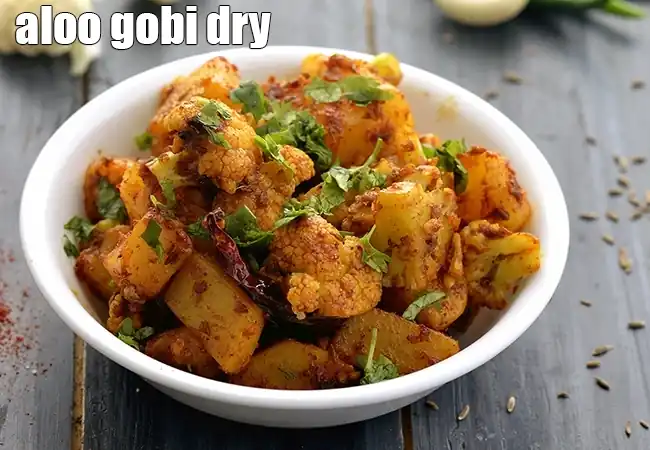
Baingan Bhaja is a Bengali-style eggplant fry, where thick slices are marinated in spices and shallow-fried until crisp. The key flavors come from mustard oil, turmeric, and chili powder, giving it a smoky edge. It's a quick side dish that pairs with dal and rice. This sabzi highlights the eggplant's creamy interior contrasted with a crunchy exterior. It's a popular way to enjoy brinjals in Eastern India.
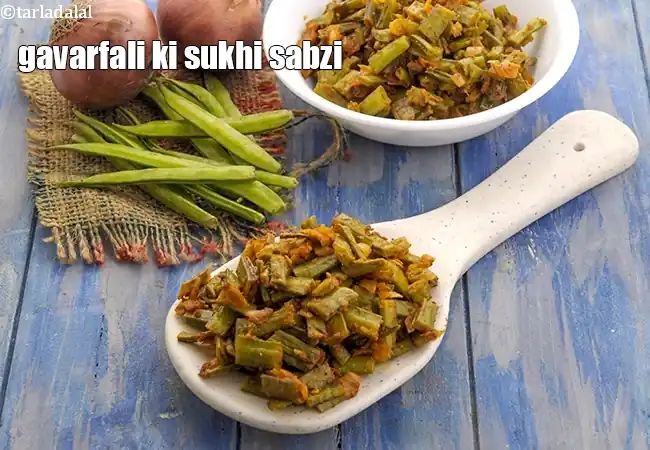
Gavarfali Ki Sukhi Subzi uses cluster beans tempered with cumin, asafoetida, and dry spices for a nutty, tangy taste. The beans are cooked until tender yet retain a slight crunch. Onions and tomatoes add subtle sweetness, balancing the bitterness of gavar. It's a healthy, fiber-rich option often served with chapati. This Gujarati-inspired dish is low in calories and quick to prepare.
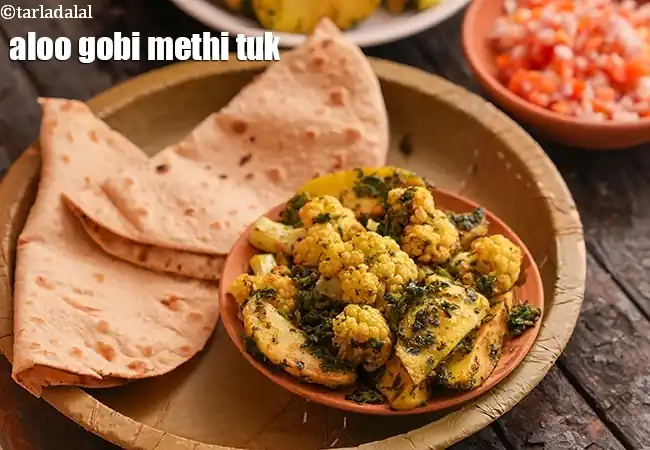
Aloo Gobi Methi Tuk combines potatoes, cauliflower, and fenugreek leaves in a spicy, dry preparation. The bitterness of methi is balanced by the earthiness of aloo and gobi. Spices like red chili and garam masala add warmth. It's a Rajasthani twist, often enjoyed with bajra roti. This recipe is nutritious, packed with vitamins from greens.
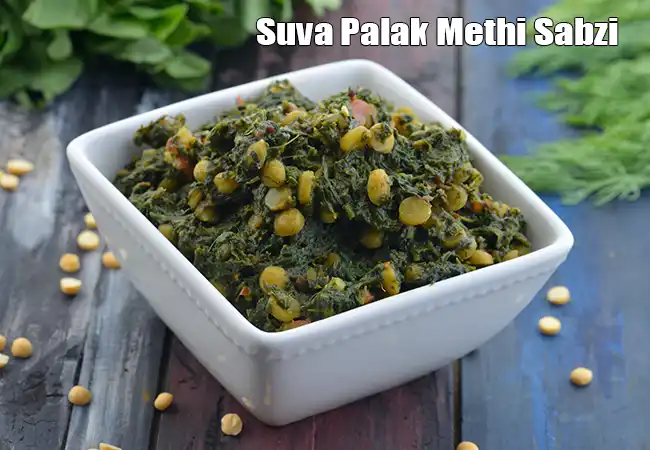
Suva Palak Methi Subzi blends dill, spinach, and fenugreek leaves with garlic and spices for a green, aromatic dry dish. The herbs provide a fresh, slightly bitter flavor profile. It's stir-fried to keep the leaves vibrant and crunchy. Ideal as a side for dal-rice meals. This healthy sabzi boosts iron intake from leafy greens.
Regional Variations and Diversity
Sabzi and curries showcase India’s vast regional tapestry, with each area using local ingredients and traditional cooking methods. In Punjab, robust and spicy dishes like Aloo Methi (potatoes with fenugreek) and Pindi Chole (chickpeas with pomegranate seeds) dominate, often hearty and paired with Indian breads. Gujarati cuisine adds gentle sweetness from jaggery, as seen in Sev Tameta Nu Shaak, reflecting a fine balance of flavors in vegetarian diets.
Rajasthan’s arid climate inspires preserved, gram flour–based curries such as Gatte Ki Kadhi, emphasizing resourceful cooking. Maharashtrian sabzis use coconut and tamarind for tang in dishes like Bharli Vangi and Chawli Chi Bhaji, influenced by coastal produce. Bengali cuisine appears in simple fries like Baingan Bhaja, while Kashmiri dishes add fennel in Dum Aloo. Malvani coastal curries, such as Cashew Curry with kokum, highlight nutty richness. These regional variations preserve cultural heritage, adapting to climate, festivals, and migration, offering flavors from mild to fiery.
Semi-Dry Sabzi Recipes
Semi-dry sabzi recipes feature a light gravy that coats the vegetables without overwhelming them, creating a balanced moisture level. They incorporate tomatoes or yogurt for subtle tanginess, enhanced by spices like coriander and cumin. Popular in Punjabi and Maharashtrian cuisines, these dishes are versatile for both rice and bread. Pulses or beans often add protein, making them filling yet light. Semi-dry versions are healthier than full gravies, using less oil. They offer a comforting texture, perfect for everyday lunches.
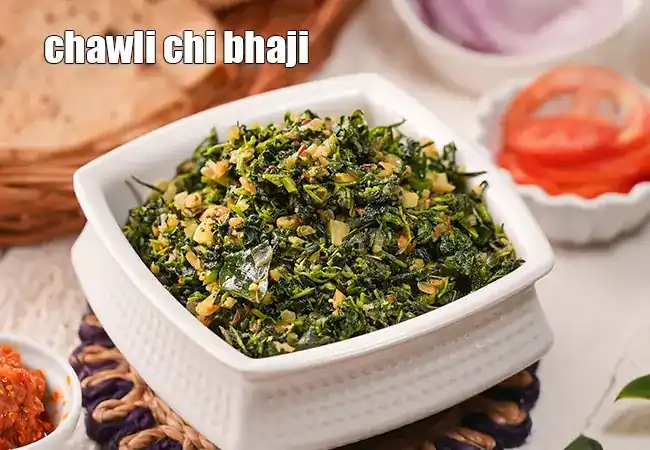
Chawli Chi Bhaji is a Maharashtrian semi-dry curry using amaranth leaves and black-eyed peas with coconut and spices. The leaves wilt into a soft base, while peas add chewiness. Garlic and green chilies provide a pungent kick. It's typically served with bhakri or rice. This nutritious dish is rich in iron and protein.
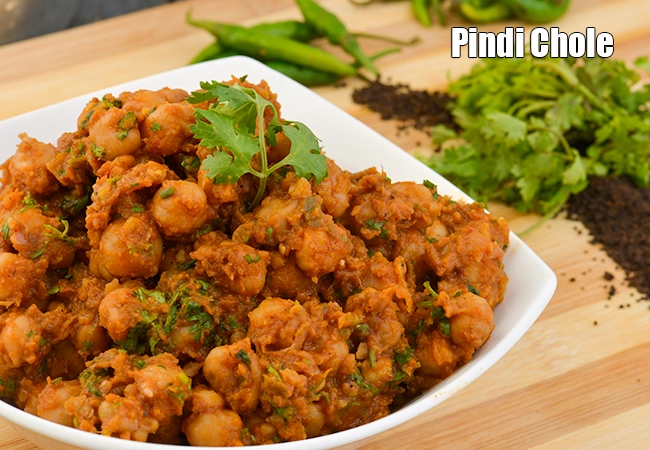
Pindi Chole is a Punjabi semi-dry chickpea curry flavored with tea, pomegranate seeds, and whole spices. The chickpeas are soft and absorb the tangy, spicy masala. No onions or tomatoes are used, keeping it authentic. Pairs excellently with bhature or kulcha. It's a festival favorite, high in fiber.
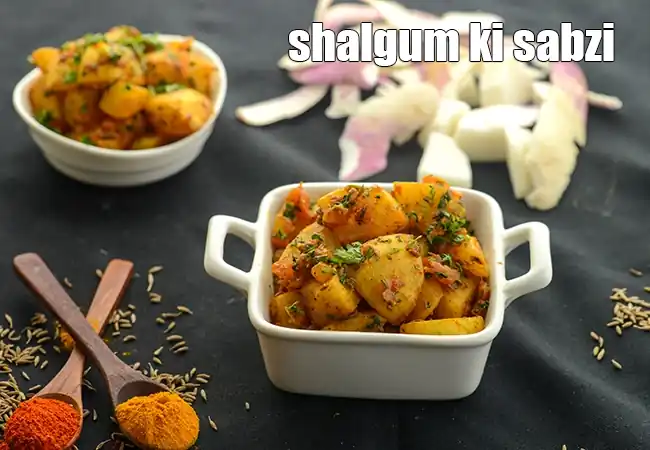
Shalgam Ki Sabzi features turnips cooked in a semi-dry tomato base with ginger, cumin, and garam masala. The turnips turn soft and mildly sweet, absorbing the spices. It's a North Indian winter special, warming and comforting. Serve with paratha for a complete meal. This low-cal dish aids digestion.
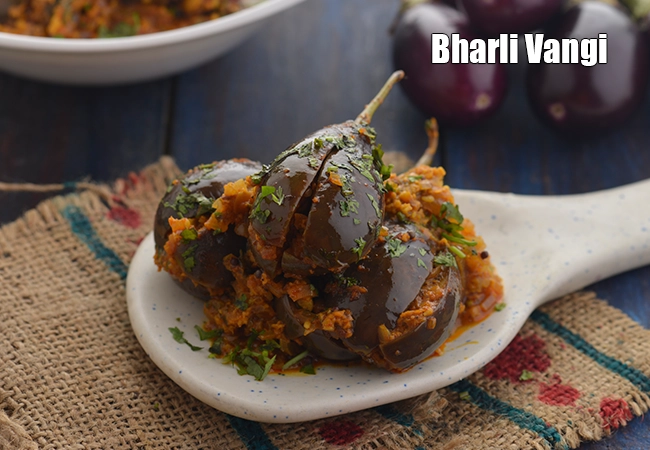
Bharli Vangi is stuffed eggplants in a semi-dry coconut-peanut gravy, Maharashtrian style. The filling includes spices, jaggery, and tamarind for sweet-sour notes. Eggplants become tender and flavorful. Enjoy with chapati or rice. It's a festive recipe, packed with healthy fats.
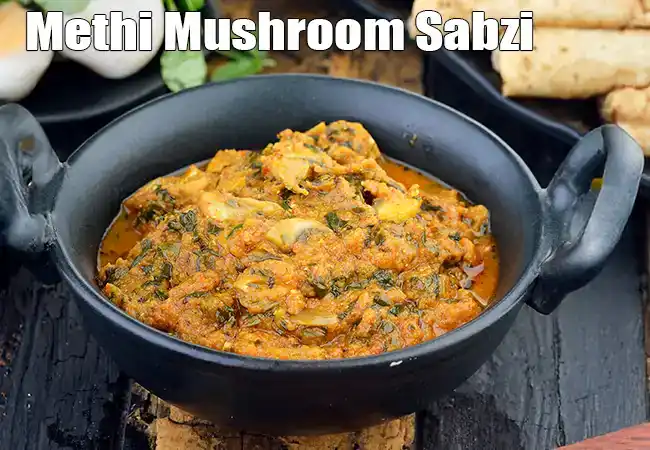
Methi Mushroom Sabzi combines fenugreek leaves and mushrooms in a semi-dry onion-tomato masala. Mushrooms add an umami depth, while methi brings bitterness. Spices like turmeric and chili enhance the earthiness. It's a quick, modern twist for rotis. This vegan dish is antioxidant-rich.
Gravy Curry Recipes
Gravy curry recipes involve rich, sauce-based preparations where vegetables simmer in tomato, onion, or nut gravies. They use cream or yogurt for creaminess, with spices like cardamom and cloves adding depth. Common in restaurant-style meals, these are indulgent and pair with naan or jeera rice. Paneer or koftas elevate them to main courses. Gravy curries are ideal for special occasions, offering comfort food vibes. They can be customized for spice levels, from mild to fiery.
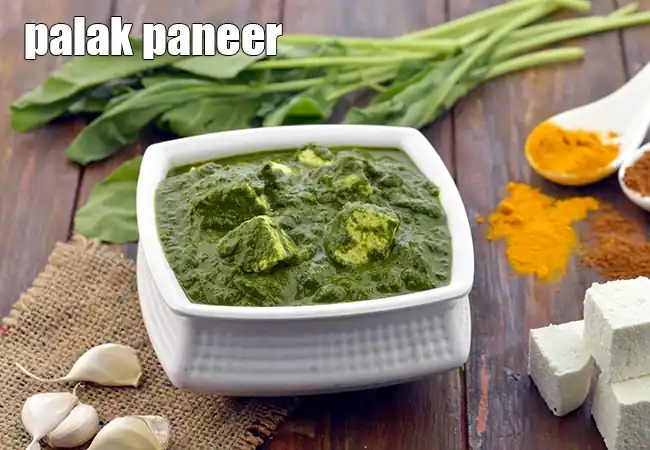
Palak Paneer is a creamy spinach gravy with paneer cubes, flavored with garlic, onions, and garam masala. The spinach puree gives a vibrant green color and smooth texture. Paneer absorbs the spices, adding chewiness. It's a Punjabi classic, served with naan. This dish is protein-packed and kid-friendly.
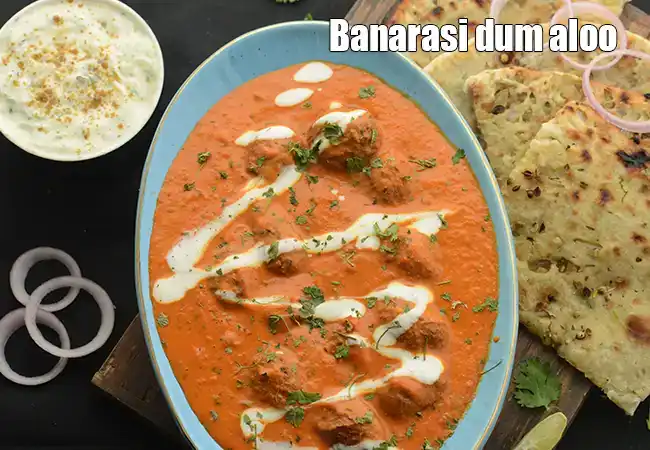
Dum Aloo features baby potatoes in a yogurt-tomato gravy, slow-cooked with fennel and ginger. The potatoes are fried first for crispiness, then simmered. Spices create a tangy, aromatic sauce. A Kashmiri-inspired Punjabi favorite with rice. It's hearty and flavorful.
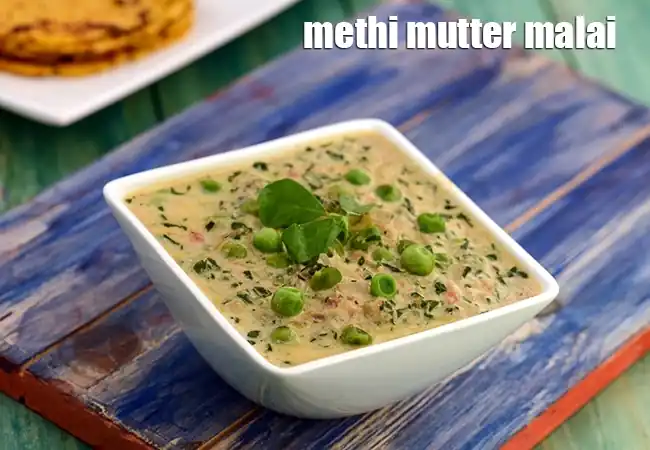
Methi Mutter Malai is a creamy fenugreek-peas curry in cashew-onion gravy, mildly sweet from cream. Fenugreek adds subtle bitterness, balanced by peas' sweetness. It's a rich North Indian delight for special meals. Pair with paratha. This recipe is indulgent yet nutritious.
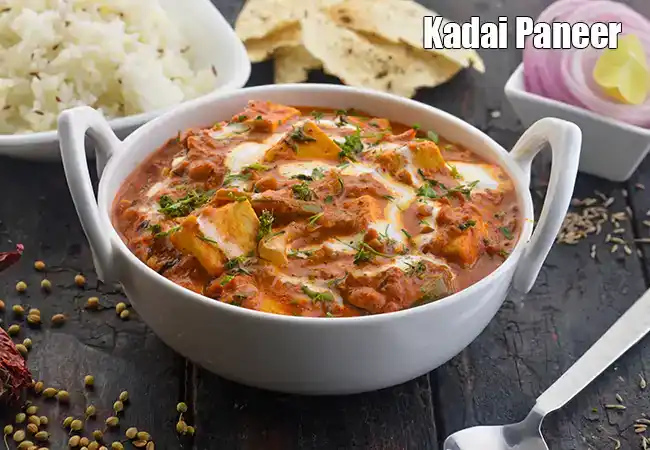
Kadai Paneer is paneer and capsicum in a spicy tomato gravy, tempered with coriander seeds. The kadai cooking imparts a smoky flavor. Vegetables retain crunch amid the thick sauce. Popular restaurant dish with tandoori roti. It's vibrant and zesty.
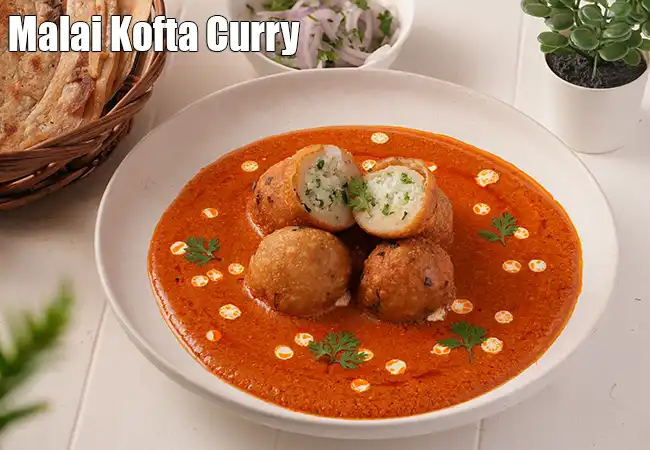
Malai Kofta consists of paneer-potato balls in a creamy tomato-cashew gravy. The koftas are soft and melt-in-mouth, enriched by nuts. Gravy is mildly spiced and luxurious. A Mughlai specialty for dinners. This dish is celebratory and satisfying.
Regional Sabzi Curries
Regional sabzi curries reflect India's diverse culinary heritage, varying by state with local ingredients and techniques. Punjabi versions are robust and spicy, while Gujarati ones incorporate sweetness from jaggery. Rajasthani curries use gram flour for thickness, emphasizing desert-friendly preservation. Maharashtrian dishes feature coconut and tamarind for tang. These recipes preserve traditions, often using seasonal produce. They offer authentic tastes, from mild to bold, showcasing cultural uniqueness.
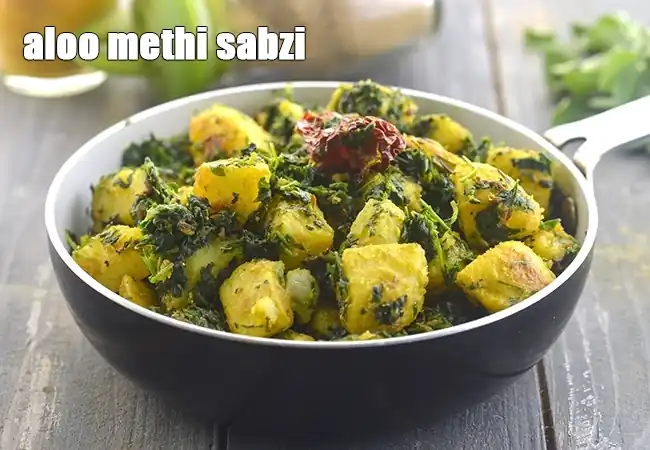
Aloo Methi is a Punjabi dry curry of potatoes and fenugreek leaves with garlic and chilies. Potatoes provide starchiness, while methi adds herbal notes. It's stir-fried for a simple, homely flavor. Serve with roti. This winter special is warming and vitamin-rich.
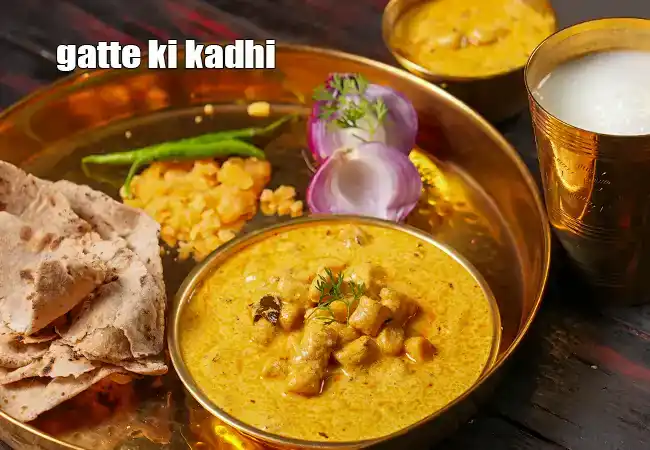
Gatte Ki Kadhi is a Rajasthani gram flour dumpling curry in yogurt gravy, spiced with red chilies. Gattes are boiled and added to the tangy kadhi. It's thick and comforting. Pairs with rice or roti. This vegetarian staple is protein-dense.
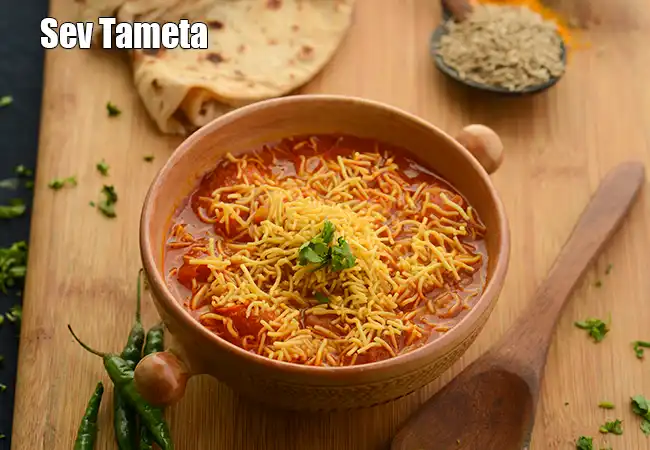
Sev Tameta Nu Shaak is a Gujarati tomato curry topped with sev, flavored with cumin and jaggery. Tomatoes form a sweet-spicy base, with sev adding crunch. It's quick and vibrant. Enjoy with puri. This dish is tangy and addictive.
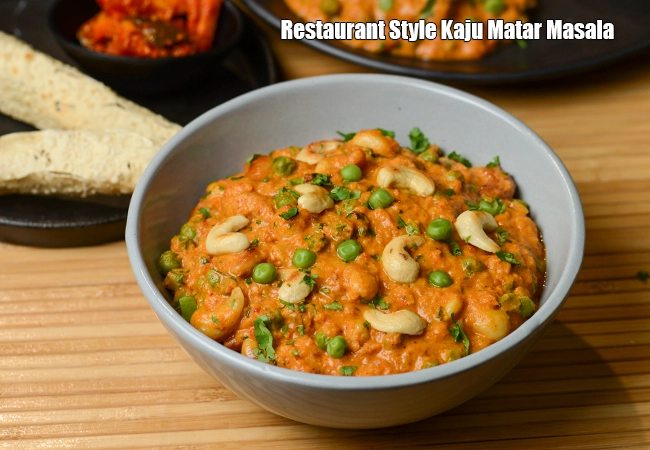
Restaurant Style Kaju Matar Masala
Cashew Curry is a Malvani coastal dish with cashews in coconut-onion gravy, spiced with kokum. Cashews soften into creamy bites. It's mildly tangy and rich. Pairs with rice. This unique curry highlights nuts as the star.
FAQs
What is the difference between sabzi and curry?
Sabzi refers to vegetable-based dishes, often dry or semi-dry, while curry typically implies a gravy-based preparation, though the terms are sometimes used interchangeably in Indian cuisine.
Are Indian sabzis healthy? Yes, they are packed with vitamins, fiber, and minerals from fresh vegetables, and when prepared with minimal oil, they support a balanced diet.
Can sabzis be made vegan?
Absolutely, most are naturally vegan by using plant-based ingredients and skipping dairy like paneer or ghee.
What spices are essential for sabzi?
Common ones include turmeric for color, cumin for aroma, coriander for earthiness, and garam masala for warmth.
How to make gravy thicker?
Use cashew paste, onion-tomato puree, or yogurt, and simmer to reduce moisture for a richer consistency.
What pairs best with dry sabzis?
They go well with flatbreads like roti, paratha, or puri, and a side of dal or raita.
Are regional curries spicy? It varies; Punjabi ones can be spicy, while Gujarati versions often include sweetness to balance heat.
- Can sabzis be frozen? Yes, many gravy-based ones freeze well for up to a month, but dry ones are best fresh.
| Nutrient | Typical Benefits | Examples from Dishes |
|---|---|---|
| Calories | 150-300 per serving (low in dry, higher in gravy) | Dry sabzis like Aloo Gobi are lighter; gravy ones like Palak Paneer add more from paneer/cream. |
| Protein | 5-15g (from paneer, peas, lentils) | High in Methi Mutter Malai (peas) or Pindi Chole (chickpeas). |
| Fiber | 4-8g (from veggies and greens) | Abundant in leafy sabzis like Suva Palak Methi or cluster beans in Gavarfali. |
| Vitamins | Rich in A, C, K (from spinach, fenugreek, tomatoes) | Palak Paneer provides iron and vitamin K; Aloo Methi offers vitamin C. |
| Minerals | Iron, potassium, calcium | Turnips in Shalgam Sabzi supply potassium; cashews in Cashew Curry add magnesium. |
| Carbs | 20-40g (from potatoes, beans) | Balanced in Dum Aloo; lower in mushroom-based like Methi Mushroom. |
| Fats | 5-15g (healthy from nuts, minimal oil) | Malai Kofta has higher fats from cream; dry ones like Baingan Bhaja use less. |
Conclusion
Indian vegetarian sabzi and curry embody the essence of flavorful, nutritious home cooking, blending spices and veggies into comforting meals. From everyday dry preparations to festive gravies, they cater to diverse palates and occasions. Exploring regional variations adds excitement, preserving cultural richness. These dishes promote healthy eating while being adaptable to modern diets. Ultimately, they celebrate India's vegetarian legacy, inviting everyone to savor their simplicity and depth.

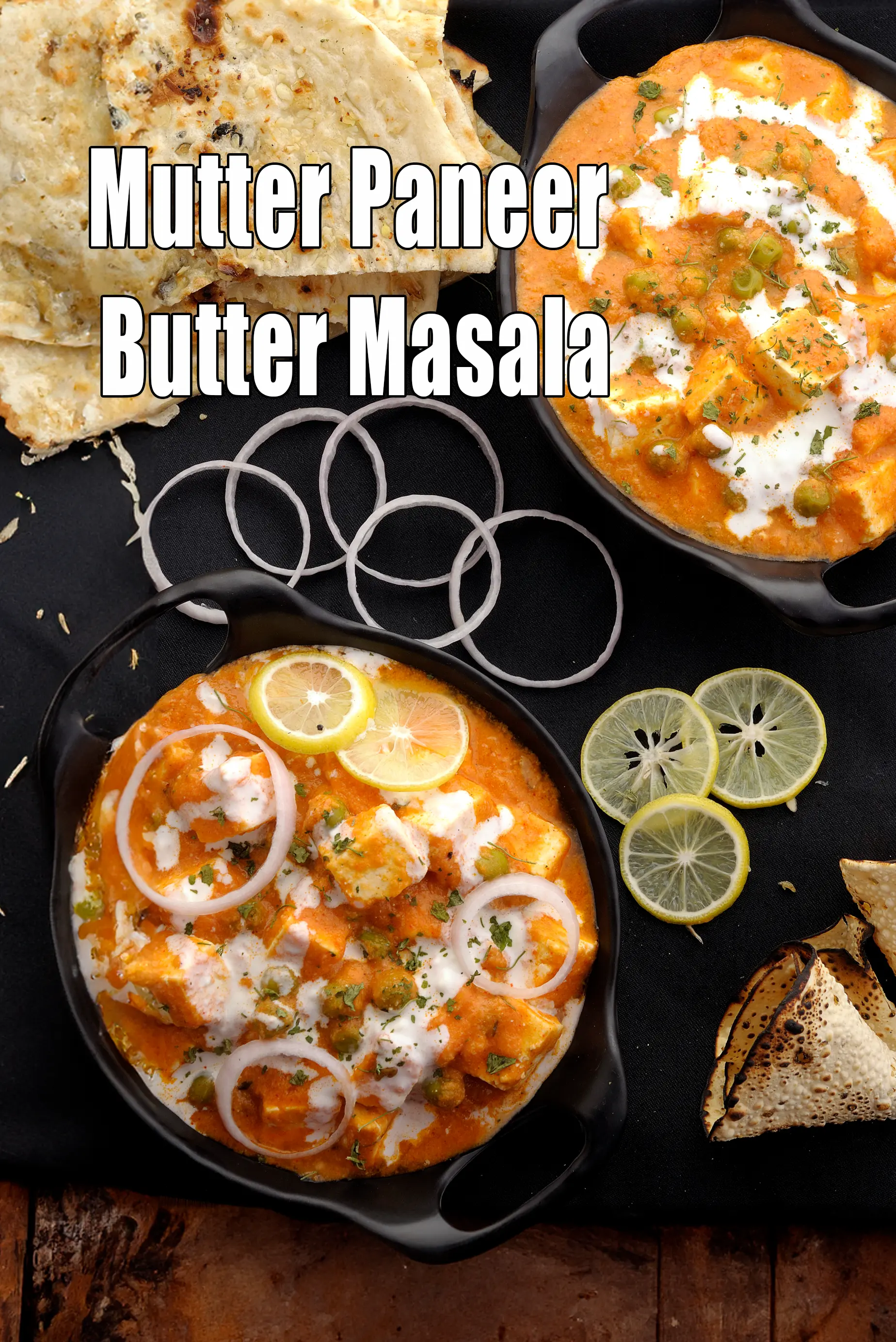
matar paneer butter masala recipe | restaurant style mutter paneer butter masala | Punjabi paneer matar | with … More..
Recipe# 3517
03 December, 2019
calories per serving
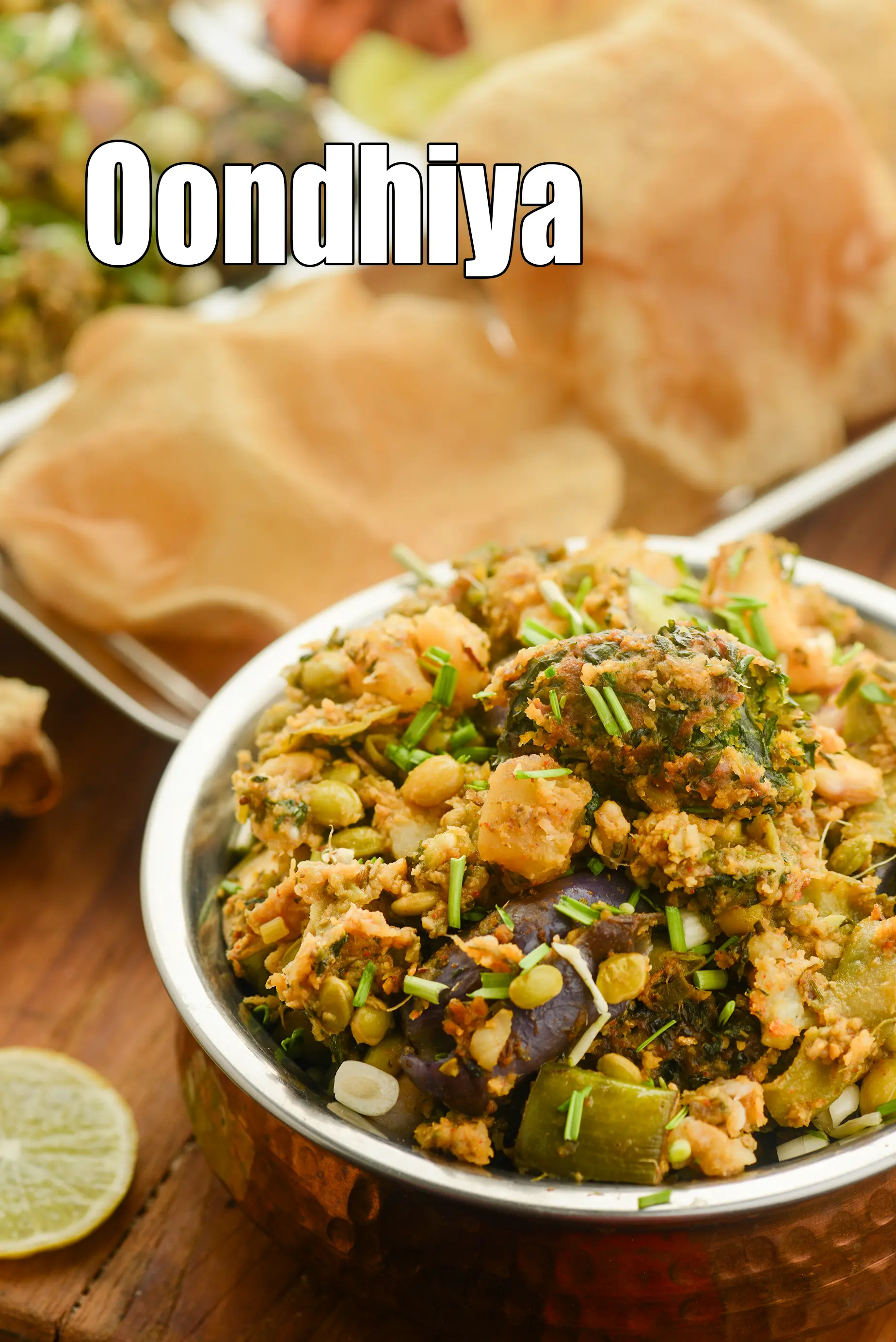
As this undhiyu is cooked in pressure cooker, this recipe doesn’t take much time. The name “Undhiyu” is … More..
Recipe# 1802
13 November, 2020
calories per serving
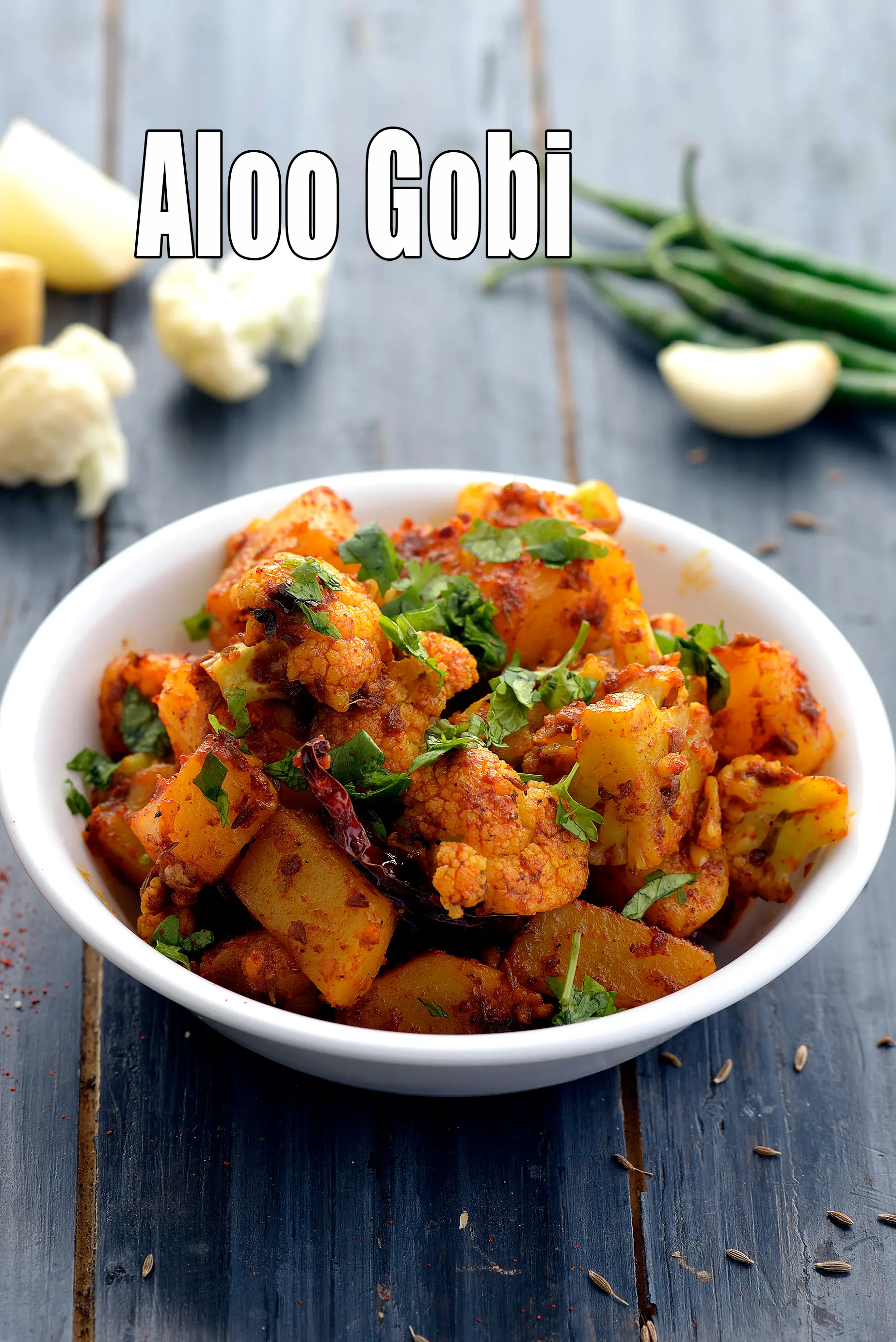
Aloo Gobi is a classic Punjabi-style dry sabzi made with potatoes and cauliflower. This aloo gobi dry recipe … More..
Recipe# 4619
26 October, 2019
calories per serving

malai kofta recipe | malai kofta curry | restaurant style malai kofta | with 35 amazing images.Malai Kofta … More..
Recipe# 2641
04 July, 2020
calories per serving
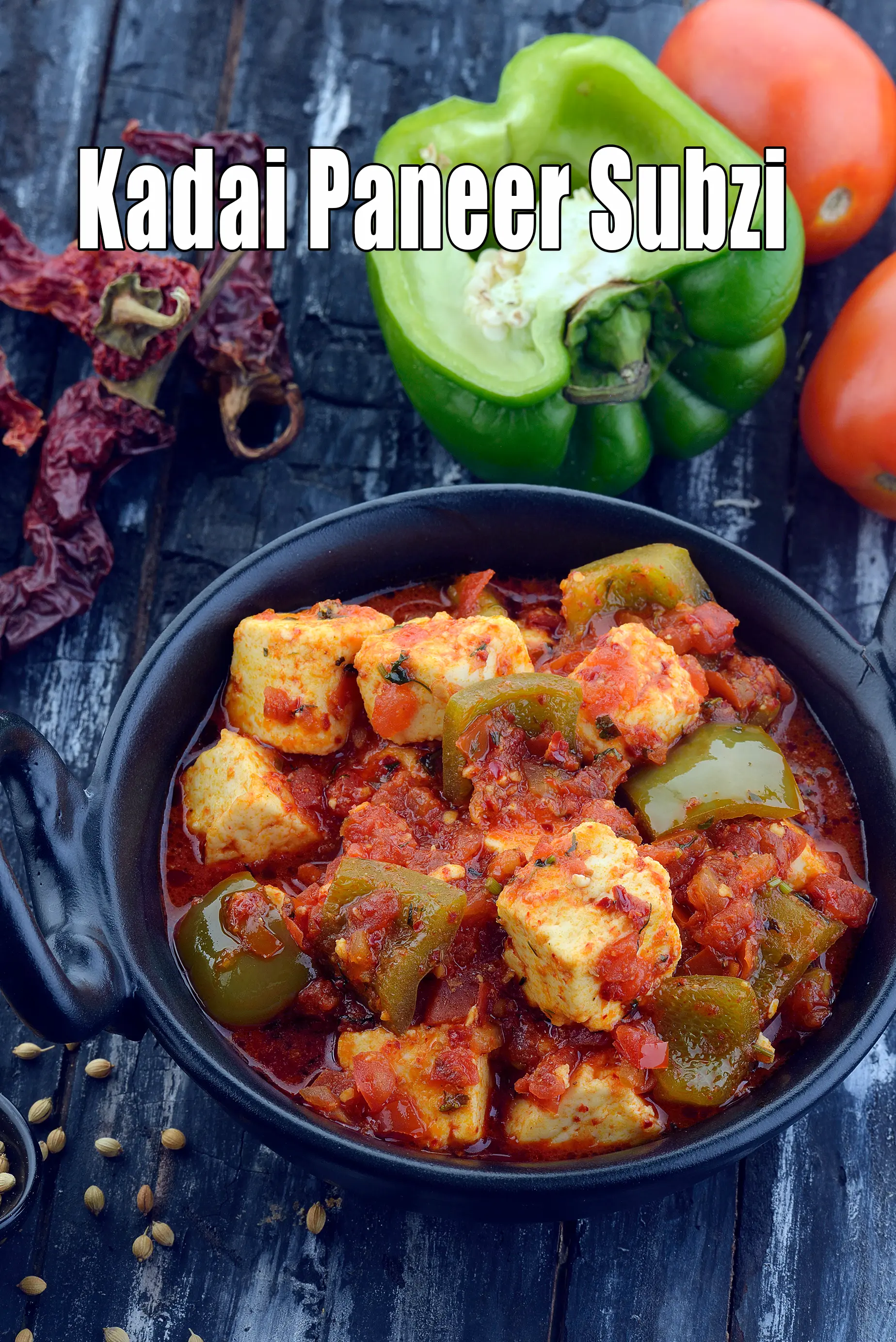
kadai paneer subzi recipe | restaurant style kadai paneer sabzi | homemade kadai paneer sabzi | with amazing … More..
Recipe# 1439
20 November, 2019
calories per serving
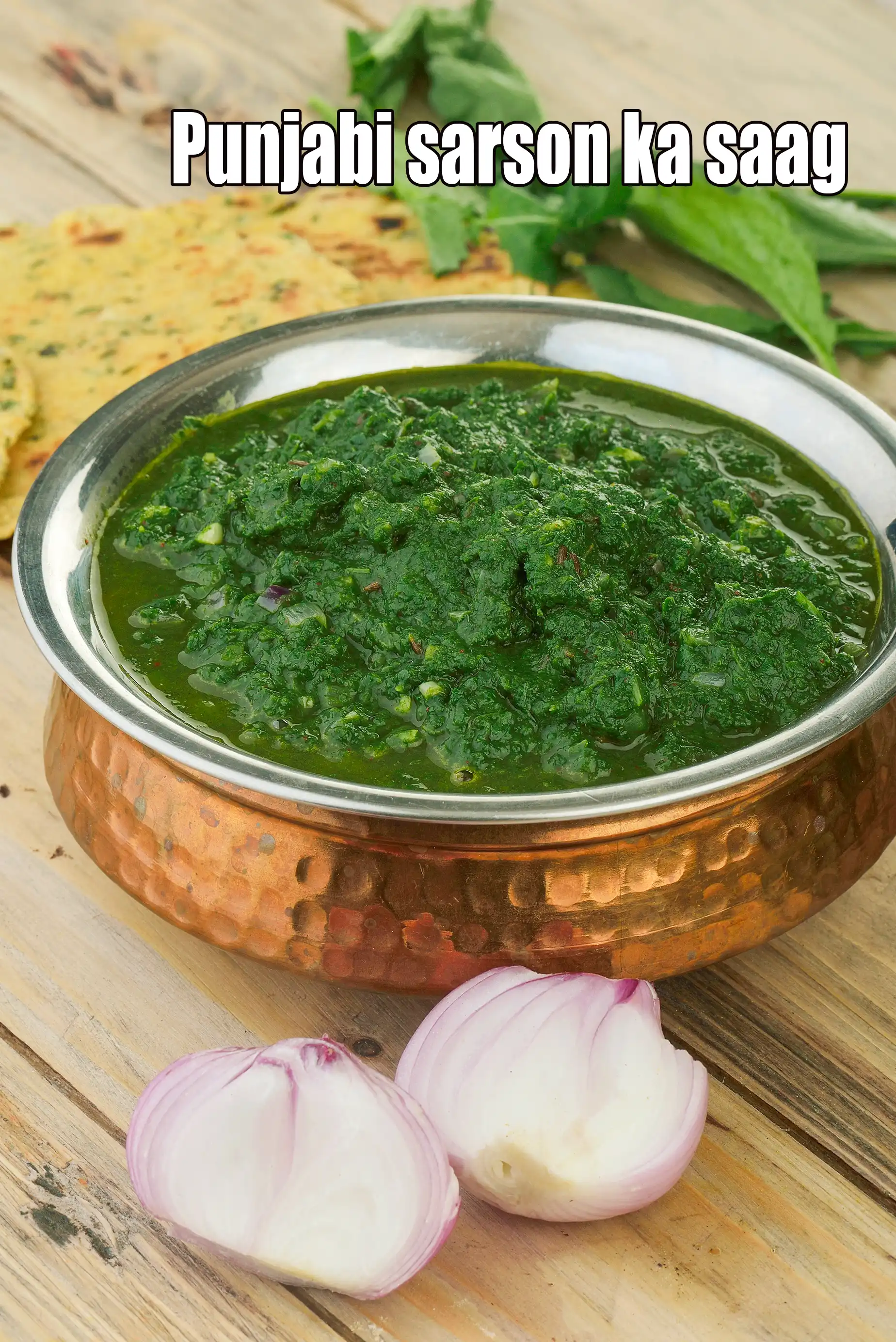
Sarson da saag is lightly flavored and the greens are what shine and add to the taste. To … More..
Recipe# 4908
17 December, 2019
calories per serving
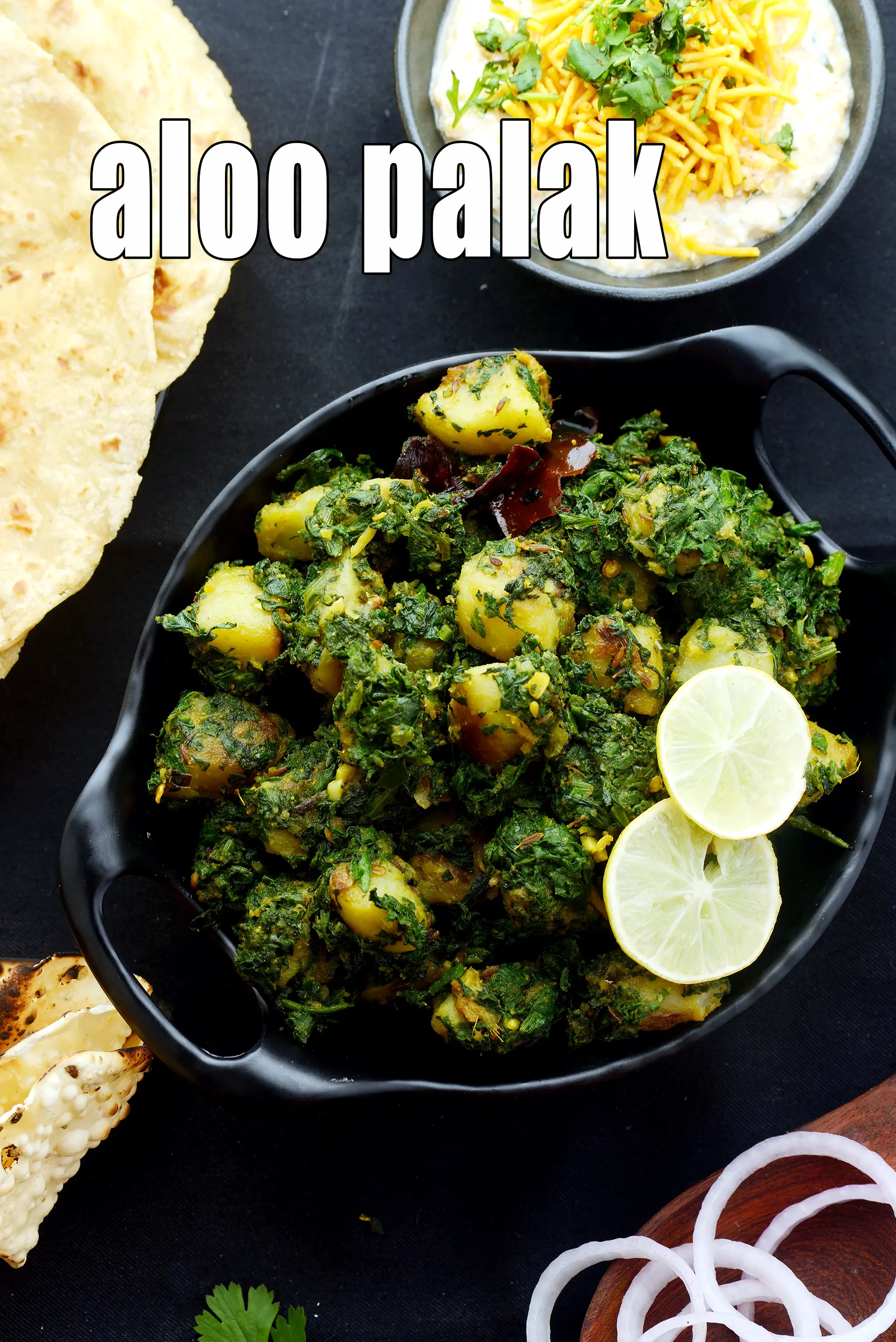
aloo palak recipe | Punjabi style aloo palak sabzi | aloo palak sukhi sabzi | with amazing 15 … More..
Recipe# 4682
24 January, 2020
calories per serving

Extremely soft koftas that melt in your mouth, dipped in a creamy tomato-flavoured gravy that soothes and cradles … More..
Recipe# 1564
29 September, 2016
calories per serving
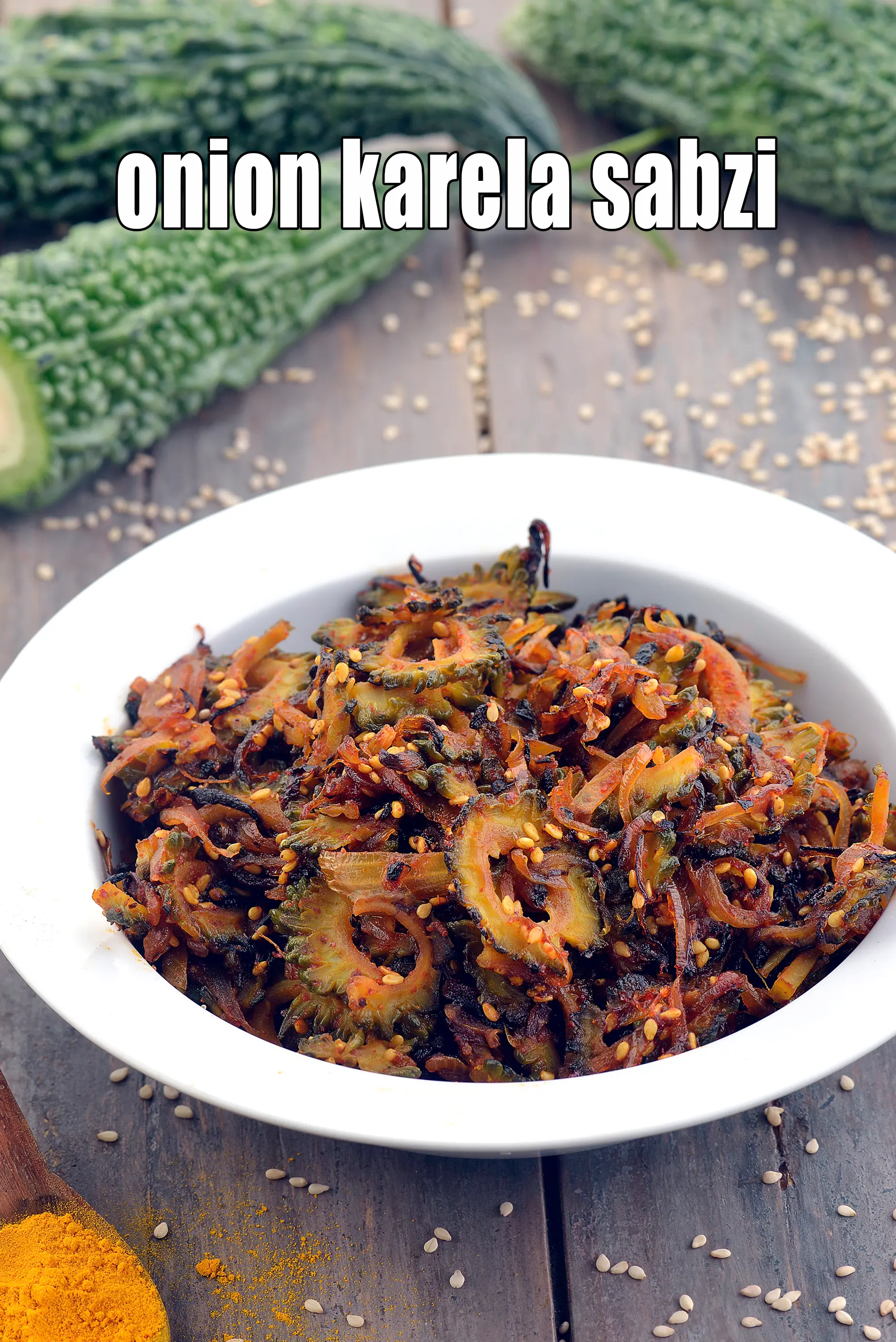
onion karela sabzi | pyaz wale karele | bitter gourd sabzi | healthy onion karela sabzi | with … More..
Recipe# 3990
09 December, 2019
calories per serving
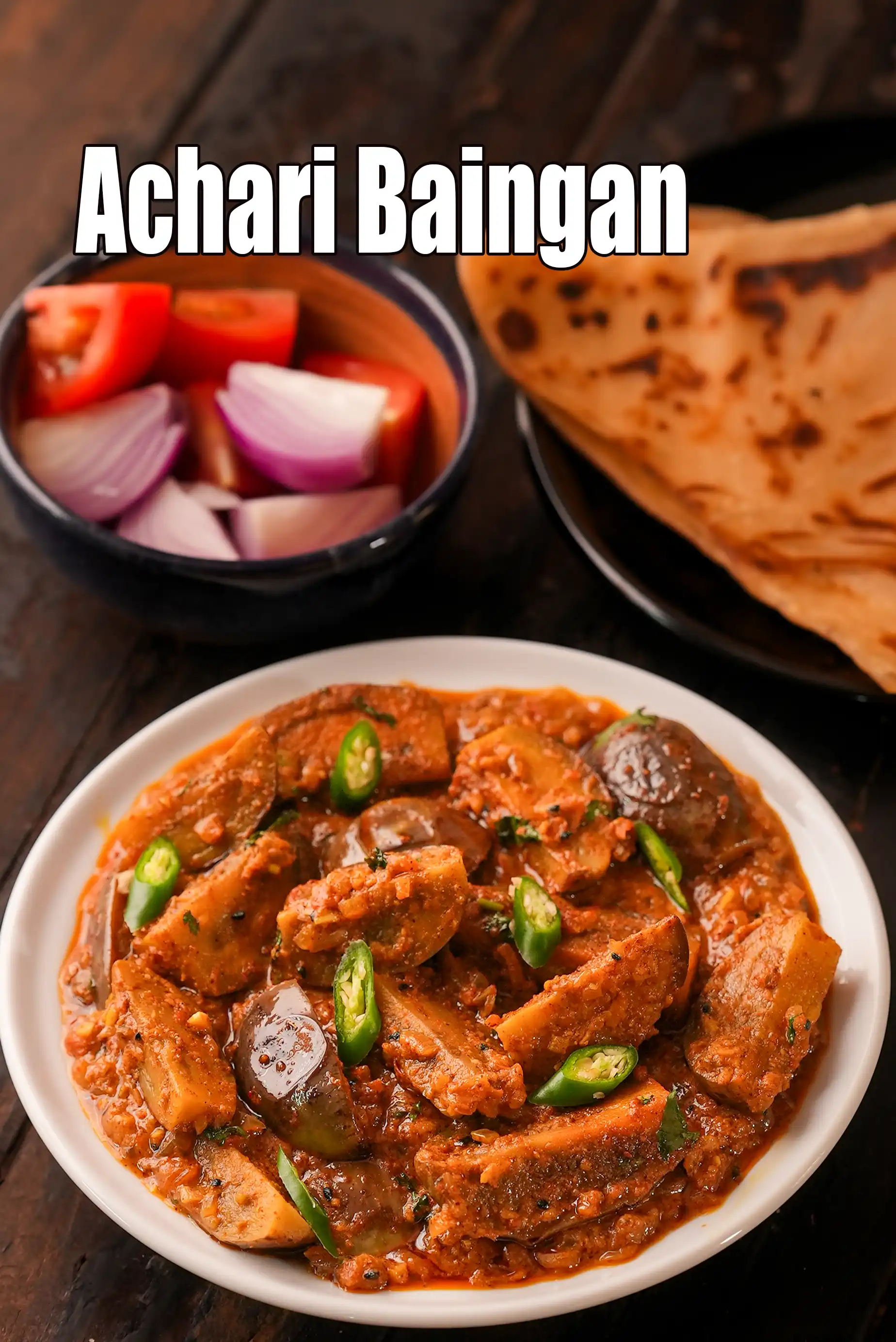
achari baingan recipe | Punjabi style achari baingan masala | achari baingan sabzi | with 40 amazing images.achari … More..
Recipe# 4683
02 July, 2014
calories per serving
calories per serving
matar paneer butter masala recipe | restaurant style mutter paneer butter masala | Punjabi paneer matar | with … More..
calories per serving
As this undhiyu is cooked in pressure cooker, this recipe doesn’t take much time. The name “Undhiyu” is … More..
calories per serving
Aloo Gobi is a classic Punjabi-style dry sabzi made with potatoes and cauliflower. This aloo gobi dry recipe … More..
calories per serving
malai kofta recipe | malai kofta curry | restaurant style malai kofta | with 35 amazing images.Malai Kofta … More..
calories per serving
kadai paneer subzi recipe | restaurant style kadai paneer sabzi | homemade kadai paneer sabzi | with amazing … More..
calories per serving
Sarson da saag is lightly flavored and the greens are what shine and add to the taste. To … More..
calories per serving
aloo palak recipe | Punjabi style aloo palak sabzi | aloo palak sukhi sabzi | with amazing 15 … More..
calories per serving
Extremely soft koftas that melt in your mouth, dipped in a creamy tomato-flavoured gravy that soothes and cradles … More..
calories per serving
onion karela sabzi | pyaz wale karele | bitter gourd sabzi | healthy onion karela sabzi | with … More..
calories per serving
achari baingan recipe | Punjabi style achari baingan masala | achari baingan sabzi | with 40 amazing images.achari … More..


Related Recipes
Follow US
Recipe Categories
- Vitamin B12 Cobalamin Rich 35 recipes
- Low Calorie, Weight Loss Indian 423 recipes
- Low Cholesterol Indian 314 recipes
- Healthy Indian Breakfast 374 recipes
- Indian Diabetic 564 recipes
- Indian Pregnancy 461 recipes
- Zero Oil Indian 133 recipes
- Iron Rich Indian 268 recipes
- Healthy Indian Acidity recipes 137 recipes
- Healthy Sabzis 108 recipes
- Indian Healthy Veg Snack 276 recipes
- Healthy Heart Recipes 421 recipes
- Healthy Veg Indian Soups 74 recipes
- Calcium Rich Indian 373 recipes
- High Blood Pressure Indian Recipes 104 recipes
- Healthy Indian Salads Recipes 137 recipes
- Low Carb Indian Diet, recipes 163 recipes
- Hypothyroidism Diet 63 recipes
- Arthritis Diet 68 recipes
- High Protein Indian recipes 95 recipes
- Vitamin K Diet 42 recipes
- Fatty Liver Diet 39 recipes
- PCOS 136 recipes
- Gluten Free Veg Indian 197 recipes
- High Fiber 329 recipes
- Indian Cancer Patients 275 recipes
- Jaundice Diet 45 recipes
- Sprouts 61 recipes
- Typhoid 43 recipes
- Irritable Bowel Syndrome (IBS) 23 recipes
- Kidney Stone Diet 10 recipes
- Home Remedies 213 recipes
- Senior Citizen 195 recipes
- Healthy Indian Drinks and Juices 214 recipes
- Diet for Dialysis 10 recipes
- Gout Indian Recipes 17 recipes
- Potassium Rich 80 recipes
- Vegan 195 recipes
- Indian recipes to treat Vomiting 8 recipes
- Forever Young Diet, Anti Aging Indian Diet 255 recipes
- Antioxidant Rich Indian 445 recipes
- Vitamin B1 Rich Indian Foods, Recipes 101 recipes
- High in Omega 3 Fatty Acids 32 recipes
- Zinc Rich Foods 55 recipes
- Vitamin A Rich, Beta Carotene, Retinol 89 recipes
- Malaria Diet 19 recipes
- Magnesium Rich 94 recipes
- Vitamin C Rich Indian recipes 118 recipes
- Healthy Indian Dinner 85 recipes
- Low Veg Glycemic Index 86 recipes
- Lower Blood Pressure Salads 8 recipes
- Healthy Indian Lunch Recipes 29 recipes
- Lactation 25 recipes
- Vitamin E Rich 51 recipes
- Hyperthyroidism Diet 47 recipes
- Vitamin B3, Niacin Rich 41 recipes
- Post Surgery Diet 42 recipes
- Selenium 27 recipes
- Phosphorus Rich Indian Recipes, Foods 74 recipes
- Lower Blood Pressure Desserts Sweets 14 recipes
- Copper 15 recipes
- Foods Rich in Vitamin B2 Riboflavin 22 recipes
- Vitamin B6 Diet 36 recipes
- B Vitamins 231 recipes
- Vitamin B9 Rich Folate 50 recipes
- Marathoners, Endurance Athletes, Triathlete 225 recipes
- Manganese Diet 32 recipes
- Thalassemia 18 recipes
- Detox Water, Fruit Infused Water 42 recipes
- Lactose Free Dairy Free 22 recipes
- Omega 6 Fatty Acids 32 recipes
- Phytonutrients 51 recipes
- Chronic Kidney Disease Indian recipes 12 recipes
- Selenium1 0 recipes
- Quick Snacks / Quick Starters 385 recipes
- Quick Breakfast Indian 131 recipes
- Quick & Easy Indian Sabzi 117 recipes
- Quick Rotis and Parathas 46 recipes
- Quick Indian Sweets 139 recipes
- Quick Stir-Fries 51 recipes
- Quick Vegetarian Indian Soups 72 recipes
- Quick Chutneys 67 recipes
- Quick Vegetarian Rice, khichdi Recipes 56 recipes
- Indian Snacks Under 10 Minutes (Quick Veg Recipes) 44 recipes
- Quick Indian Dips, Gravies & Sauces 105 recipes
- Quick Veg Indian Pizza 17 recipes
- Quick Veg Pasta 25 recipes
- Quick Pickles / Aachar 25 recipes
- Quick Dals / quick Kadhis 29 recipes
- Snacks under 5 minutes 33 recipes
- Quick Healthy Recipes 43 recipes
- Quick Pressure Cooker 46 recipes
- Quick Desserts 48 recipes
- Quick 3 Ingredients 63 recipes
- Quick Indian Desserts 21 recipes
- Quick 4 Ingredients 41 recipes
- Quick 5 Ingredients 42 recipes
- Kids Tiffin Box 319 recipes
- Recipes for Toddlers (1-3 Years) 32 recipes
- Sweet Recipes for Kids 456 recipes
- Recipes for Baby (10 to 12 Months) 17 recipes
- Quick Indian recipes for Kids 72 recipes
- Indian Breakfast Recipes for Kids 194 recipes
- Recipes for Weaning (8 to 9 months) 22 recipes
- Healthy Foods for Kids 196 recipes
- Snack Recipes for Kids 620 recipes
- Recipes Kids can make 36 recipes
- Kids After School 794 recipes
- Kids Jar Snacks 67 recipes
- Finger Foods for Babies, Toddlers and Kids 76 recipes
- Kids Weight Gain 43 recipes
- Kids Wraps and Rolls 23 recipes
- Kids Veg Pasta 27 recipes
- Kids Brain Boosting 68 recipes
- Protein rich food for kids 71 recipes
- Recipes for Weaning 15 recipes
- Kids Pizzas 30 recipes
- Babies, Toddler and Kids Iron Rich Foods 31 recipes
- High Fiber Foods for Kids 40 recipes
- Kids High Energy Indian Foods 103 recipes
- Kids Noodles 37 recipes
- Kids Calcium Rich Indian recipes 92 recipes
- Babies recipes, 6 to 18 months 34 recipes
- Kids Recipes for Increasing Immunity 10 recipes
- Kids Weight Loss 58 recipes
- Teething Recipes for Babies 10 recipes
- Cereals and Pulses for 8 to 9 months Baby 8 recipes
- Weaning foods at 7 months 12 recipes
- Indian Teen 315 recipes
- Starters / Snacks 2139 recipes
- Indian Breakfast 820 recipes
- Main Course Recipes 928 recipes
- Indian Salads 385 recipes
- Indian Desserts , Sweets 985 recipes
- Indian Soups 249 recipes
- Indian Drinks (Chai, Lassi & More) 484 recipes
- Indian Dinner 903 recipes
- Indian Dinner1 0 recipes
- Indian Lunch 829 recipes
- Side Dishes 449 recipes
- Indian Travel Food 433 recipes
- Indian Barbeque1 recipes 22 recipes
- Frozen Foods, Indian Freezer Recipes 67 recipes
- Whole Wheat Recipes 56 recipes
- Indian Comfort Foods 212 recipes
- Dinner Menus 56 recipes
- Easy Indian Veg 70 recipes
- Innovative Indian Recipes 27 recipes
- No Cook Indian 37 recipes
- Advanced Recipes 10 recipes
- Cakes with Eggs 13 recipes
- Microwave 229 recipes
- Oven 619 recipes
- Indian Steamer Recipes 102 recipes
- Kadai Veg 407 recipes
- Indian Barbeque Recipes 43 recipes
- Sizzler tray 15 recipes
- Mixer 566 recipes
- Pressure Cooker 315 recipes
- Tava 647 recipes
- Non-stick Pan 1393 recipes
- Indian Freezer recipes, meals 57 recipes
- Appe Mould 18 recipes
- Pan 223 recipes
- Non Stick Kadai Veg 203 recipes
- kadai Indian 150 recipes
- Refrigerator 176 recipes
- Waffle Indian recipes 6 recipes
- Handi 12 recipes
- Juicer and Hopper 65 recipes
- Grill 31 recipes
- Toaster 21 recipes
- Gas Toaster 8 recipes
- Healthy Indian steamed 73 recipes
- No Cooking Veg Indian 335 recipes
- Vegetarian baked Indian recipes 381 recipes
- Boiled Indian recipes 129 recipes
- Deep Fry 261 recipes
- Indian Tawa 265 recipes
- Shallow Fry Indian 25 recipes
- Microwave1 172 recipes
- Saute 273 recipes
- Indian Pressure Cooker 171 recipes
- Stir-fry 101 recipes
- Roasting 0 recipes