Calories in Brown Rice And Moong Dal Pongal Recipe (Low Salt)
This calorie page has been viewed 8426 times
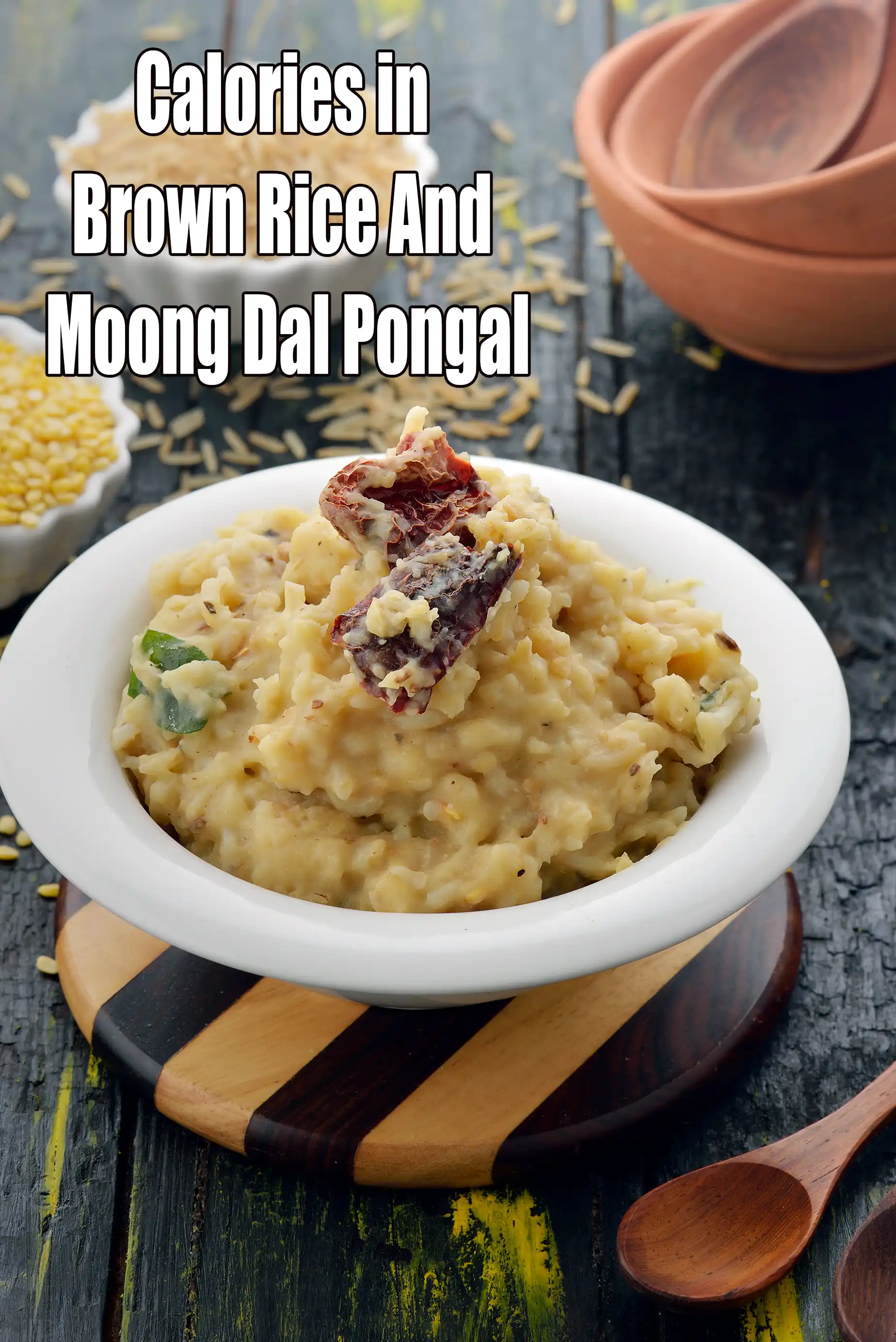
Table of Content

Calories of Brown Rice and Moong Dal Pongal
Brown Rice and Moong Dal Pongal | South Indian Breakfast Dish | blood pressure friendly |
Brown Rice and Moong Dal Pongal is a wholesome South Indian breakfast dish that combines brown rice and yellow moong dal (split yellow gram) to create a flavorful, yet health-conscious meal. On the Tarla Dalal recipe page, the author highlights how brown rice — as a nutrient-dense alternative to white rice — brings more fiber and lower sodium to the classic pongal preparation, making it suitable for those watching their blood pressure and overall health.
Is Brown Rice and Moong Dal Pongal healthy
Brown Rice and Moong Dal Pongal is a nutrient-dense dish that combines complex carbohydrates, plant protein, and dietary fiber in one comforting meal. Brown rice retains its bran layer, making it richer in fiber, magnesium, and antioxidants, while moong dal adds easy-to-digest protein that supports muscle repair and satiety.
This dish is also gentle on digestion and, when prepared with low salt and minimal fat, becomes suitable for daily consumption. The use of simple spices like ginger, cumin, and asafoetida further enhances digestion, making it a balanced and wholesome meal for all age groups.
Is Brown Rice and Moong Dal Pongal good for diabetes
Yes, Brown Rice and Moong Dal Pongal can be diabetes-friendly when portion-controlled. Brown rice has a lower glycaemic index than white rice, which helps prevent sudden blood sugar spikes. Moong dal contributes protein and soluble fiber, slowing glucose absorption into the bloodstream.
Additionally, the absence of refined ingredients and the option to keep the dish low in salt and fat makes it suitable for people managing diabetes. Pairing it with vegetable-rich sides can further improve blood sugar response and nutritional value.
Is Brown Rice and Moong Dal Pongal good for heart health
This pongal is considered heart-healthy, especially in its low-salt version. Brown rice provides fiber that helps reduce LDL (bad) cholesterol, while moong dal offers potassium and magnesium, minerals that support healthy blood pressure levels.
Using minimal oil and avoiding excess ghee helps keep saturated fat in check. The inclusion of spices like cumin and ginger also supports circulation and digestion, making this dish suitable for cardiac-friendly diets.
Is Brown Rice and Moong Dal Pongal good for weight loss
Brown Rice and Moong Dal Pongal can support weight loss due to its high fiber and protein content, which promotes fullness and reduces unnecessary snacking. Compared to refined rice dishes, it provides long-lasting energy with fewer empty calories.
When prepared with less oil and controlled portions, it becomes an excellent option for a satiating breakfast or light lunch. Adding vegetables increases volume without significantly increasing calories, helping maintain a calorie deficit.
Ways to make Brown Rice and Moong Dal Pongal healthier
- Use less ghee or oil in tempering
- Add mixed vegetables like carrots, beans, or spinach
- Keep salt minimal and rely on spices for flavor
- Increase the proportion of moong dal for more protein
- Use hand-pounded or unpolished brown rice
- Avoid heavy sides; pair with low-fat curd or vegetable chutney
| Value serving | % Daily Values | |
| Energy | 168 kcal | 8% |
| Protein | 6.3 g | 11% |
| Carbohydrates | 28.1 g | 10% |
| Fiber | 2.31 g | 8% |
| Fat | 3.32 g | 6% |
| Cholesterol | 0.0 mg | 0% |
| VITAMINS | ||
| Vitamin A | 31.8 mcg | 3% |
| Vitamin B1 (Thiamine) | 0.2 mg | 13% |
| Vitamin B2 (Riboflavin) | 0.0 mg | 2% |
| Vitamin B3 (Niacin) | 1.4 mg | 10% |
| Vitamin C | 0.0 mg | 0% |
| Vitamin E | 0.0 mg | 0% |
| Folic Acid (Vitamin B9) | 31.0 mcg | 10% |
| MINERALS | ||
| Calcium | 21.6 mg | 2% |
| Iron | 1.1 mg | 6% |
| Magnesium | 54.6 mg | 12% |
| Phosphorus | 135.0 mg | 14% |
| Sodium | 102.9 mg | 5% |
| Potassium | 277.5 mg | 8% |
| Zinc | 1.0 mg | 6% |
Percent Daily Values are based on a 2000 calorie diet. Your daily values may be higher or lower depending on your calorie needs.
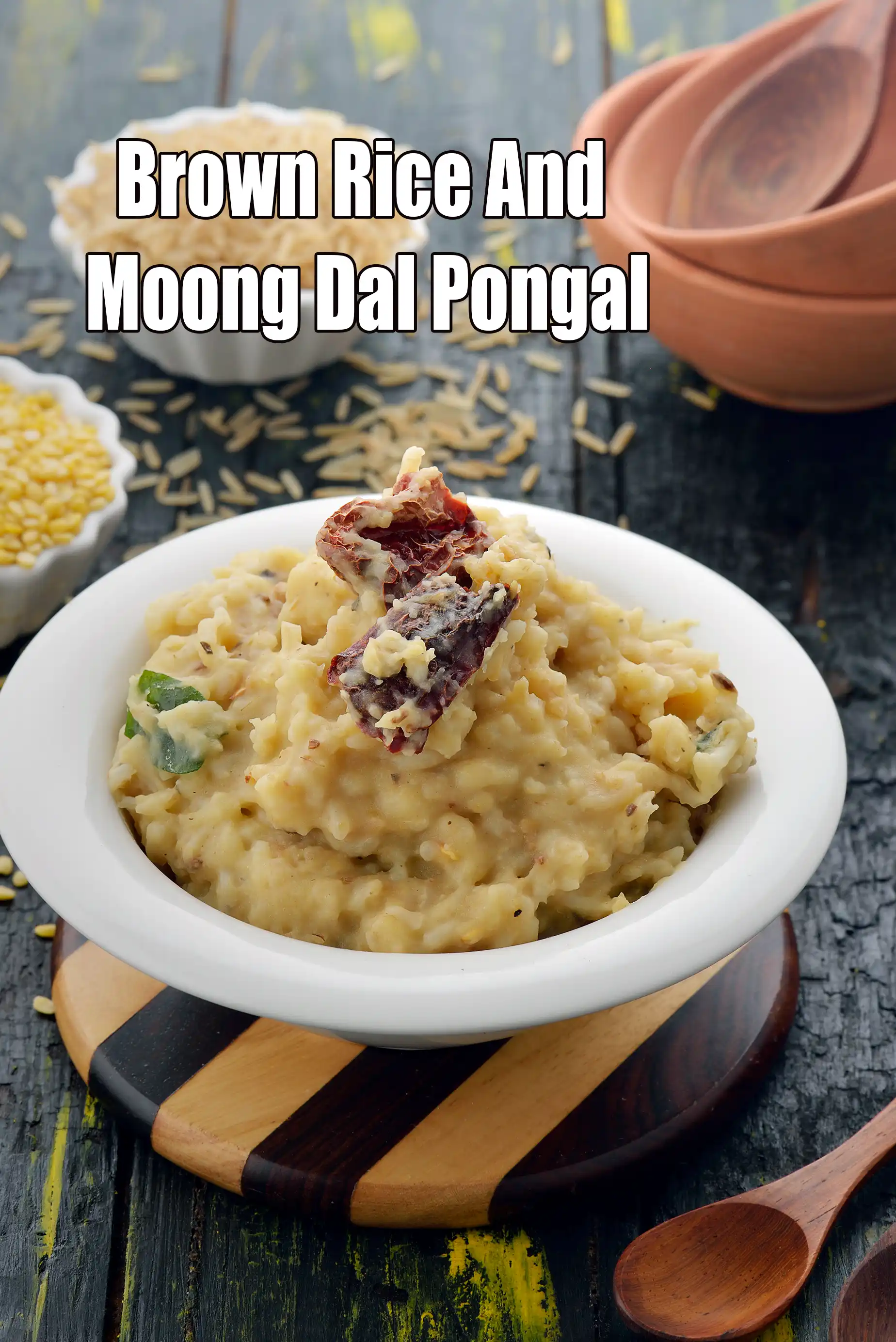
Click here to view Brown Rice and Moong Dal Pongal, Low Salt Recipe