Red Chilli Powder: Uses, Benefits, Types & Recipes | Tarla Dalal Glossary
 Tarla Dalal
• Updated : Jan 19, 2026
Tarla Dalal
• Updated : Jan 19, 2026
In the Indian culinary landscape, chilli powder is far more than just a spice; it's an indispensable and vibrant element. It represents the very soul of Indian cuisine, providing a fiery kick, rich color, and complex flavors. Despite being introduced by the Portuguese approximately 400 years ago, chillies were embraced with such enthusiasm that they are now deeply intertwined with India's traditional recipes and cultural practices, symbolizing warmth, passion, and vitality.
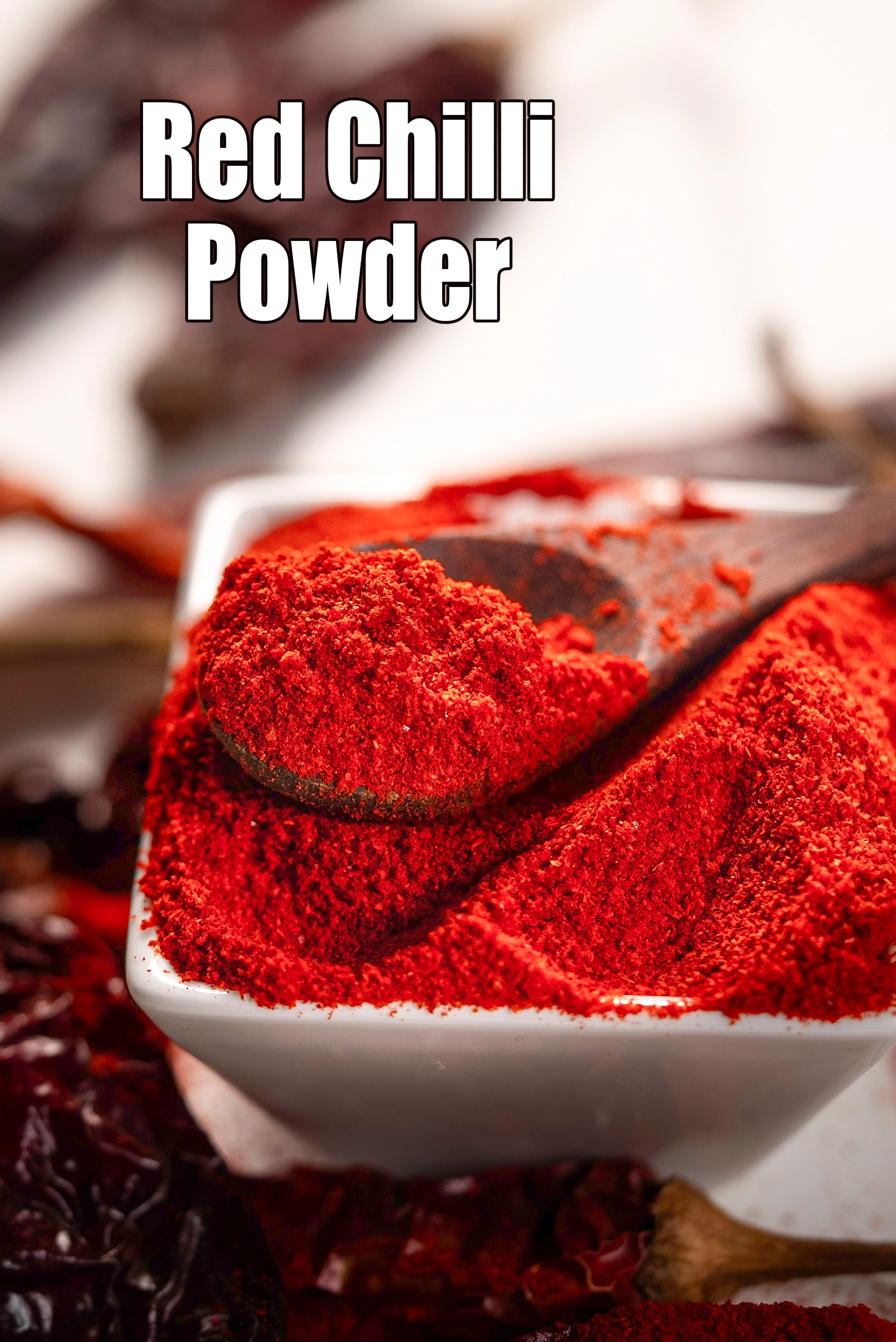
Table of Content

What is red chilli powder, lal mirchi ?
Within the Indian context, "chilli powder" specifically denotes ground dried chilli peppers, differing from its Western counterpart which is often a spice blend. India boasts hundreds of chilli varieties, each possessing unique flavor profiles, heat levels, and colors. Notable types include the fiery Guntur and Sannam chilliesfrom Andhra Pradesh, known for intense heat; Karnataka's Byadgi chilli, valued for its deep red color and mild heat; and the vibrant Kashmiri chilli, celebrated for its brilliant red hue and mild pungency, used for color without excessive spice. Regional preferences play a key role in the selection of chillies, resulting in a diverse array of powders.
The applications of chilli powder are remarkably varied, showcasing India's extensive culinary traditions. It serves as a fundamental component in nearly all Indian curries, contributing its distinct heat and often a recognizable red color. Beyond gravies, it's incorporated into marinades for meats and vegetables, dry rubs, lentil preparations (dals), stir-fries, and spicy snacks. In South India, hotter varieties such as Guntur are vital for powerful curries and pickles, whereas in Northern India, Kashmiri chilli powder is preferred for dishes like Rogan Josh and butter chicken, emphasizing color alongside a gentle warmth.
Throughout India, chilli powder is also essential to various cultural and daily culinary practices. It is a staple found in every "masala dabba" (spice box) within Indian households. Certain regional cuisines, such as those from Andhra Pradesh, are famous for their high spice levels, where chilli powder is a defining ingredient, even thought to be a countermeasure against intense heat. It's used in homemade spice blends, chutneys, and even in ceremonial dishes, with communities customizing spice levels based on personal and familial preferences.
Beyond its culinary uses, chilli powder is also valued for its health benefits in the Indian context. It contains capsaicin, a compound known for potentially boosting metabolism, aiding weight loss, and exhibiting anti-inflammatory properties, offering pain relief. Additionally, it is a significant source of vitamins A and C, which support a stronger immune system and overall well-being. This dual function as both a flavor enhancer and a health promoter solidifies chilli powder's crucial position in Indian kitchens and its lasting legacy in the nation's rich food heritage.
Also Known as
Lal Mirchi powder
How to Select Red Chilli Powder?
• Read the labels before buying.
• As far as possible, avoid those that vaguely mention free-flowing agents or preservatives in the ingredient list, because pure chilli powder without such additives is easily available in stores, so you can do away with these added chemicals!
• Make sure you buy from a trusted source because the possibility of contaminating red chilli powder with other powders, red food colour, etc., is high.
• Check the seal of the package and the use-by date.
Culinary uses of Chilli Powder, Red Chilli Powder
Indian Snacks using chilli powder
Snacks should be spicy and chatpata to bring back the mood. Snacks can actually make you fresh for the day, as you eat your comfort food. Try these snack recipe and you will surely enjoy.
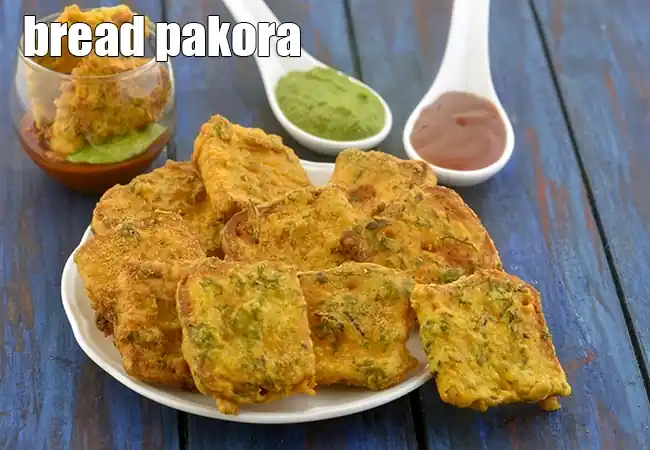
1. Bread Pakora a very famous Mumbai Street Food, quick evening snack and Indian breakfast which is famous and widely eaten all over India
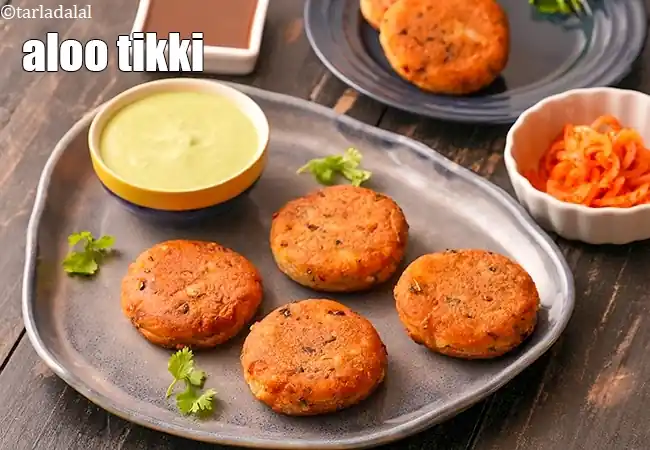
2. Aloo Tikki a relatively simple version that you can prepare with readymade spice powders.
3. Paneer Tikka Roll a famous street food that comes from Kolkata and West Bengal.
4. Pasta in Tomato Sauce pasta combined with homemade fresh tomato pulp, tomato ketchup, herbs and spring onions. This is so delicious that it retains its strong aroma and flavour.
5. Masala Cheese Toast a scrumptious toast with a masaledar veggie topping that reminds you of all-time favourites like Samosa and Veg Puffs.
Gujarati recipes using chilli powder
Guajarati likes less spicy, but they enjoy their dals, farsaans and sabzi to be a little spicier at times. Here are specialty of Guajarati recipes, try it and you will know. why the food is so delicious .
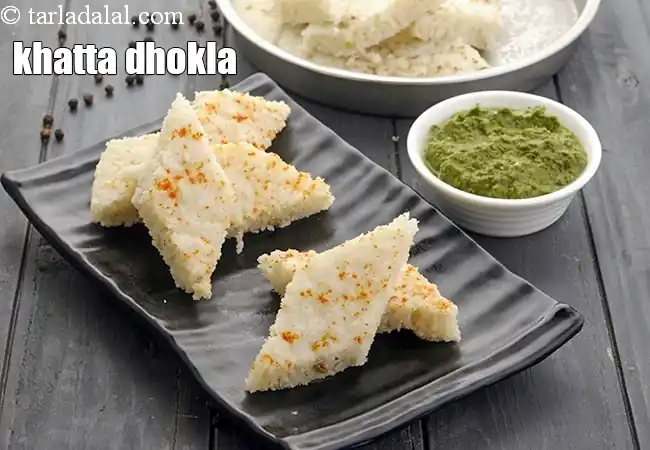
1. Khatta Dhokla a soft and fluffy steamed snack from the Gujarati repertoire. This all-time favourite is enjoyed as a starter, as a tea-time snack, or even for breakfast.
2. Mixed Dal Handvo every Gujarati household has their own way of making handvo and here we have shared our version of Gujarati handvo.
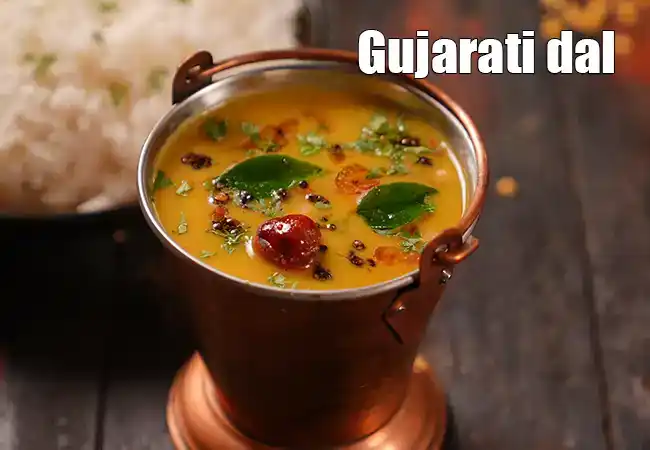
3. Gujarati Dal a characteristic sweet and sour taste, this traditional dal recipe is quite reflective of Gujarati culture and uses the typical ingredients and spices.
4. Dal Dhokli a perfect combination of spiced whole wheat flour dhoklis simmered in Gujarati dal.
5. Ragda Patties introduction to the food-lover. For the rest of you, it’s a yummy dish of potato patties, stuffed with spiced safed vatana, and drowned in a tongue-tickling gravy.
• Chilli powder is commonly used in Indian cuisine to make foods spicier.
• Used it moderation it adds a lovely red glow and sharp flavour to dishes without making it unpalatable.
• Include in any pot of beans or with baked corn and casseroles.
• It can be used to make marinades for paneer or sliced vegetables.
• It adds a wonderful spicy touch to tomato-based sauces.
How to Store Red Chilli Powder
• Chilli powder has a long shelf life.
• Store away from light and heat in airtight containers.
• It will remain fresh up to two years.
• Chunks of asafoetida can be added to retain its freshness.
Benefits of Red Chilli Powder (Lal Mirchi Powder)
Red chilli powder, a staple in Indian kitchens, is much more than just a spice that adds heat, vibrant color, and depth to dishes. The star compound capsaicin (along with vitamins and minerals) provides several science-backed health benefits when consumed in moderation as part of a balanced diet.
Here are the top evidence-based benefits:
- Boosts Metabolism & Aids Weight Management Capsaicin increases thermogenesis (heat production in the body), helping burn more calories. It can also reduce appetite and promote fat oxidation. Studies show modest support for weight loss when combined with a healthy diet and exercise.
- Supports Heart Health Capsaicin may help lower bad cholesterol (LDL), reduce triglycerides, improve blood circulation, relax blood vessels (thanks to high potassium), and potentially decrease blood pressure. Regular spicy food consumption has been linked to lower cardiovascular mortality in some population studies.
- Improves Digestion It stimulates gastric juice secretion, enhances enzyme activity, and helps relieve constipation, gas, and bloating. It also reduces harmful gut bacteria, supporting overall gut health — a reason it's essential in Indian cooking.
- Rich in Antioxidants & Vitamins High in vitamin C (more than oranges per serving in some cases), vitamin A(beta-carotene for vision & skin), and vitamin E. These act as powerful antioxidants, fighting free radicals, supporting immune function, and promoting healthy skin/hair.
- Anti-Inflammatory & Pain Relief Capsaicin has strong anti-inflammatory properties and acts as a natural analgesic (pain reliever). Topical use is famous for arthritis/joint pain, while dietary intake may help reduce general inflammation.
- Clears Nasal Congestion & Boosts Immunity The heat thins mucus, relieves sinus congestion, and fights bacteria/viruses — a traditional remedy for colds. Vitamin C further strengthens immunity.
- May Support Blood Sugar Control Some evidence suggests capsaicin improves insulin sensitivity and helps regulate blood sugar levels (beneficial for diabetes management in moderation).
Nutritional Snapshot (approximate per 100g of red chilli powder)
- Calories: ~280–360 kcal
- Protein: ~12–20g
- Carbs: ~30–50g
- Fat: ~10–20g
- Rich in: Vitamin A, Vitamin C, Iron, Potassium, Magnesium
Important Note — Moderation is key! Excessive intake can cause stomach irritation, heartburn, or other issues, especially for those with acid reflux, ulcers, or sensitive digestion. Always consult a doctor if you have health conditions.
In Indian cuisine, red chilli powder not only enhances flavor but also makes everyday meals healthier. Start with small amounts and enjoy the fiery goodness! 🌶️
FAQs
1. What is red chilli powder made of?
Red chilli powder is made by drying and grinding whole red chilli peppers (Capsicum annuum). In India, it's usually pure ground dried chillies without any added colours or fillers, though quality can vary by brand.
2. Is red chilli powder the same as cayenne pepper or paprika?
No.
- Red chilli powder (Indian lal mirchi powder) is usually much hotter and made from hotter Indian varieties.
- Cayenne pepper is hotter but made from a specific type of chilli.
- Paprika (especially sweet paprika) is milder and mainly used for colour.
3. Which is the best red chilli powder for Indian cooking?
It depends on the dish:
- Kashmiri red chilli powder → Best for colour (bright red, mild heat) – ideal for butter chicken, paneer tikka, Rogan Josh.
- Guntur or Sannam (Andhra) → Very hot, best for spicy curries and pickles.
- Byadgi (Karnataka) → Medium heat + excellent deep red colour, great all-purpose. For everyday home cooking, a good-quality Kashmiri or Byadgi blend is most versatile.
4. Is red chilli powder good for health?
Yes, in moderation! It contains capsaicin, vitamins A & C, iron, and potassium. Benefits include:
- Boosts metabolism & helps in weight management
- Improves digestion
- Supports heart health
- Rich in antioxidants
- Helps relieve congestion and inflammation (Too much can cause acidity or stomach irritation.)
5. How to store red chilli powder so it stays fresh?
- Keep in an airtight container
- Store in a cool, dark, dry place (away from sunlight and heat)
- Add a small piece of asafoetida (hing) to prevent insects and retain freshness
- Properly stored, it stays fresh and aromatic for up to 1.5–2 years
6. Can red chilli powder expire? Yes, but it doesn’t really “go bad” like food — it just loses flavour, aroma, and colour over time. Check for:
- Dull colour
- Weak smell
- Presence of lumps or insects If it smells off or has bugs, discard it.
7. How to check if red chilli powder is pure or adulterated?
- Pure chilli powder is slightly oily and has a strong aroma
- Adulterated powder often looks too bright (added colour), has a powdery texture, or contains artificial colours
- Best test: Mix a little in water — pure chilli powder settles slowly and doesn’t leave bright red streaks instantly
8. Is Kashmiri chilli powder less spicy?
Yes, Kashmiri red chilli powder is one of the mildest Indian chilli powders. It gives beautiful deep red colour with very mild heat — perfect when you want flavour and colour without too much spiciness.
9. Can I use red chilli powder instead of fresh chillies?
Yes, absolutely!
- 1 tsp red chilli powder ≈ 2–3 dry red chillies (adjust according to heat level)
- It’s more convenient and gives consistent heat and colour in curries, dals, and snacks.
10. Is red chilli powder safe during pregnancy?
In moderate amounts, yes. It aids digestion and adds flavour. But avoid very spicy food if you have acidity, heartburn, or gastric issues during pregnancy. Always listen to your body and consult your doctor.

Kashmiri red chilli powder
Kashmiri red chili powder is a popular spice in Indian cuisine, particularly known for its vibrant red color and mild heat.Here's a breakdown:
- Origin:
It's made from Kashmiri red chilies, which are specifically grown in the Kashmir region of India.
- Characteristics:
Color: It's prized for its deep, rich red color, which it imparts to dishes.
Heat: It's relatively mild compared to other chili powders, making it suitable for those who prefer less spice.
Uses of Kashmiri red chili powder
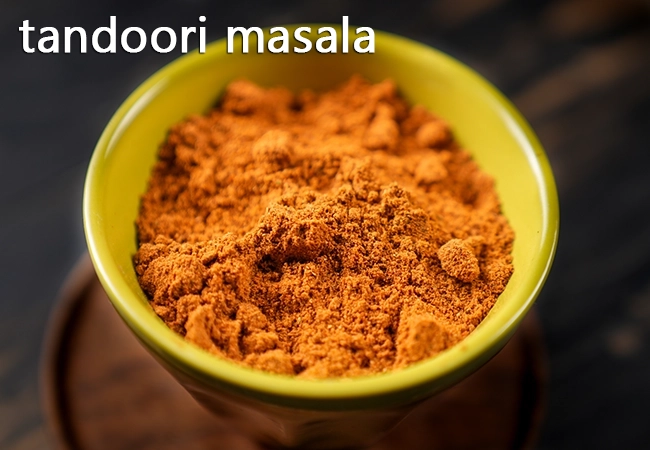
tandoori masala recipe | homemade tandoori masala | tandoori spice mix

Related Recipes
Veg Frankie, Mumbai Roadside Recipe
Sambar Recipe, South Indian Homemade Sambar Recipe
Pav Bhaji ( Mumbai Roadside Recipes )
More recipes with this ingredient...
chilli powder (1676 recipes), Kashmiri red chilli powder (62 recipes)

Related Glossary
Follow US
Recipe Categories
- Vitamin B12 Cobalamin Rich 35 recipes
- Low Calorie, Weight Loss Indian 423 recipes
- Low Cholesterol Indian 314 recipes
- Healthy Indian Breakfast 374 recipes
- Indian Diabetic 564 recipes
- Indian Pregnancy 461 recipes
- Zero Oil Indian Recipes 133 recipes
- Iron Rich Indian 268 recipes
- Healthy Indian Acidity recipes 137 recipes
- Healthy Sabzis 108 recipes
- Indian Healthy Veg Snack 276 recipes
- Healthy Heart Recipes 421 recipes
- Healthy Veg Indian Soups 74 recipes
- Calcium Rich Indian 373 recipes
- High Blood Pressure Indian Recipes 104 recipes
- Healthy Indian Salads Recipes 137 recipes
- Low Carb Indian Diet, recipes 163 recipes
- Hypothyroidism Diet 63 recipes
- Arthritis Diet 68 recipes
- High Protein Indian recipes 95 recipes
- Vitamin K Diet 42 recipes
- Fatty Liver Diet 39 recipes
- PCOS 136 recipes
- Gluten Free Veg Indian 197 recipes
- High Fiber 329 recipes
- Indian Cancer Patients 275 recipes
- Jaundice Diet 45 recipes
- Sprouts 61 recipes
- Typhoid 43 recipes
- Irritable Bowel Syndrome (IBS) 23 recipes
- Kidney Stone Diet 10 recipes
- Home Remedies 213 recipes
- Senior Citizen 195 recipes
- Healthy Indian Drinks and Juices 214 recipes
- Diet for Dialysis 10 recipes
- Gout Indian Recipes 17 recipes
- Potassium Rich 80 recipes
- Vegan 195 recipes
- Indian recipes to treat Vomiting 8 recipes
- Forever Young Diet, Anti Aging Indian Diet 255 recipes
- Antioxidant Rich Indian 445 recipes
- Vitamin B1 Rich Indian Foods, Recipes 101 recipes
- High in Omega 3 Fatty Acids 32 recipes
- Zinc Rich Foods 55 recipes
- Vitamin A Rich, Beta Carotene, Retinol 89 recipes
- Malaria Diet 19 recipes
- Magnesium Rich 94 recipes
- Vitamin C Rich Indian recipes 118 recipes
- Healthy Indian Dinner 85 recipes
- Low Veg Glycemic Index 86 recipes
- Lower Blood Pressure Salads 8 recipes
- Healthy Indian Lunch Recipes 29 recipes
- Lactation 25 recipes
- Vitamin E Rich 51 recipes
- Hyperthyroidism Diet 47 recipes
- Vitamin B3, Niacin Rich 41 recipes
- Post Surgery Diet 42 recipes
- Selenium 27 recipes
- Phosphorus Rich Indian Recipes, Foods 74 recipes
- Lower Blood Pressure Desserts Sweets 14 recipes
- Copper 15 recipes
- Foods Rich in Vitamin B2 Riboflavin 22 recipes
- Vitamin B6 Diet 36 recipes
- B Vitamins 231 recipes
- Vitamin B9 Rich Folate 50 recipes
- Marathoners, Endurance Athletes, Triathlete 225 recipes
- Manganese Diet 32 recipes
- Thalassemia 18 recipes
- Detox Water, Fruit Infused Water 42 recipes
- Lactose Free Dairy Free 22 recipes
- Omega 6 Fatty Acids 32 recipes
- Phytonutrients 51 recipes
- Chronic Kidney Disease Indian recipes 12 recipes
- Selenium1 0 recipes
- Quick Snacks / Quick Starters 385 recipes
- Quick Breakfast Indian 131 recipes
- Quick & Easy Indian Sabzi 117 recipes
- Quick Rotis and Parathas 46 recipes
- Quick Indian Sweets 139 recipes
- Quick Stir-Fries 51 recipes
- Quick Vegetarian Indian Soups 72 recipes
- Quick Chutneys 67 recipes
- Quick Vegetarian Rice, khichdi Recipes 56 recipes
- Indian Snacks Under 10 Minutes (Quick Veg Recipes) 44 recipes
- Quick Indian Dips, Gravies & Sauces 105 recipes
- Quick Veg Indian Pizza 17 recipes
- Quick Veg Pasta 25 recipes
- Quick Pickles / Aachar 25 recipes
- Quick Dals / quick Kadhis 29 recipes
- Snacks under 5 minutes 33 recipes
- Quick Healthy Recipes 43 recipes
- Quick Pressure Cooker 46 recipes
- Quick Desserts 48 recipes
- Quick 3 Ingredients 63 recipes
- Quick Indian Desserts 21 recipes
- Quick 4 Ingredients 41 recipes
- Quick 5 Ingredients 42 recipes
- Kids Tiffin Box 319 recipes
- Recipes for Toddlers (1-3 Years) 32 recipes
- Sweet Recipes for Kids 456 recipes
- Recipes for Baby (10 to 12 Months) 17 recipes
- Quick Indian recipes for Kids 72 recipes
- Indian Breakfast Recipes for Kids 194 recipes
- Recipes for Weaning (8 to 9 months) 22 recipes
- Healthy Foods for Kids 196 recipes
- Snack Recipes for Kids 620 recipes
- Recipes Kids can make 36 recipes
- Kids After School 794 recipes
- Kids Jar Snacks 67 recipes
- Finger Foods for Babies, Toddlers and Kids 76 recipes
- Kids Weight Gain 43 recipes
- Kids Wraps and Rolls 23 recipes
- Kids Veg Pasta 27 recipes
- Kids Brain Boosting 68 recipes
- Protein rich food for kids 71 recipes
- Recipes for Weaning 15 recipes
- Kids Pizzas 30 recipes
- Babies, Toddler and Kids Iron Rich Foods 31 recipes
- High Fiber Foods for Kids 40 recipes
- Kids High Energy Indian Foods 103 recipes
- Kids Noodles 37 recipes
- Kids Calcium Rich Indian recipes 92 recipes
- Babies recipes, 6 to 18 months 34 recipes
- Kids Recipes for Increasing Immunity 10 recipes
- Kids Weight Loss 58 recipes
- Teething Recipes for Babies 10 recipes
- Cereals and Pulses for 8 to 9 months Baby 8 recipes
- Weaning foods at 7 months 12 recipes
- Indian Teen 315 recipes
- Starters / Snacks 2139 recipes
- Indian Breakfast 820 recipes
- Main Course Recipes 928 recipes
- Indian Salads 385 recipes
- Indian Desserts , Sweets 985 recipes
- Indian Soups 249 recipes
- Indian Drinks (Chai, Lassi & More) 484 recipes
- Indian Dinner 903 recipes
- Indian Dinner1 0 recipes
- Indian Lunch 829 recipes
- Side Dishes 449 recipes
- Indian Travel Food 433 recipes
- Indian Barbeque1 recipes 22 recipes
- Frozen Foods, Indian Freezer Recipes 67 recipes
- Whole Wheat Recipes 56 recipes
- Indian Comfort Foods 212 recipes
- Dinner Menus 56 recipes
- Easy Indian Veg 70 recipes
- Innovative Indian Recipes 27 recipes
- No Cook Indian 37 recipes
- Advanced Recipes 10 recipes
- Cakes with Eggs 13 recipes
- Microwave 229 recipes
- Oven 619 recipes
- Indian Steamer Recipes 102 recipes
- Kadai Veg 407 recipes
- Indian Barbeque Recipes 43 recipes
- Sizzler tray 15 recipes
- Mixer 566 recipes
- Pressure Cooker 315 recipes
- Tava 647 recipes
- Non-stick Pan 1393 recipes
- Indian Freezer recipes, meals 57 recipes
- Appe Mould 18 recipes
- Pan 223 recipes
- Non Stick Kadai Veg 203 recipes
- kadai Indian 150 recipes
- Refrigerator 176 recipes
- Waffle Indian recipes 6 recipes
- Handi 12 recipes
- Juicer and Hopper 65 recipes
- Grill 31 recipes
- Toaster 21 recipes
- Gas Toaster 8 recipes
- Healthy Indian steamed 73 recipes
- No Cooking Veg Indian 335 recipes
- Vegetarian baked Indian recipes 381 recipes
- Boiled Indian recipes 129 recipes
- Deep Fry 261 recipes
- Indian Tawa 265 recipes
- Shallow Fry Indian 25 recipes
- Microwave1 172 recipes
- Saute 273 recipes
- Indian Pressure Cooker 171 recipes
- Stir-fry 101 recipes
- Roasting 0 recipes