Search & Articles
Search from thousands of articles from sabzi, roti, chawal, dal, paneer, Indian recipes to health articles.
Indian Foods To Avoid With High Blood Pressure
 Tarla Dalal
• Updated : Jan 07, 2026
Tarla Dalal
• Updated : Jan 07, 2026
High Blood Pressure (Hypertension) is a growing health concern and can lead to serious complications such as heart disease, stroke, kidney failure, and cardiovascular problems if not managed properly.

Indian Foods to avoid with High Blood Pressure
Table of Content

Foods that raise blood pressure
One of the most effective ways to control blood pressure naturally is through dietary and lifestyle modifications. Certain Indian foods high in sodium, unhealthy fats, and refined ingredients can cause fluid retention and increase blood pressure levels. This article focuses on Indian foods to avoid with high blood pressure, including bread, maida, cheese, ghee, spinach, cashew nuts, muskmelon, processed foods, and salty snacks. Understanding which foods negatively affect blood pressure controlhelps reduce health risks and supports long-term heart health. By avoiding these high-sodium Indian foods and adopting healthier eating habits, individuals with hypertension can better manage their condition and improve overall well-being.
High blood pressure cannot be cured, but it can usually be controlled and by doing so you'll lower your risk of other complications like congestive heart failure, heart attacks, stroke, kidney failure etc. Keep high B.P under control simply by making a few lifestyle and dietary modifications.
Indian Foods to Avoid with High Blood Pressure
| 1. | Fresh Corn | 22. | Muskmelon |
| 2. | Maida | 23. | Cow’s Milk |
| 3. | Bread | 24. | Salted Butter |
| 4. | Noodles | 25. | Cheese |
| 5. | Pizzas | 26. | Ghee |
| 6. | Burgers | 27. | Margarine |
| 7. | White Rice | 28. | Ketchup |
| 8. | Corn Flakes | 29. | Canned Products |
| 9. | Chana Dal | 30. | Bottled Salad Dressings |
| 10. | Whole Masoor | 31. | Achar |
| 11. | Vaal | 32. | Vinegar |
| 12. | Spinach | 33. | Baking Powder |
| 13. | Fenugreek Leaves | 34. | Baking Soda |
| 14. | Chawli Leaves | 35. | Peanut Butter |
| 15. | Coriander Leaves | 36. | Mayonnaise |
| 16. | Lettuce | 37. | Papad |
| 17. | Beetroot | 38. | Chocolate |
| 18. | Lotus Stems | 39. | Alcohol |
| 19. | Coconut | 40. | Cakes |
| 20. | Cashew-nut | 41. | Chips |
| 21. | Lichi |
foods to avoid when you have high blood pressure with images and reason on why.
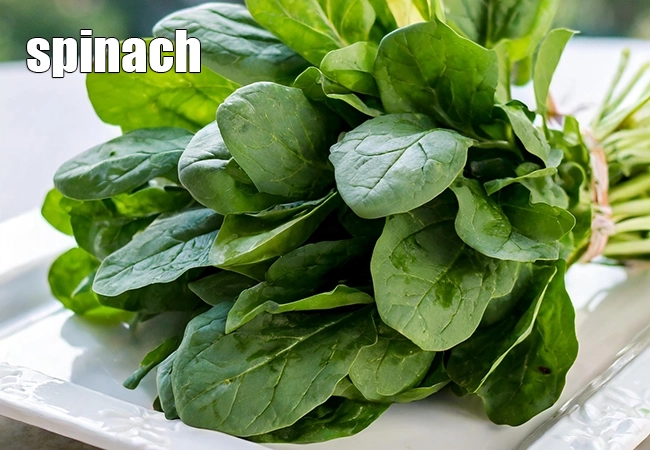
1. Spinach: Spinach having a high sodium count is best avoided by hypertensives. Moreover spinach is also used in good quantities in most recipes, thus to avoid fluctuations in blood pressure avoid spinach.
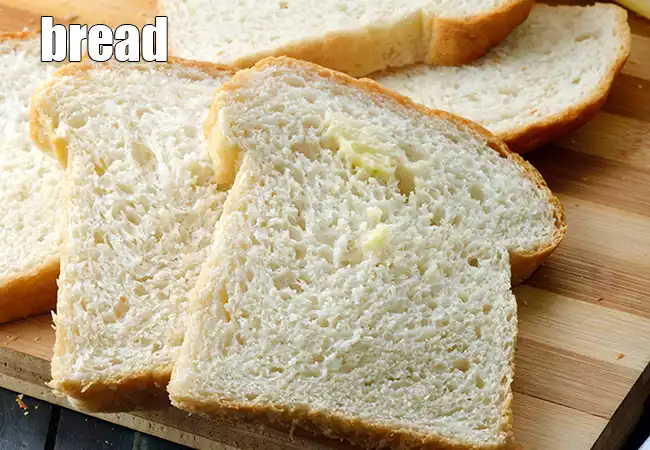
2. Bread : Bread is one ingredient, which is irresistible by most of us. But bread has the highest amount of salt and thus sodium. Moreover plain bread's main ingredient is maida, which does no good to your body as it will raise the blood sugar levels and shut down the fat burning. These 2 particulars are enough to make it a No-No for hypertension.
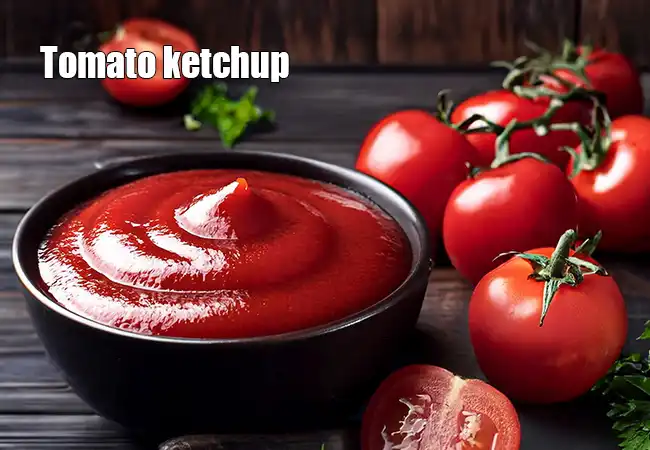
3. Tomato Ketchup : Tomato ketchup and other ready to eat sauces have high amounts of salt being added as preservative. These can be tagged as ‘worst foods’ for hypertensive’s.
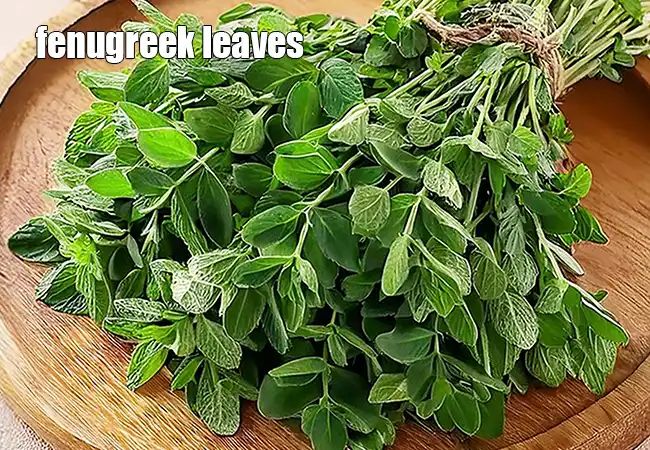
4. Fenugreek leaves : Fenugreek leaves also is as a leafy vegetable best avoided by hypertensive due to its sodium count.
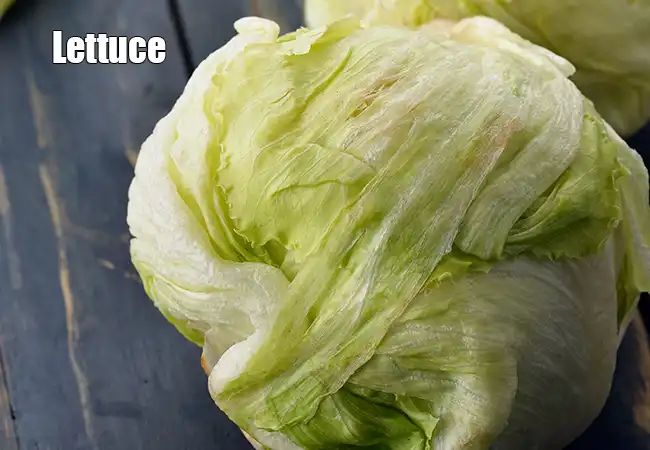
5. Lettuce : Lettuce has almost same sodium count like spinach, thus best dodged from our diet. Alternatively toss it in salad in small quantities with other high potassium foods.
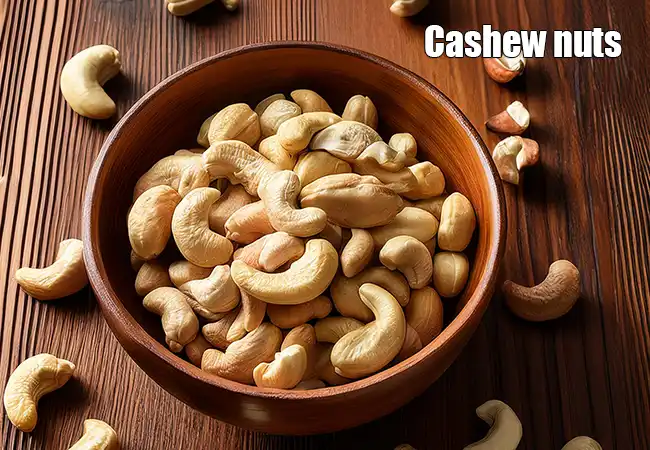
6. Cashew nuts : Cashew nuts are loaded with calories and fats, so hypertensive’s who have obesity or high cholesterol and have been advised to restrict the consumption of fat should avoid it.
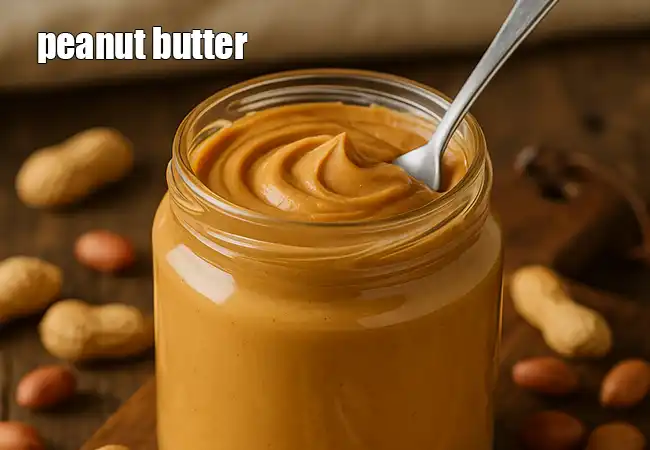
7. Peanut Butter : Readymade peanut butter is another sodium brimming ingredient, so avoid it. If you want to enjoy it try small quantities of Homemade Peanut Butter made with unsalted peanuts.
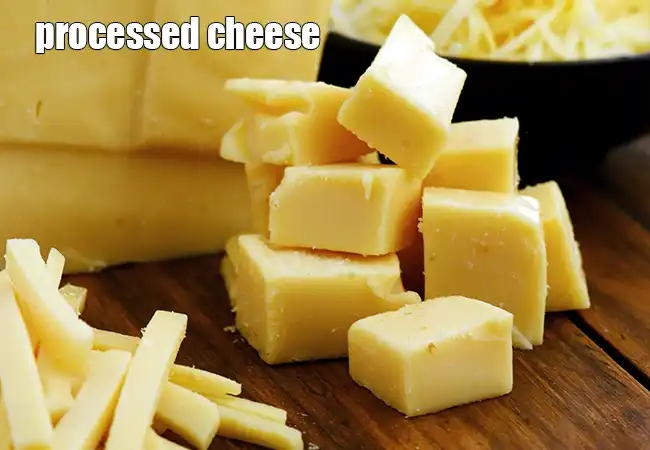
8. Processed cheese : Processed cheese is fat-laden. You do not need that excess fat. It can pile up and clog the arteries and may be a causative factor of heart disease.
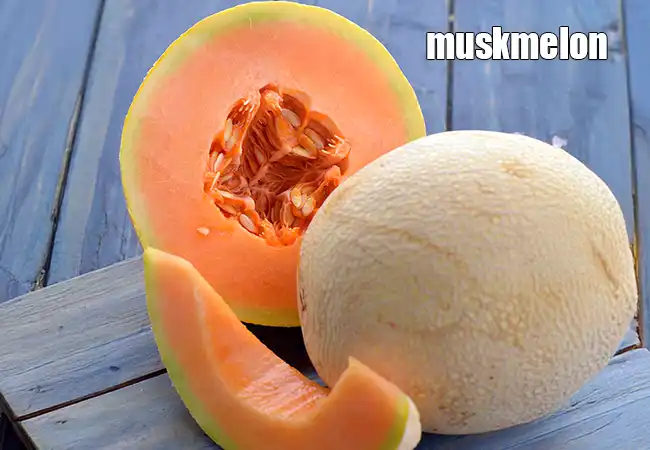
9. Muskmelon : Muskmelon is one fruit, which too has good amounts of sodium. You can avoid it or combine it with other low sodium fruits. There are a variety of other fiber rich fruits to choose from.
Lifestyle Modifications to Lower Blood Pressure
Most of us lead unhealthy lifestyles with minimum physical activity, erratic and unwholesome meals, and several other bad habits. Just a few simple changes in lifestyle can help to control high B.P.

1. Lose weight if you’re overweight and try to maintain your ideal body weight. To do this, be more physically active and follow a regular exercise regime (at least 30 minutes a day). A regular exercise programme may help lower blood pressure over the long term. For example, activities such as jogging, bicycle riding, or swimming for 30 to 45 minutes daily may ultimately lower blood pressure by as much as 5-15 mm Hg. Remember however that only aerobic exercise programmes have a beneficial effect on blood pressure.
2. Quit smoking.
3. Banish alcohol.
4. Manage stress through relaxation techniques, regular exercise and a positive attitude.
Dietary Modifications to Lower Blood Pressure
Food habits these days are more a matter of convenience than following a sensible diet. We tend to eat all the wrong things because we lack time or the inclination to cook wholesome meals. To regulate high B.P make these important changes in your daily diet.
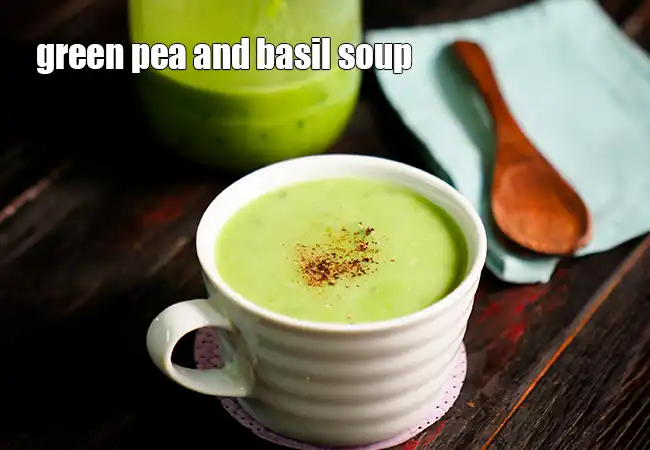
1. Say ‘no’ to excess fat and sugar! See our low salt healthy green pea and basil soup.
green pea and basil soup recipe | pea basil Indian soup | low salt green pea and basil soup | Green pea and basil soup, specially crafted for those on low-salt diets |
2. Eat a healthy and a well balanced diet low in saturated fat and cholesterol as fat is the main culprit for causing blocks in the blood vessels. See our low fat, healthy low salt oats, moong dal veg khichdi made with minimum fat.
3. Restrict the fat content (oil + ghee) to only 3 teaspoon per day. Use measuring spoons to be accurate and to keep a watch on your fat intake.
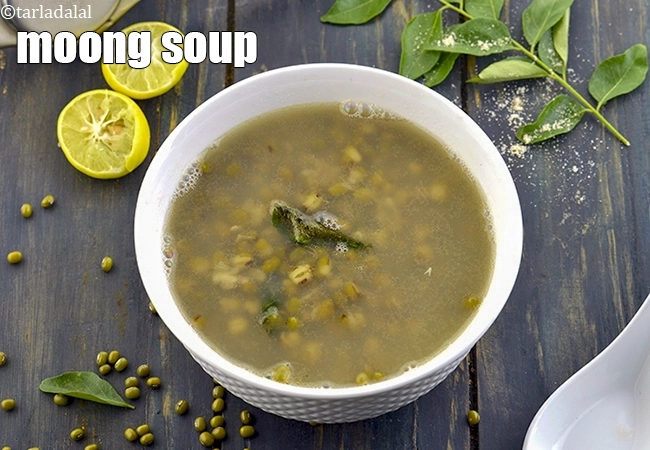
moong soup recipe | moong soup for blood pressure, diabetes, hypothyroidism, heart, PCOS | healthy pregnancy soup |
For individuals with high blood pressure, moong soup can be an ideal choice when salt is restricted. The potassium and magnesium in moong help regulate blood pressure and support healthy circulation. The use of olive oil and minimal salt ensures that the dish remains heart-friendly. Additionally, the antioxidants in moong protect against oxidative stress, further benefiting heart health.
4. Choose healthy cooking methods like baking, steaming, and roasting instead of frying and shallow frying and avoid deep fried foods and fat-laden processed foods like bread, biscuits, khari, etc. We have made a special low salt high fibre multigrain bread just for you.
5. Think carefully about your food choices if you dine out frequently. Don’t get tempted by the high-fat or sugary options.
6. Opt for low fat milk and milk products to keep a check on your saturated fat intake. We have used skim milk powder to make low fat milk and milk products in our recipes. Alternatively can make low fat milk at home. All you need to do is boil the milk and skim the fat layer (malai) that is formed after it has cooled. Repeat this procedure atleast twice or thrice to get almost low fat milk. Note that buffalo’s milk is low in sodium as compared to cow’s milk hence prefer the former than latter.
7. Restrict the intake of calorie-laden nuts and oilseeds like almonds, pistachionuts, cashewnuts etc as excess calories can lead to obesity, a major cause of high B.P.
8. Restrict the intake of sugar by avoiding extra table sugar in your diet. Avoid high-calorie and sugar-laden foods like cakes, puddings, cookies, ice cream, chocolate, soft drinks, canned fruits, syrups, readymade juices, etc.
Ways to restrict your sodium intake
1. Keep salt out of sight at mealtimes to avoid the temptation of sprinkling some over cooked food.
2. Try to avoid adding salt to chapati dough, rice, salads etc to further cut back on your sodium intake. See the low salt cabbage and onion roti.
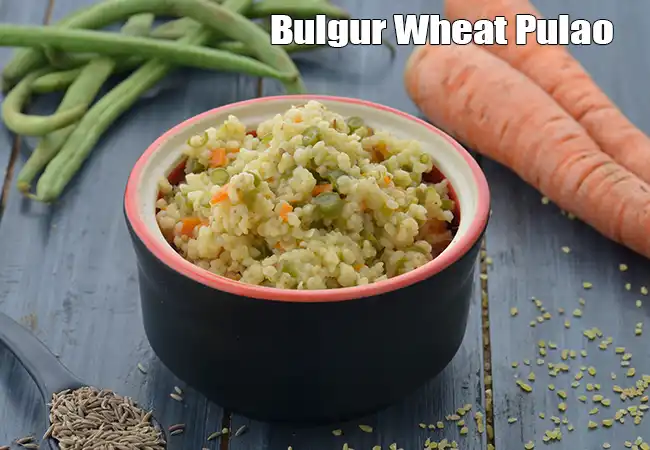
3. A more sensible option is to measure the amount of salt you add to food to ensure your intake is within the prescribed limit. See the low salt bulgar wheat pulao made with 1/8 tsp salt and zero rice.
low salt Bulgur Wheat Pulao recipe | Low-Sodium Bulgur Khichdi | Diabetic-Friendly Bulgur Upma |
4. Avoid foods with excessive preservatives and salt such as ready-to-use sauces, ketchups, pickles, chutneys, dressings, and soya sauce; processed foods like bread, cheese, chips, and papad; foods containing MSG (mono sodium glutamate); breakfast cereals; and canned foods.
5. Do read the labels to check for salt and sodium content of store-bought food. Do not get misled by labels that say ‘low sodium’ or ‘salt free’. Check the sodium content instead.
6. Use low sodium salt or salt substitutes like spices, herbs, and garlic to add flavour to your food.
Although these restrictions are highly individualistic the basic limits for sodium intake are as follows
• Mild restriction: 2,000-3,000 mg/ day (1 – 1½ tsp salt)
• Moderate restriction: 1,000-2,000 mg/ day (½ - 1 tsp salt)
• Severe restriction: Less than 1,000 mg/ day (¼ - ½ tsp salt)
You can use these values to calculate your sodium intake per day:
• 1/8 tsp salt = 290.62 mg sodium
• ¼ tsp salt = 581.25 mg sodium
• ½ tsp salt = 1, 625 mg sodium
• ¾ tsp salt = 1,743.75 mg sodium
• 1 tsp salt = 2, 325 mg sodium
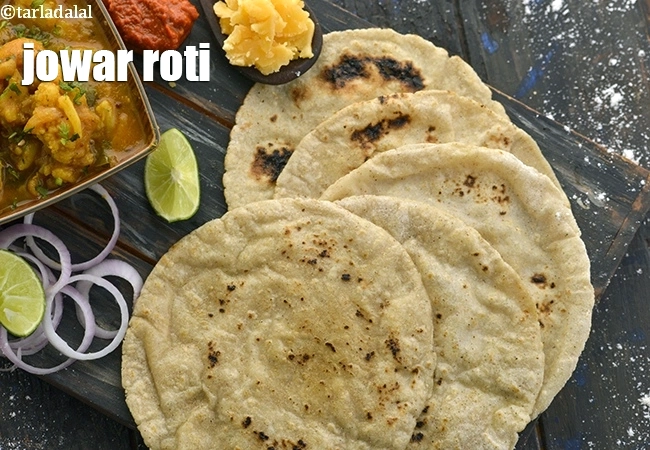
jowar roti recipe | jowar ki roti | jowar bhakri | healthy jowar roti | sorghum roti | Use just a pinch of salt, or omit it entirely, when making jowar roti to help lower blood pressure.
Jowar roti is excellent for lowering blood pressure because jowar (white millet) is naturally rich in potassium, magnesium, and fiber, all of which play a key role in maintaining healthy blood pressure levels. Potassium helps balance excess sodium in the body, reducing tension in blood vessel walls, while magnesium improves blood flow and prevents arterial stiffness. Jowar is also gluten-free and low on the glycemic index, making it gentle on digestion and supportive of heart health. When prepared with restricted salt, as in this recipe, jowar roti becomes even more BP-friendly. Its high fiber content helps reduce cholesterol, prevent blood pressure spikes, and promote steady energy levels. Eating freshly made jowar rotis regularly can be a powerful, natural way to support cardiovascular health and manage hypertension.
Do’s for Lower Blood Pressure
1. Lose weight if overweight.
2. Always cook food with measure amount of salt.
3. Restrict the intake of salt to ¼ tsp – 1½ tsp per day depending on the severity of high blood pressure.
4. Use low sodium substitutes like spices, herbs and garlic to add flavor to your food.
5. Make so called ‘fruits and vegetables’ (from the allowed list) your meal friends. They contain calcium and potassium, which help to regulate high blood pressure.
6. Add a dose of fibre to your diet by including a bowl of sprouts daily. This helps to remove excessive fat and cholesterol from our body.
7. Be physically active. Exercise for at least ½ an hour daily.
8. Have your medication in prescribed amounts daily.
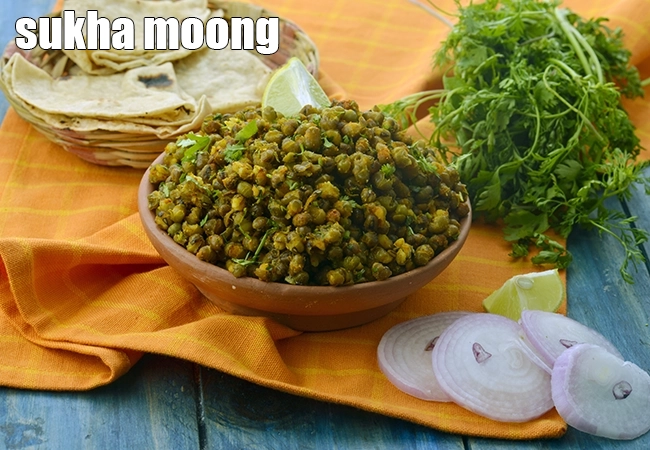
• Sukha Moong Recipe | Gujarati Dry Moong is a nutrient-dense, low-fat, high-protein dish that supports several health conditions while being light and delicious. Made from whole green gram (moong), it is rich in fiber and plant-based protein, which helps regulate blood sugar levels, making it ideal for diabetics. Its low glycemic index and high fiber content aid in weight management and hormonal balance, benefiting those with hypothyroidism. The use of minimal oil and heart-friendly spices like turmeric, cumin, and mustard seeds helps improve cholesterol levels and support heart health. Being naturally low in sodium, it’s also suitable for those managing high blood pressure. Moreover, moong is rich in folate, iron, and antioxidants, which are essential for healthy pregnancy and fetal development. Lightly spiced with turmeric, coriander, and lemon juice, this wholesome Gujarati dish nourishes the body while keeping it light, balanced, and full of flavor.
Add a dash of fibre to your diet
• Include more whole grains, pulses and sprouts in your daily diet to get your share of fibre.
• Try to avoid refined flour (maida) and its processed products like breads, biscuits, pasta, noodles etc. They are low in fibre and high in sodium and preservatives that can increase B.P.
• Eat fresh fruits and vegetables liberally to meet your daily fibre requirements. Apart from being low in sodium (refer to table below on what to avoid), they are also low in calories and high in fibre, and help to maintain weight. They contain vitamins and minerals like potassium and calcium, which help regulate blood pressure. Have this cabbage nachni koftas which is low in fat.
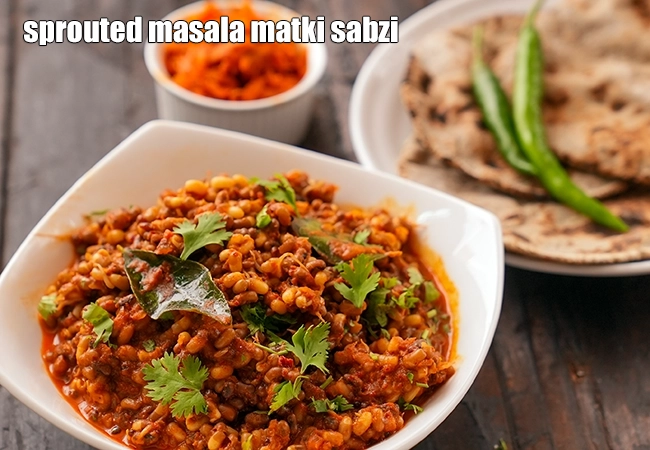
sprouted masala matki sabzi recipe | sprouted moth masala | matki sprouts curry | healthy snack |
Half serving of this recipe can be enjoyed by diabetics as well as heart patients. Not being high in sodium sprouted masala matki sabzi can be enjoyed by high blood pressure. Senior citizens should over boil the matki to make this matki sprouts curry easily chewable.
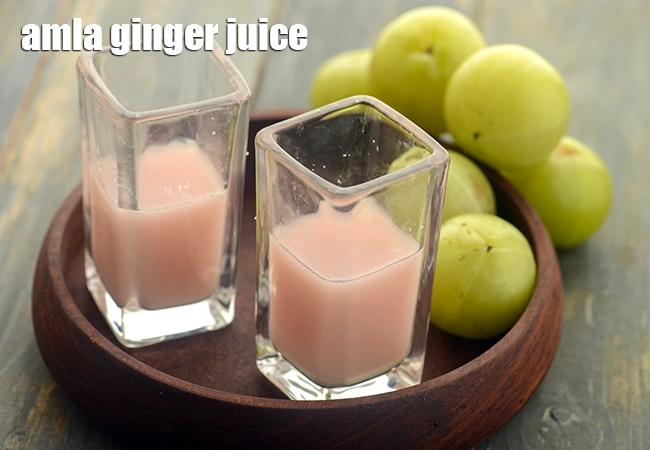
amla ginger juice, detox juice | amla juice for diabetes, heart, blood pressure, weight loss | how to make amla juice at home | how much amla juice to drink daily |
Regarding blood pressure, this juice is generally beneficial due to its high potassium content from amla, which helps regulate fluid balance and prevent blood pressure spikes. Ginger also helps relax blood vessels and improve blood flow. However, individuals with high blood pressure should reduce or skip the salt in the recipe, as excess sodium can raise BP levels. When made without salt, Amla Ginger Juice becomes a refreshing, BP-friendly tonic that supports detoxification and keeps blood vessels healthy. Overall, this powerful juice is a natural, healing drink that supports diabetes, heart health, weight loss, and blood pressure management when prepared correctly and consumed in moderation.
Keep a watchful eye on your sodium intake
People suffering from high B.P have to restrict their sodium intake depending on their blood pressure levels. Refer to the table of Ready Reckoner for Sodium Content of Foods given below for a list of foods to be avoided.
SALT is at the top of the list of sodium-rich offenders, and unfortunately we all find it quite difficult to do without this ingredient in our cooking. But, better late than never! While it is a good idea to cut back on the amount of sodium you and your family consume, keep in mind that a sudden switch from salt-laden foods to foods prepared with no salt will probably win few converts. Plan to cut back on sodium over the course of a few weeks or even months and remember that your goal is not to get your sodium intake to zero but to restrict it to suitable levels.
FAQs
1. Which Indian foods should be avoided in high blood pressure?
People with high blood pressure should avoid high-sodium, processed, and fatty foods. Common Indian foods to limit include bread, cheese, pizza, papad, pickle (achar), salted butter, ghee, ketchup, chips, and bakery products, as they can cause fluid retention and raise blood pressure levels.
2. Is spinach bad for high blood pressure?
Yes, spinach contains a relatively high amount of sodium, especially when consumed in large quantities or cooked. For people with hypertension, it is best to limit spinach intake and rotate it with low-sodium vegetables.
3. Can bread increase blood pressure?
Yes. White bread and packaged bread are high in salt (sodium) and made from refined flour (maida). Excess sodium increases water retention in the body, which can lead to higher blood pressure.
4. Are fruits like muskmelon harmful for blood pressure patients?
Muskmelon contains moderate sodium levels. While not strictly banned, people with high blood pressure should consume it in small portions and balance it with low-sodium fruits like apples, berries, or pears.
5. Is peanut butter safe for people with hypertension?
Store-bought peanut butter is usually high in sodium and preservatives, making it unsuitable for high blood pressure patients. If consumed, it should be homemade and unsalted, and eaten in very small quantities.
6. Why should processed foods be avoided in high blood pressure?
Processed foods contain hidden salt, trans fats, and preservatives, which increase sodium intake beyond safe limits. This can cause artery stiffness, fluid retention, and elevated blood pressure.
7. How much sodium is safe per day for high blood pressure patients?
Most health guidelines recommend limiting sodium intake to 1,500–2,000 mg per day for people with high blood pressure. Always check food labels and avoid packaged foods when possible.
8. Can lifestyle changes help lower blood pressure naturally?
Yes. Along with diet control, regular exercise, weight management, stress reduction, quitting smoking, and avoiding alcohol can significantly help in lowering blood pressure naturally.
Medical Disclaimer
The information provided on this website is for educational and informational purposes only and is not intended as a substitute for professional medical advice, diagnosis, or treatment.
High blood pressure (hypertension) and related health conditions can vary from person to person. Always consult a qualified doctor, dietitian, or healthcare professional before making any changes to your diet, lifestyle, or medication based on the information shared in this article.
Do not disregard or delay seeking medical advice because of something you have read on this website. The website and its authors do not assume responsibility for any health consequences resulting from the use of the information provided.

Related Articles
Follow US
Recipe Categories
- Vitamin B12 Cobalamin Rich Recipes 33 recipes
- Low Calorie, Weight Loss Indian Recipes 421 recipes
- Low Cholesterol Indian Recipes 309 recipes
- Healthy Indian Breakfast 373 recipes
- Indian Diabetic recipes 561 recipes
- Indian Pregnancy recipes 461 recipes
- Zero Oil Indian Recipes 133 recipes
- Iron Rich Indian recipes 268 recipes
- Healthy Indian Acidity recipes 137 recipes
- Healthy Sabzis 108 recipes
- Indian Healthy Veg Snack 276 recipes
- Healthy Heart Recipes 416 recipes
- Healthy Veg Indian Soups 74 recipes
- Calcium Rich Indian 373 recipes
- High Blood Pressure Indian Recipes 104 recipes
- Healthy Indian Salads Recipes 137 recipes
- Low Carb Indian Diet, recipes 163 recipes
- Hypothyroidism Diet 63 recipes
- Arthritis Diet 68 recipes
- High Protein Indian recipes 95 recipes
- Vitamin K Diet 42 recipes
- Fatty Liver Diet 39 recipes
- PCOS 136 recipes
- Gluten Free Veg Indian 197 recipes
- High Fiber 328 recipes
- Indian Cancer Patients 275 recipes
- Jaundice Diet 45 recipes
- Sprouts 61 recipes
- Typhoid 43 recipes
- Irritable Bowel Syndrome (IBS) 23 recipes
- Kidney Stone Diet 10 recipes
- Home Remedies 213 recipes
- Senior Citizen 195 recipes
- Healthy Indian Drinks and Juices 213 recipes
- Diet for Dialysis 10 recipes
- Gout Indian Recipes 17 recipes
- Potassium Rich 80 recipes
- Vegan 195 recipes
- Indian recipes to treat Vomiting 8 recipes
- Forever Young Diet, Anti Aging Indian Diet 255 recipes
- Antioxidant Rich Indian 445 recipes
- Vitamin B1 Rich Indian Foods, Recipes 101 recipes
- High in Omega 3 Fatty Acids 32 recipes
- Zinc Rich Foods 55 recipes
- Vitamin A Rich, Beta Carotene, Retinol 89 recipes
- Malaria Diet 19 recipes
- Magnesium Rich 94 recipes
- Healthy Indian Dinner 85 recipes
- Vitamin C Rich Indian recipes 118 recipes
- Low Veg Glycemic Index 86 recipes
- Lower Blood Pressure Salads 8 recipes
- Healthy Indian Lunch Recipes 29 recipes
- Lactation 25 recipes
- Vitamin E Rich 51 recipes
- Hyperthyroidism Diet 47 recipes
- Vitamin B3, Niacin Rich 41 recipes
- Post Surgery Diet 42 recipes
- Selenium 27 recipes
- Phosphorus Rich Indian Recipes, Foods 74 recipes
- Lower Blood Pressure Desserts Sweets 14 recipes
- Copper 15 recipes
- Foods Rich in Vitamin B2 Riboflavin 22 recipes
- Vitamin B6 Diet 36 recipes
- B Vitamins 231 recipes
- Vitamin B9 Rich Folate 50 recipes
- Marathoners, Endurance Athletes, Triathlete 225 recipes
- Manganese Diet 32 recipes
- Thalassemia 18 recipes
- Detox Water, Fruit Infused Water 42 recipes
- Lactose Free Dairy Free 22 recipes
- Omega 6 Fatty Acids 32 recipes
- Phytonutrients 51 recipes
- Chronic Kidney Disease Indian recipes 12 recipes
- Selenium1 0 recipes
- Quick Snacks / Quick Starters 385 recipes
- Quick Breakfast Indian 131 recipes
- Quick Sabzis 117 recipes
- Quick Rotis / Parathas 46 recipes
- Quick Indian Sweets 139 recipes
- Quick Stir-Fries 51 recipes
- Quick Vegetarian Indian Soups 72 recipes
- Quick Chutneys 67 recipes
- Quick Vegetarian Rice, khichdi Recipes 56 recipes
- Indian Snacks Under 10 Minutes (Quick Veg Recipes) 44 recipes
- Quick Indian Dips, Gravies & Sauces 105 recipes
- Quick Veg Indian Pizza 17 recipes
- Quick Veg Pasta 25 recipes
- Quick Pickles / Aachar 25 recipes
- Quick Dals / quick Kadhis 29 recipes
- Snacks under 5 minutes 33 recipes
- Quick Healthy Recipes 43 recipes
- Quick Pressure Cooker 46 recipes
- Quick Desserts 47 recipes
- Quick 3 Ingredients 63 recipes
- Quick Indian Desserts 20 recipes
- Quick 4 Ingredients 41 recipes
- Quick 5 Ingredients 42 recipes
- Kids Tiffin Box 319 recipes
- Recipes for Toddlers (1-3 Years) 32 recipes
- Sweet Recipes for Kids 456 recipes
- Recipes for Baby (10 to 12 Months) 17 recipes
- Quick Indian recipes for Kids 72 recipes
- Indian Breakfast Recipes for Kids 192 recipes
- Recipes for Weaning (8 to 9 months) 22 recipes
- Healthy Foods for Kids 196 recipes
- Snack Recipes for Kids 619 recipes
- Recipes Kids can make 36 recipes
- Kids After School 794 recipes
- Kids Jar Snacks 66 recipes
- Finger Foods for Babies, Toddlers and Kids 76 recipes
- Kids Weight Gain 43 recipes
- Kids Wraps and Rolls 23 recipes
- Kids Veg Pasta 27 recipes
- Kids Brain Boosting 68 recipes
- Protein rich food for kids 71 recipes
- Recipes for Weaning 15 recipes
- Kids Pizzas 30 recipes
- Babies, Toddler and Kids Iron Rich Foods 31 recipes
- High Fiber Foods for Kids 39 recipes
- Kids High Energy Indian Foods 103 recipes
- Kids Noodles 37 recipes
- Kids Calcium Rich Indian recipes 92 recipes
- Babies recipes, 6 to 18 months 34 recipes
- Kids Recipes for Increasing Immunity 10 recipes
- Kids Weight Loss 58 recipes
- Teething Recipes for Babies 10 recipes
- Cereals and Pulses for 8 to 9 months Baby 8 recipes
- Weaning foods at 7 months 12 recipes
- Indian Teen 315 recipes
- Starters / Snacks 2138 recipes
- Indian Breakfast Recipes 819 recipes
- Main Course Recipes 925 recipes
- Indian Salads 385 recipes
- Indian Desserts , Sweets 985 recipes
- Indian Soups 249 recipes
- Indian Beverages, Indian Drinks 483 recipes
- Indian Dinner 903 recipes
- Indian Dinner1 0 recipes
- Indian Lunch 829 recipes
- Side Dishes 449 recipes
- Indian Travel Food 433 recipes
- Indian Barbeque1 recipes 22 recipes
- Frozen Foods, Indian Freezer Recipes 67 recipes
- Whole Wheat Recipes 56 recipes
- Indian Comfort Foods 212 recipes
- Dinner Menus 56 recipes
- Easy Indian Veg 70 recipes
- Innovative Indian Recipes 27 recipes
- No Cook Indian 37 recipes
- Advanced Recipes 10 recipes
- Cakes with Eggs 13 recipes
- Microwave 229 recipes
- Oven 619 recipes
- Indian Steamer Recipes 102 recipes
- Kadai Veg 407 recipes
- Indian Barbeque Recipes 43 recipes
- Sizzler tray 15 recipes
- Mixer 566 recipes
- Pressure Cooker 315 recipes
- Tava 647 recipes
- Non-stick Pan 1393 recipes
- Indian Freezer recipes, meals 57 recipes
- Appe Mould 18 recipes
- Pan 223 recipes
- Non Stick Kadai Veg 203 recipes
- kadai Indian 150 recipes
- Refrigerator 176 recipes
- Waffle Indian recipes 6 recipes
- Handi 12 recipes
- Juicer and Hopper 65 recipes
- Grill 31 recipes
- Toaster 21 recipes
- Gas Toaster 8 recipes
- Healthy Indian steamed 73 recipes
- No Cooking Veg Indian 335 recipes
- Vegetarian baked Indian recipes 380 recipes
- Boiled Indian recipes 129 recipes
- Deep Fry 260 recipes
- Indian Tawa 265 recipes
- Shallow Fry Indian 25 recipes
- Microwave1 172 recipes
- Saute 273 recipes
- Indian Pressure Cooker 171 recipes
- Stir-fry 101 recipes
- Roasting 0 recipes